


Our digital habits often lead to unexpected realizations about our mental engagement. One evening, a candid conversation with a spouse brought to light a severe case of a fragmented attention span, exacerbated by incessant phone usage. Despite initial defensiveness, the realization dawned that constant digital connection was hindering the ability to focus on shared experiences, such as watching television.
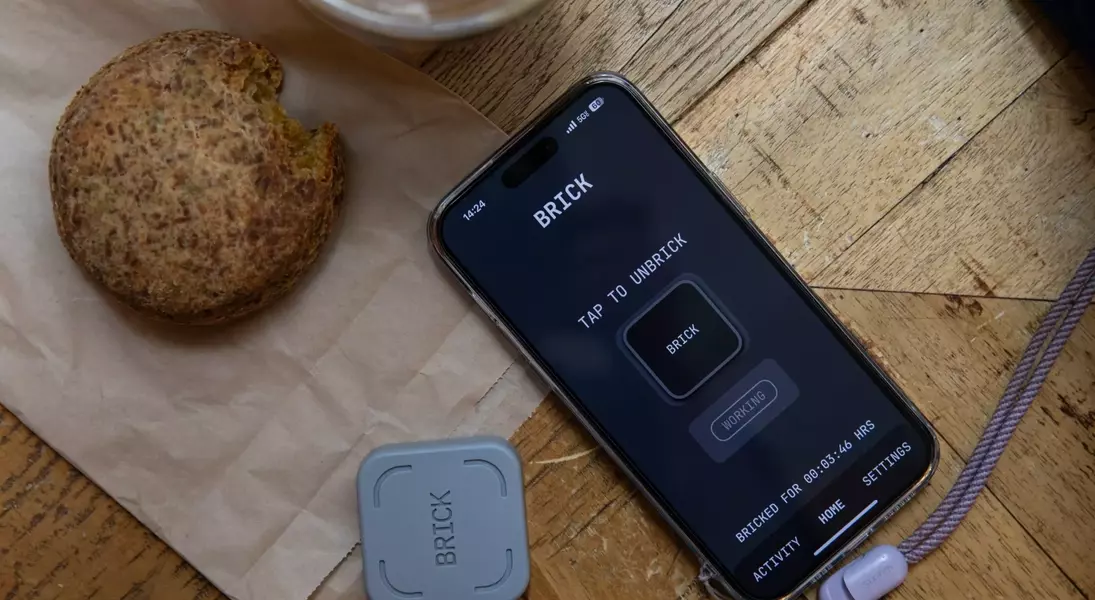
In response, an unusual solution was proposed: an application named “Brick.” This innovative tool, unlike typical screen-time management apps, takes a more drastic approach to curbing phone distractions. It enables users to block specific applications and notifications by tapping their device against a physical key, a small NFC-enabled square. The critical feature is that the key is mandatory for 'unbricking' the phone; losing it means resorting to one of only five emergency override codes, or, in a worst-case scenario, a factory reset. A “strict mode” further prevents bypassing restrictions by reinstalling blocked apps. Initially, the strict nature of the app and the fear of losing the key made it difficult to fully commit, as the temptation to instantly revert to connected mode often prevailed. This initial stumble, however, offered valuable insight into the ingrained nature of the omnipresent digital habit.
Reflecting on these experiences, it became clear that a personal struggle with constant connectivity stemmed from various responsibilities, including caregiving and professional demands that necessitated being perpetually reachable. This continuous state of alertness had eroded the ability to engage deeply with activities, turning formerly cherished pastimes like reading and watching films into anxiety-inducing challenges. The turning point arrived unexpectedly during a theater performance, where the enforced digital disconnect allowed for a renewed appreciation for immersion and surprise. This prompted a strategic shift in using the “Brick” app, focusing its restrictive power solely on TV-watching sessions. By configuring the app to permit only essential communications and adopting a simple memo pad for immediate curiosities, a subtle yet profound change began to unfold. While the journey to a completely restored attention span is ongoing, particularly with the urge to identify every cameo in re-runs, these small, intentional adjustments have significantly enhanced the enjoyment of current programming and facilitated a return to more consistent reading habits.
This personal account highlights that achieving a harmonious balance between digital connectivity and presence is a continuous process, and sometimes, less is indeed more. Embracing small, manageable changes can lead to surprising improvements in overall well-being and engagement with the world around us. It is a reminder that personal growth often starts with acknowledging imperfections and taking incremental steps towards positive change.
