
Apple's iPad is rapidly transforming, evolving from a simple tablet into a robust computing device that increasingly mirrors the capabilities of traditional laptops. This strategic shift is evident in the integration of powerful processors, the expansion of screen sizes, and the introduction of advanced multitasking features. As iPads become more versatile and capable, they present a compelling, often more affordable, alternative to Apple's own MacBook lineup, challenging the long-held distinctions between tablets and portable computers.
This evolution redefines the portable computing landscape, offering consumers greater flexibility and value. The continuous advancement of iPad hardware and software has equipped these devices with the performance and functionality needed to handle demanding tasks, bridging the gap between mobile convenience and desktop-level productivity. Consequently, the decision between an iPad and a MacBook is no longer a clear-cut choice, but rather a consideration of specific needs and budget, as both platforms now offer powerful solutions for a wide range of users.
The Converging Capabilities of iPad and MacBook
Apple's latest iPad models are demonstrating performance levels previously exclusive to laptops, thanks to the incorporation of advanced processors. The introduction of the M4 chip in the iPad Pro, even before its appearance in MacBooks, signaled Apple's intention to elevate its tablet's processing prowess. This strategic move, coupled with the inclusion of M3 chips in the iPad Air, means that a significant portion of the iPad range now boasts computational power on par with or exceeding many conventional laptops. This advanced hardware, combined with features like multi-window multitasking, enables iPads to handle complex applications and workflows that were once the domain of desktops.
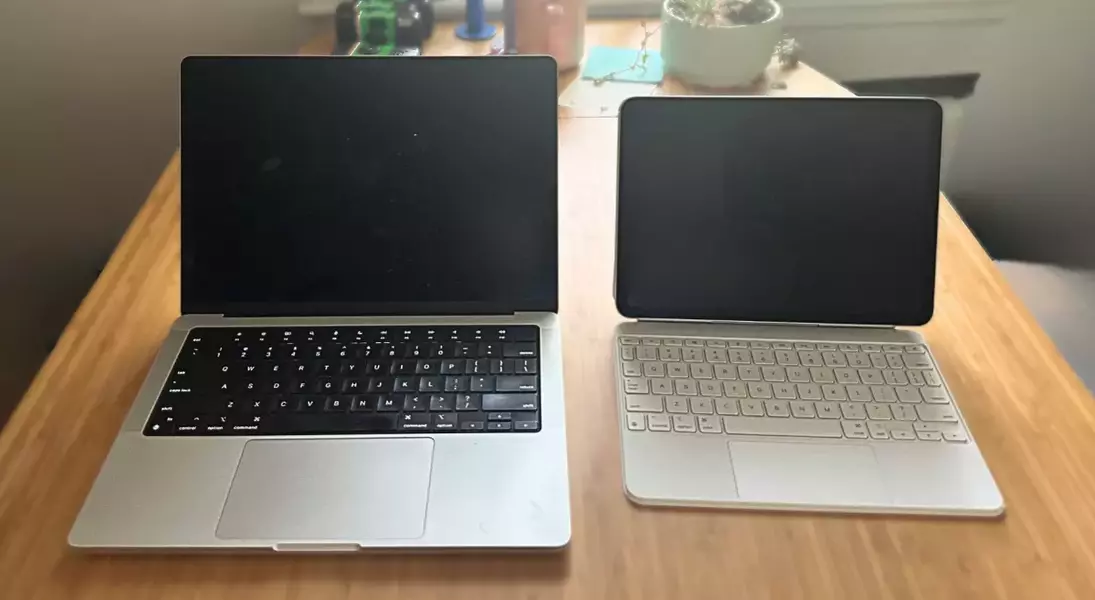
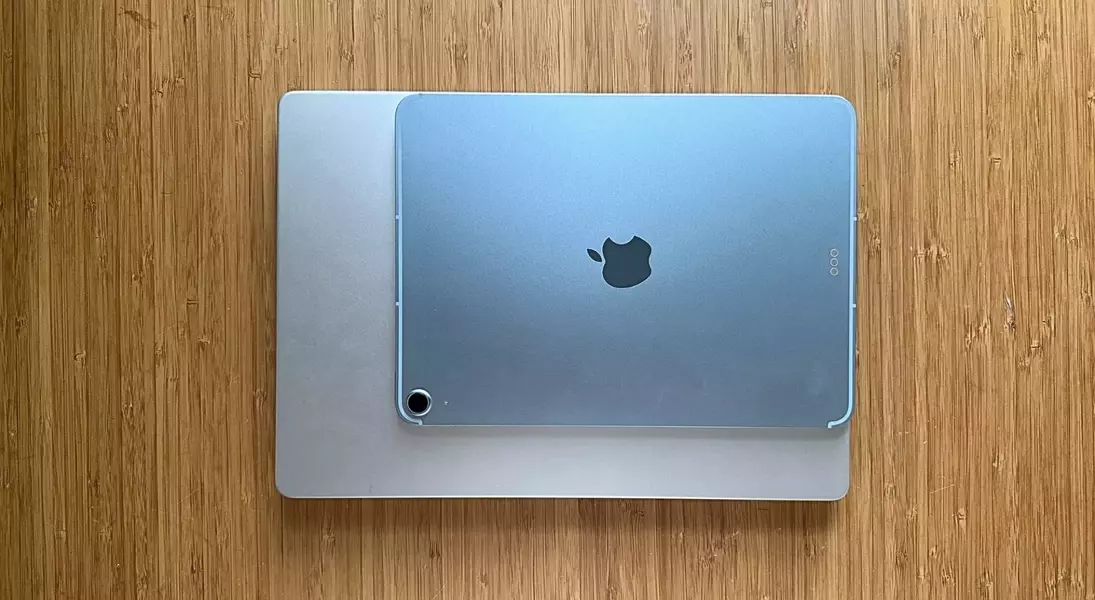
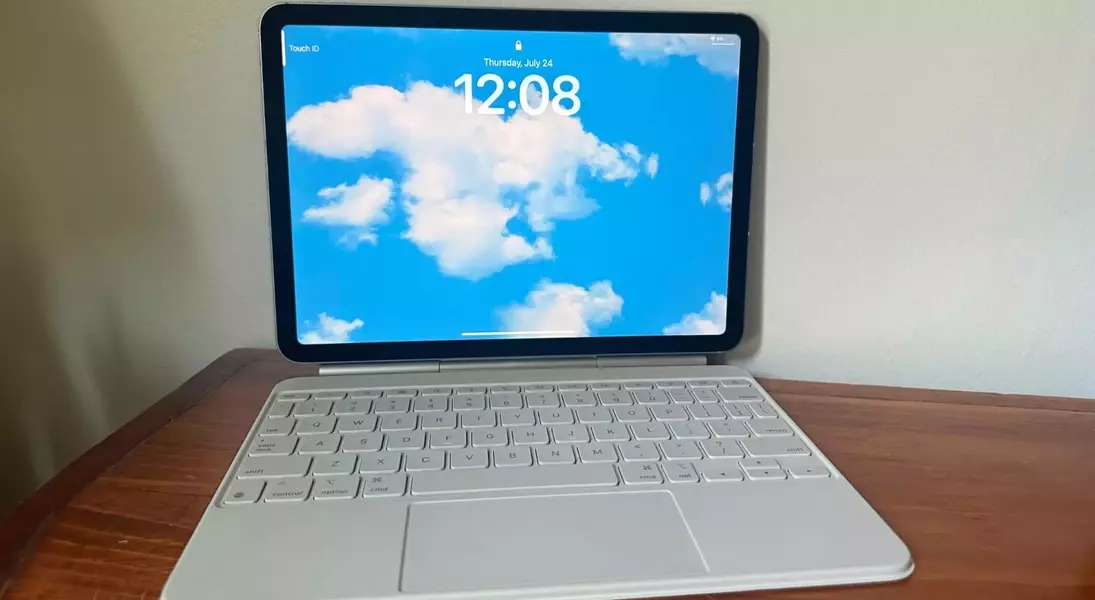
Beyond raw power, the physical attributes of iPads are also converging with those of MacBooks. Screen sizes are expanding, with larger iPad Pro and Air models offering dimensions comparable to smaller MacBooks, enhancing usability for productivity tasks. Furthermore, the development of accessories like the Magic Keyboard transforms the iPad into a highly functional workstation, complete with a trackpad, effectively mimicking a laptop's form factor. This blend of powerful internal components, expanded display options, and versatile peripherals positions the iPad as a serious contender in the portable computing market, capable of fulfilling a broad spectrum of user needs.
Value and Versatility in Apple's Tablet Ecosystem
One of the most significant advantages of choosing an iPad over a MacBook lies in its competitive pricing, offering a more accessible entry point into Apple's powerful computing ecosystem. The base iPad models are considerably more affordable than the entry-level MacBooks, providing a cost-effective solution for users seeking robust performance without the premium price tag of a full-fledged laptop. Even when upgrading to a more advanced iPad Air with an M3 chip and adding a Magic Keyboard, the total cost often remains less than that of a comparable MacBook Air, making it an attractive option for budget-conscious consumers.
The iPad's inherent versatility further enhances its value proposition. Its touch-first interface and compatibility with the Apple Pencil make it an ideal device for creative professionals, students, and anyone who benefits from a highly interactive and portable experience. While MacBooks still offer a broader array of ports and a traditional desktop operating system, the iPad's growing software capabilities, including sophisticated file management and multi-app viewing, ensure it can effectively serve as a primary computing device for many. This combination of powerful performance, adaptable functionality, and a more accessible price point positions the iPad as a highly compelling and practical choice in the modern computing landscape.
