Real Madrid's historical trajectory reveals a fascinating preference for individual talent over cohesive tactical systems. From the legendary era of Santiago Bernabeu signing global footballing icons to Florentino Perez's 'Galacticos' strategy, the club's identity has been inextricably linked to its superstar players. This deep-seated philosophy has often placed coaches in a unique position, requiring them to harmonise exceptional individuals rather than impose rigid strategic frameworks. While this approach has yielded immense success, particularly in European competitions, it also creates an inherent tension, as demonstrated by the experiences of various managers who have attempted to steer the club towards more collective and tactically defined play. The ongoing evolution of football, which increasingly emphasizes strategic depth, brings this long-standing tradition into sharp focus, especially with the recent appointment of Xabi Alonso, who embodies a more modern, tactical coaching ethos.
This distinct club culture has shaped the tenure of numerous coaches, some of whom have found success by embracing the star-centric model, while others, attempting to deviate, have faced significant challenges. The club's leadership, driven by a belief in the enduring power of marquee players, has historically held significant sway over sporting decisions, often limiting the autonomy of the coaching staff. This environment necessitates a delicate balance for any manager, where diplomacy and an understanding of the club's unique dynamics become as crucial as tactical acumen. As the game continues to evolve, Real Madrid stands at a crossroads, navigating its rich heritage of individual brilliance with the contemporary demands for integrated team play and sophisticated strategic designs.
The Enduring Influence of Individual Brilliance
Real Madrid's deeply ingrained ethos prioritizes the exceptional capabilities of individual players above elaborate tactical schemas. This philosophy, rooted in the club's formative years under Santiago Bernabeu, has been consistently upheld by subsequent leadership, including current president Florentino Perez. This tradition suggests that the club's identity is intrinsically tied to its ability to attract and deploy the world's most gifted footballers, with coaches often serving as facilitators rather than primary architects of play. This unique approach contrasts sharply with many contemporary footballing models where a manager's tactical vision is paramount, often requiring coaches at the Bernabeu to adapt their methods to complement the existing constellation of stars.
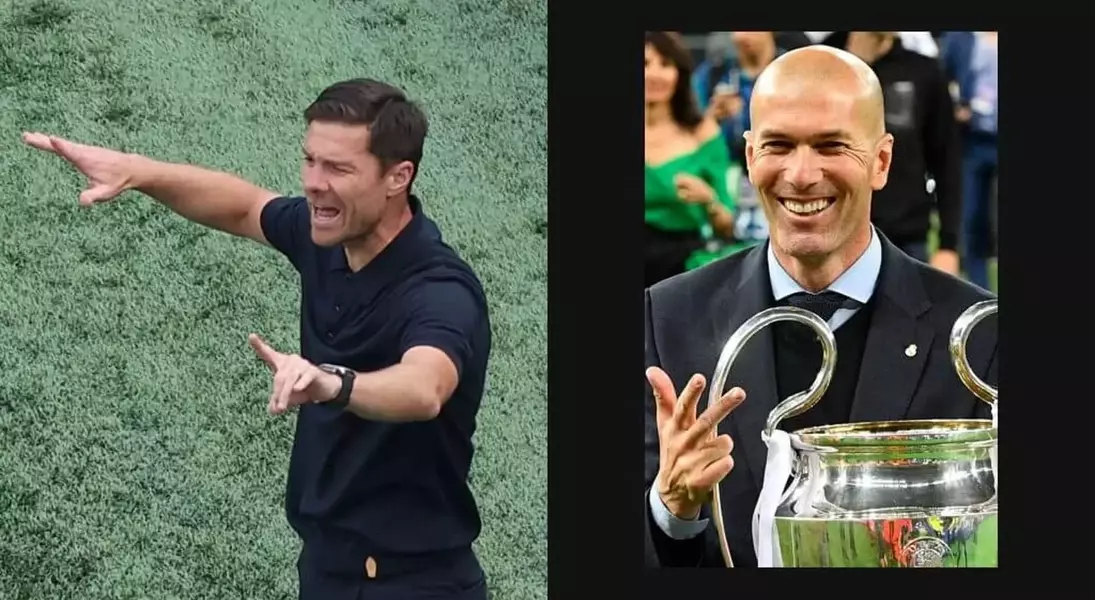
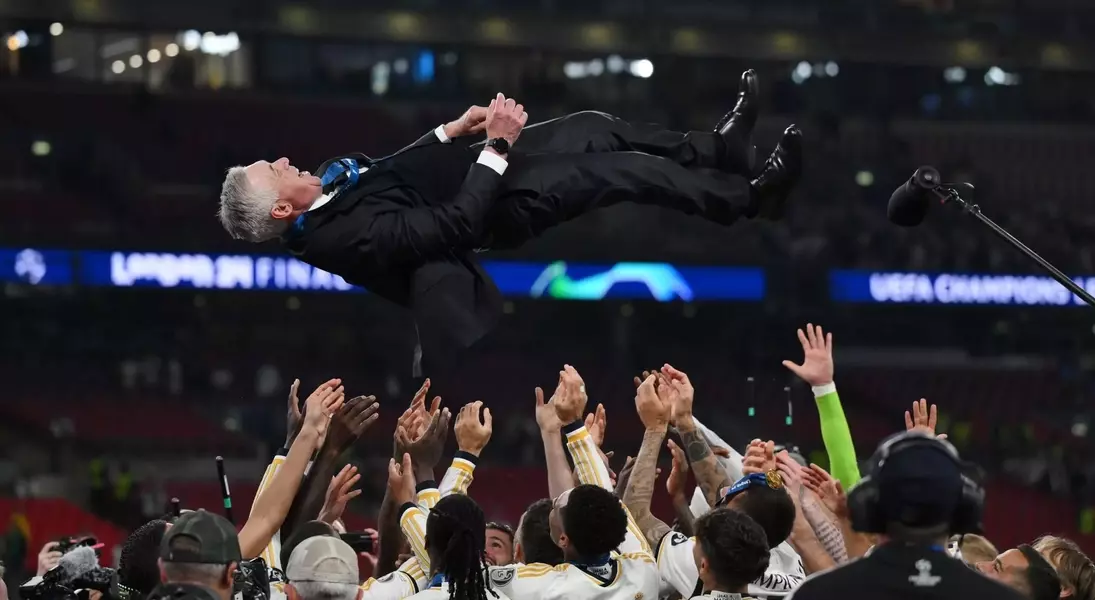
The club's historical success, particularly in prestigious European competitions, often points to the effectiveness of this star-driven strategy. Managers like Vicente del Bosque, Zinedine Zidane, and Carlo Ancelotti, celebrated for their ability to manage strong personalities and foster an environment where top talents can flourish, have exemplified this approach. Their tenures suggest that at Real Madrid, the chemistry among elite players and their collective competitive drive can often supersede intricate tactical instructions. This dynamic places a significant emphasis on interpersonal management and creating a harmonious dressing room, where the collective performance emerges from the synergy of individual brilliance rather than a rigid, pre-defined tactical blueprint. The club's leadership, often exercising considerable influence over sporting decisions, views coaches as temporary figures compared to the long-term project of building a team around marquee players.
Tactical Innovations and Their Reception
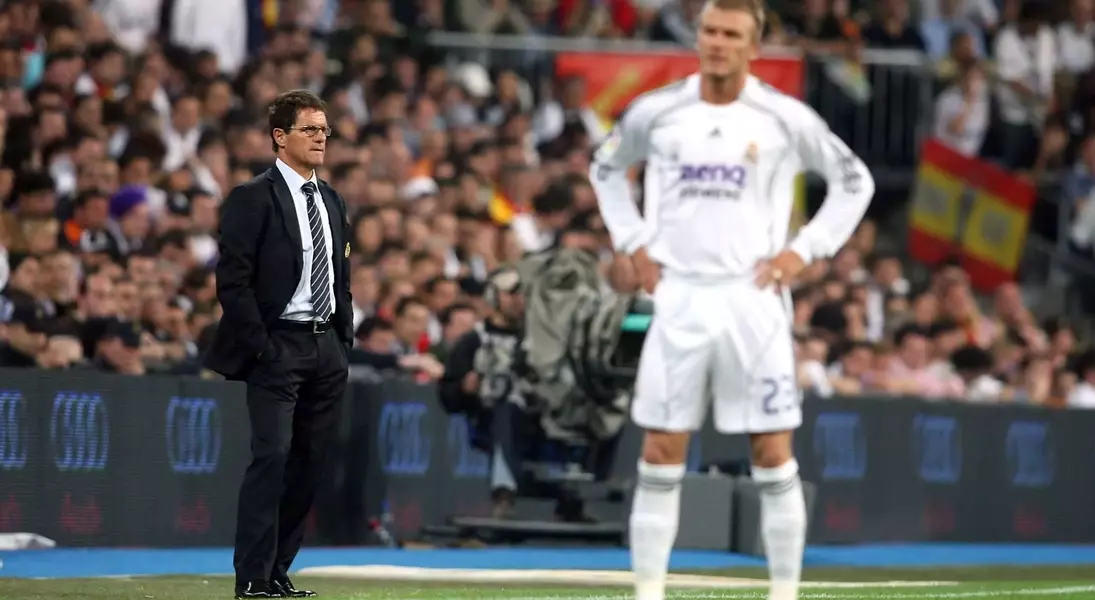
Despite Real Madrid's historical inclination towards individual brilliance, there have been periods where coaches have attempted to introduce more structured, collective tactical approaches. These attempts, though sometimes successful in the short term, have often highlighted the inherent tension between the club's traditional philosophy and a manager's desire for tactical control. Fabio Capello's second spell in 2006-07 serves as a notable example; his rigorous tactical discipline, aimed at fostering a more cohesive unit, led to a league title but also a swift departure, underscoring the club's preference for a style that transcends mere results.
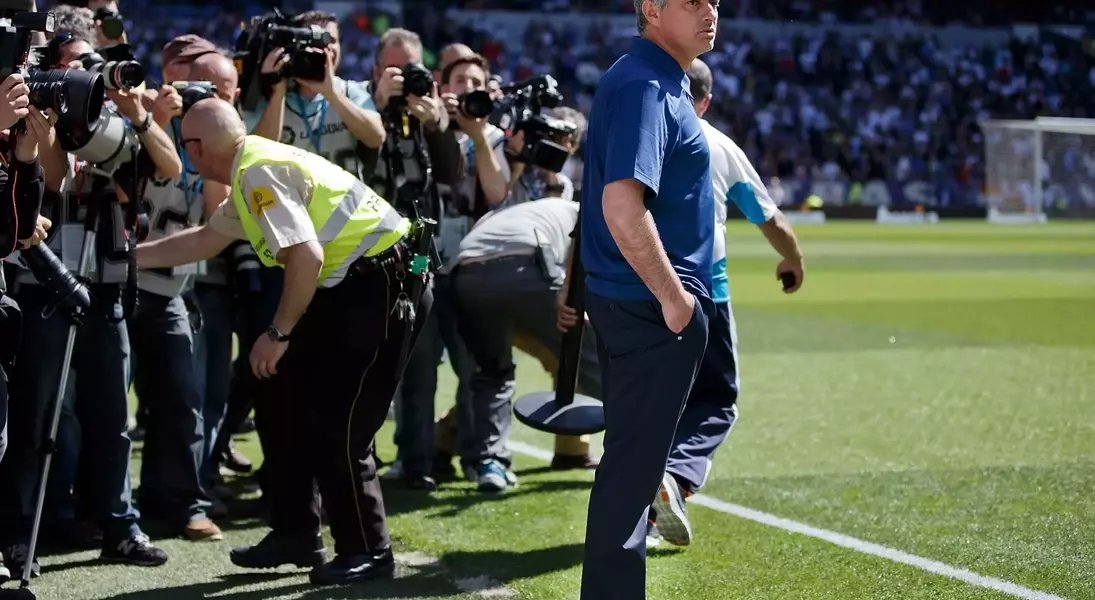
The challenges faced by managers like Jose Mourinho and Rafael Benitez further illustrate the difficulties of imposing a highly prescriptive tactical model on a squad accustomed to greater individual freedom. Mourinho's demanding methods, while initially yielding success, ultimately led to dressing room divisions, while Benitez's granular tactical instructions reportedly met with player resistance. These instances underscore a recurrent theme: coaches at Real Madrid must navigate a delicate balance between implementing their vision and accommodating the established influence and expectations of the star players. The arrival of Xabi Alonso signals a renewed push for tactical innovation, emphasizing collective effort and defensive responsibility, even among the most prominent forwards. Whether this shift will be sustainable and lead to long-term success will test the enduring power of the club's star-centric culture against the demands of modern football's evolving tactical landscape.
