



The recent Club World Cup, hailed as a monumental triumph by FIFA president Gianni Infantino, has provided invaluable lessons and revealed significant challenges that organizers must address in preparation for the highly anticipated 2026 World Cup. While the tournament showcased impressive attendance figures, particularly for the final matches, it also brought to light critical issues regarding environmental conditions, international visitor logistics, and ticketing strategies. These insights offer a roadmap for refining plans to ensure the 2026 global football championship is not only a commercial success but also a comfortable and accessible experience for players and fans alike across the United States, Canada, and Mexico.
Navigating Challenges: Weather, Attendance, and Fan Experience for the 2026 World Cup
The recent Club World Cup in the summer of 2025, particularly in North America, presented a series of formidable challenges, offering invaluable insights for the gargantuan 2026 World Cup. FIFA president Gianni Infantino, after witnessing Chelsea's triumph over Paris Saint-Germain at MetLife Stadium in New Jersey, lauded the Club World Cup's \"huge success,\" boasting a total attendance of 2.49 million and a vibrant atmosphere. However, beneath the surface of fanfare and impressive crowds, critical issues emerged that demand immediate attention.
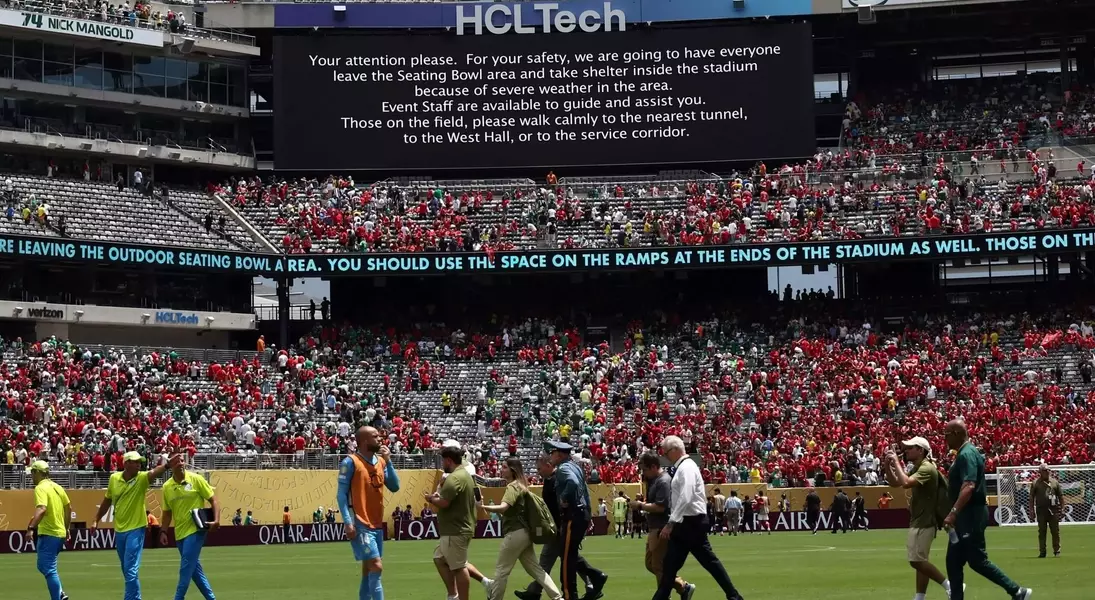
One of the most pressing concerns was the unforgiving summer climate. Players, including Real Madrid's Trent Alexander-Arnold and Chelsea's Enzo Fernandez, openly voiced their struggles with extreme heat during afternoon matches in Miami, Florida, and Charlotte, North Carolina. They described conditions as \"very dangerous\" and detrimental to game quality, with players experiencing overheating and difficulty maintaining peak performance. Despite FIFA's Arsene Wenger acknowledging the problem and mentioning the potential use of more covered stadiums in 2026, concerns linger, especially for open-air venues like MetLife, which is slated to host the final and experienced lightning storms during the Club World Cup. The scheduling of multiple matches per day also poses a dilemma for adjusting kick-off times to cooler hours, potentially impacting broadcasting revenues.
Furthermore, weather disruptions led to significant match delays. Six games were halted, with stoppages ranging from 30 minutes to an astonishing two hours. Chelsea's round-of-16 encounter against Benfica stretched to over four and a half hours, prompting coach Enzo Maresca to label the situation a \"joke.\" Current regulations mandate play cessation if lightning is detected within a 10-mile radius, and resumption only after a 30-minute clear period. This underscores the need for FIFA to reassess its protocols and potentially explore new technologies or adapt rules to minimize such disruptions in the future.
The playing surfaces also drew widespread criticism. Coaches and players, including Dortmund's Niko Kovac and Chelsea captain Reece James, expressed dissatisfaction with the temporary grass pitches laid over artificial turf, particularly at MetLife Stadium. They noted the pitches were too short, dry, and sticky, hindering high-speed football and increasing the risk of injury due to added strain on joints and muscles. This highlighted a critical need for significantly improved pitch quality for the World Cup, matching the standards expected at Europe's top leagues.
Beyond the field, logistical hurdles and ticket pricing strategies raised eyebrows. While Infantino ambitiously predicted millions of international visitors and billions in economic impact, anecdotal evidence from the Club World Cup suggested a lower-than-anticipated influx of foreign fans. This was partly attributed to stringent U.S. visa processes, with lengthy wait times for appointments in countries like Colombia (15 months), Ecuador (10 months), and Costa Rica (9.5 months). Despite FIFA's assurances of welcome, the U.S. State Department's strict vetting, exacerbated by travel bans from certain nations, could deter a significant portion of potential international attendees for the 2026 tournament. Host cities, like Philadelphia, are aiming for a substantial international presence to maximize economic benefits, underscoring the urgency of addressing visa accessibility.
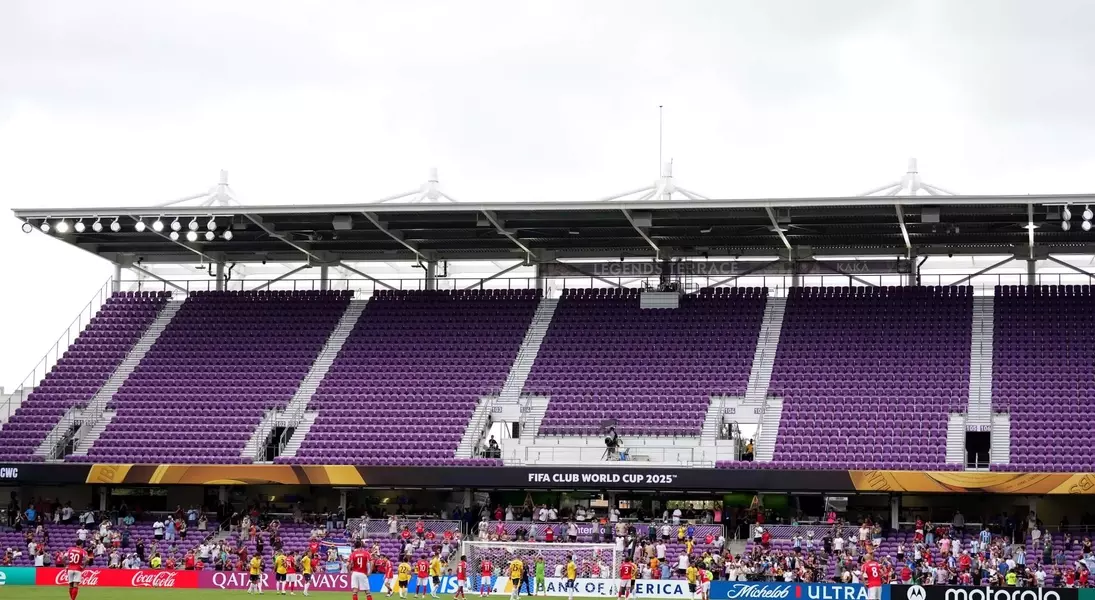
FIFA's dynamic ticket pricing model also proved problematic for the Club World Cup. Initial high prices, such as $349 for the opening match, resulted in numerous empty seats. This forced FIFA to drastically reduce prices, at times offering tickets for as little as $13.40, a stark contrast to an earlier price of $473.90 for the same match. This fluctuation, and the subsequent offers of free tickets to students and volunteers, indicated a misjudgment of the U.S. market's price sensitivity and the need for a more nuanced approach for the World Cup, despite FIFA's projected $13 billion revenue target. The absence of comprehensive fan festivals during the Club World Cup further limited engagement, an area host cities like New Jersey plan to rectify for 2026 with large-scale events.
Finally, the tournament incorporated American-style entertainment, including individual player walk-ons, elaborate pre-game ceremonies, and extended half-time shows, costing over $10 million. While some players found it unique, others, like Porto's coach Martin Anselmi, found it "slow" and "pointless," arguing it disrupted player preparation. The high-profile presence of former U.S. President Donald Trump, actively participating in ceremonies and even taking an interview, highlighted the political dimension of hosting such an event and his personal investment in its success, especially with FIFA establishing offices in Trump Tower.
In conclusion, the Club World Cup served as a critical learning experience. The 2026 World Cup organizers must proactively address the environmental challenges, refine the ticketing strategy to ensure accessibility and full stadiums, and collaborate closely with government agencies to streamline visa processes for international fans. Balancing American entertainment spectacle with traditional football expectations will also be key to delivering a universally appealing and seamlessly executed World Cup.
As a journalist observing these developments, it's clear that the upcoming 2026 World Cup faces a delicate balancing act. The Club World Cup provided a candid glimpse into the complexities of staging a major international football tournament across a vast continent with diverse climatic conditions and unique cultural expectations. The challenges related to extreme weather, particularly its impact on player welfare and game flow, underscore the paramount importance of prioritizing athlete health and competition integrity over broadcasting schedules. Furthermore, the logistical hurdles for international spectators, specifically around visa accessibility and ticket affordability, highlight a potential disconnect between FIFA's ambitious revenue projections and the practical realities for global fans. For the World Cup to truly be a celebration of international football, it must be accessible and enjoyable for everyone, not just those within a specific geographic or economic bracket. The insights gained from the Club World Cup should serve as a powerful impetus for FIFA and host nations to rethink certain aspects, ensuring a more inclusive, player-friendly, and fan-centric event in 2026.
