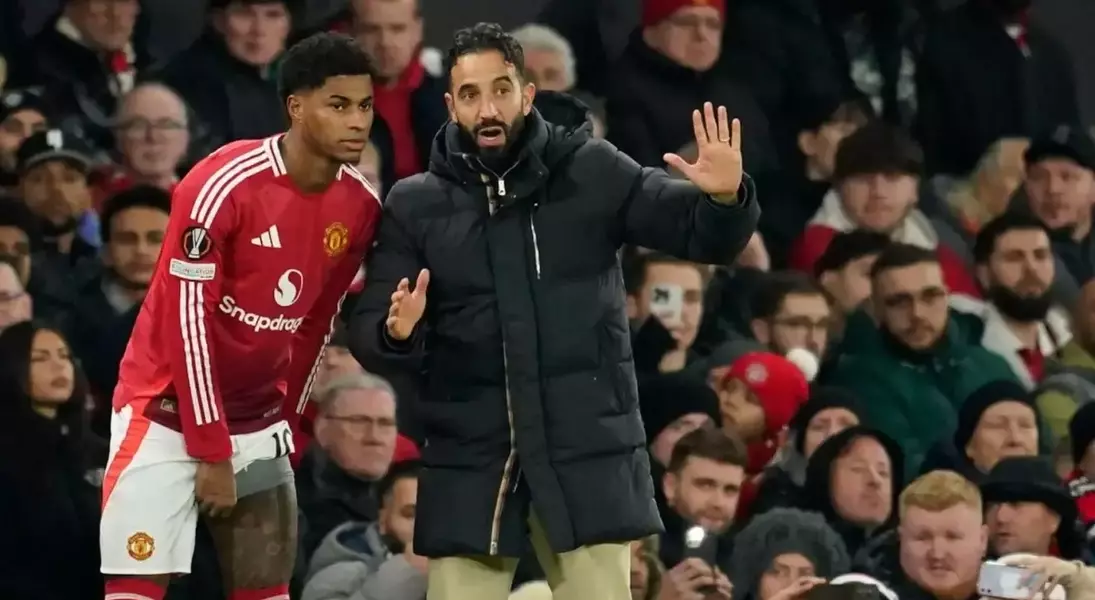
The ongoing saga surrounding Marcus Rashford's future at Manchester United has reached a critical juncture, with recent developments suggesting a dramatic turn. This narrative, centered on the star forward's desire to leave and the club's stance, encapsulates the complex dynamics of modern football transfers. The player's camp is reportedly exploring extreme measures, including legal avenues, to secure his departure, highlighting the deepening chasm between Rashford and his boyhood club. This intricate situation underscores the high stakes involved for all parties as the summer transfer window approaches.
Rashford's Rocky Road to Barcelona Amidst Old Trafford Turmoil
The unfolding drama surrounding Marcus Rashford's future at Manchester United continues to captivate the football world. For months, whispers of his impending departure have circulated, fueled by a noticeable dip in his performance and a strained relationship with the new leadership at Old Trafford. Insiders suggest that Rashford's decline began shortly after the arrival of manager Ruben Amorim. Despite initial hopes that Amorim's tenure would rejuvenate the talented forward, a series of disagreements and perceived attitude issues led to a significant estrangement. A pivotal moment occurred in December when Rashford was conspicuously absent from the squad for the Manchester derby, further cementing his desire for a fresh start.
As the January transfer window opened, Rashford made his intentions clear: he wished to leave the club he had called home for so long. However, a combination of his recent form struggles and a substantial salary proved to be significant hurdles, limiting his options. Nevertheless, Aston Villa seized an opportunity, bringing Rashford in on a loan deal. This move proved to be mutually beneficial, as Rashford rediscovered his scoring touch, netting four goals and providing six assists in 17 appearances at Villa Park. Despite this resurgence, Villa's failure to secure Champions League qualification ultimately deterred Rashford from making his move permanent.
With the summer approaching, the forward's long-held dream of playing for Barcelona appears increasingly within reach. His improved form has reignited interest from the Catalan giants, who are actively seeking a winger after failing to acquire targets like Nico Williams and Luis Diaz. Rashford has recently been observed training separately from the main Manchester United squad, a clear indication of his anticipation for an imminent exit. A recent report from the Spanish publication 'Sport,' cited by 'Sport Witness,' illuminates the escalating tension between Rashford's representatives and Manchester United's hierarchy. The article claims that the player's team is contemplating legal action to terminate his contract while ensuring he receives his full salary until 2028, arguing that his contractual rights might be violated by the club's current arrangements for his training. Despite Manchester United's insistence on adhering to regulations, the situation remains fraught with uncertainty. It is also believed that Rashford is increasingly confident of securing a loan move this summer, as other clubs, including Barcelona, are currently reluctant to meet Manchester United's hefty financial demands for a permanent transfer.
This prolonged transfer saga underscores the intricate challenges faced by players and clubs in navigating contractual obligations and personal ambitions within the high-stakes environment of professional football. The eventual outcome for Marcus Rashford will undoubtedly serve as a significant case study in the ever-evolving landscape of player transfers.
From a journalist's perspective, this situation offers a compelling glimpse into the delicate balance of power between football clubs and their star players. The potential legal battle over contract termination, especially with the demand for full salary, sets a precedent that could significantly impact future player-club relations. It highlights the growing assertiveness of player entourages in an era where player welfare and contractual nuances are under intense scrutiny. Furthermore, Rashford's journey from a fan favorite to a player seeking an exit, marked by periods of fluctuating form and reported attitudinal issues, serves as a poignant reminder of the immense pressures and public scrutiny athletes face. This narrative emphasizes the critical importance of a cohesive and supportive environment for players to thrive, and how its absence can lead to such dramatic impasses. The outcome of this transfer saga will not only shape the future of Marcus Rashford but also send ripples through the broader football transfer market, influencing how similar disputes are handled moving forward.
