

The contemporary football landscape is abuzz with intense transfer sagas, epitomized by Liverpool's audacious pursuit of Alexander Isak from Newcastle United. This scenario, reminiscent of a high-stakes poker game, underscores the intricate financial and strategic maneuvers clubs undertake to secure top talent. Beyond the gripping Isak narrative, the market sees Barcelona's strong interest in Luis Diaz, reflecting a broader trend of elite clubs seeking versatile attacking options. Amidst these player movements, various clubs are navigating their own unique challenges, from fan protests against league decisions to leveraging player brands for global outreach, showcasing the multi-faceted nature of modern football operations.
Liverpool's determined bid for Alexander Isak, estimated at a staggering £120 million, signals a potential record-breaking transfer in British football. This aggressive move comes shortly after their substantial £100 million acquisition of Florian Wirtz, indicating a clear intent to reinforce their squad significantly. Newcastle United, however, maintains a firm stance that Isak is not for sale, prioritizing their own strategic objectives, which include securing Hugo Ekitike from Eintracht Frankfurt. The intertwining interests create a complex negotiation, where Liverpool's simultaneous interest in Ekitike serves as leverage, potentially forcing Newcastle's hand. This delicate balance of power illustrates the intricate dance between clubs, where every move is calculated to gain an advantage in the fiercely competitive transfer window.
Adding another layer to this dynamic transfer period, Liverpool is also grappling with the future of Luis Diaz. Despite rejecting a £58.6 million offer from Bayern Munich, the Colombian forward is reportedly keen on a new challenge away from Anfield. Barcelona has emerged as a primary suitor for Diaz, viewing him as a crucial target, especially after their previous pursuit of Nico Williams fell through. Diaz's versatility, capable of playing both centrally and on the wing, aligns perfectly with Barcelona's strategic vision under Hansi Flick. The valuation of Diaz is influenced by other high-profile transfer attempts, such as Al Hilal's £80 million bid for Bruno Fernandes, highlighting the fluid and often inflated nature of player prices in today's market. The outcomes of these negotiations will undoubtedly reshape the attacking lineups of several European giants.
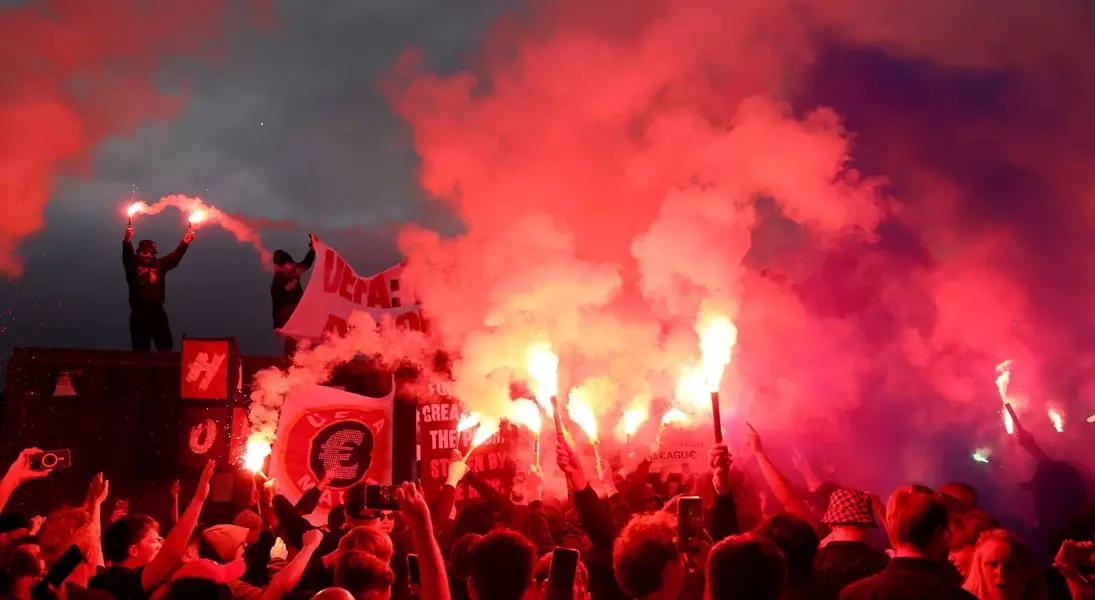
Beyond the player transfers, the football world witnessed several notable occurrences. Crystal Palace supporters demonstrated against their club's expulsion from the Europa League, underscoring the passion and influence of fan bases. Elsewhere, young talents like Ethan Nwaneri are on the cusp of securing new contracts with Arsenal, signaling investment in future stars. In terms of club ownership, Brentford saw a 10 percent stake acquired by investors, though Matthew Benham retains majority control. These developments, from player movements and club investments to fan activism, collectively paint a comprehensive picture of the continuous evolution and various driving forces within professional football.
The current transfer window exemplifies the strategic depth and financial power at play in top-tier football. Teams like Liverpool are engaging in unprecedented spending, not only to acquire talent but also to safeguard their competitive future. The delicate art of negotiation, coupled with the unpredictable desires of players, shapes the landscape of upcoming seasons. This period of intense activity, marked by both triumphs and challenges for clubs and players alike, ultimately sets the stage for the highly anticipated football calendar ahead.
