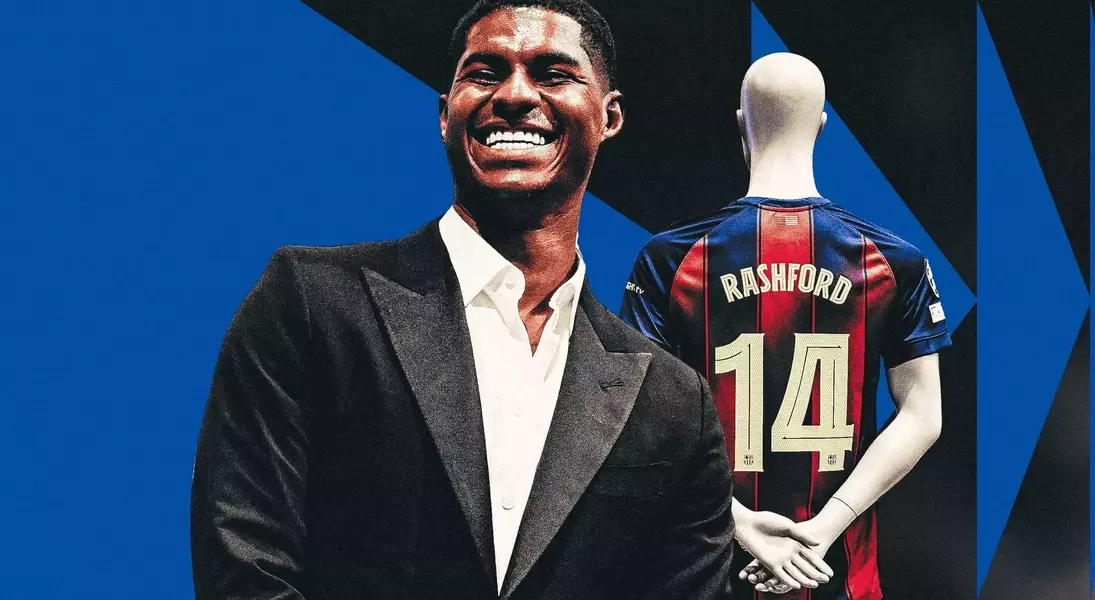
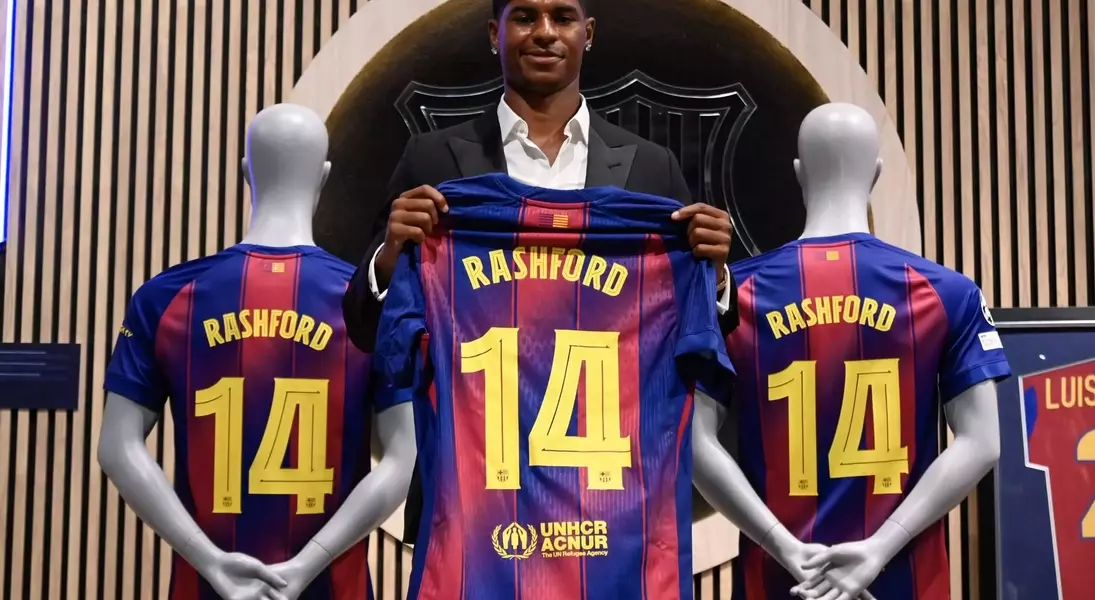
Marcus Rashford's highly anticipated transition to Barcelona represents a pivotal moment in his career, driven by an unyielding desire for a fresh start. This strategic loan move, featuring a substantial buy option, underscores Barcelona's pursuit of offensive reinforcement under Hansi Flick, while also providing Rashford with an opportunity to reclaim his form and prominence within European football. Despite a challenging tenure at Manchester United and the complexities of financial regulations in La Liga, his commitment to this new chapter remains absolute. This article delves into the intricate details of the transfer, from its initial conceptualization to the player's immediate integration, and explores the mutual benefits and inherent challenges for both Rashford and his new club.
This journey marks a significant departure from his previous environment, highlighting a player's resolve to overcome adversity and redefine his trajectory in the sport. The move is not merely a change of clubs but a testament to Rashford's ambition and Barcelona's strategic vision, aiming to harness his talent within their high-pressing system. The complexities of player registration and the financial sacrifices made further emphasize the depth of his commitment, laying the groundwork for a season that could potentially reshape his professional narrative.
The Genesis of a Dream Transfer
Marcus Rashford's move to Barcelona wasn't an overnight decision but the culmination of months of strategic planning and a deep-seated aspiration. His desire to join the Catalan club was evident long before the official announcement, with intermediaries initiating discussions as early as January 2025. This early engagement highlighted Rashford's clear preference, even leading him to consider a significant pay reduction to facilitate the transfer. Barcelona, under the guidance of sporting director Deco and coach Hansi Flick, had identified the need for an additional attacking player, and Rashford fit their criteria perfectly. Despite initial setbacks due to salary cap limitations and complex player registration rules, the mutual interest persisted, showcasing the determination of both parties to make this dream a reality.
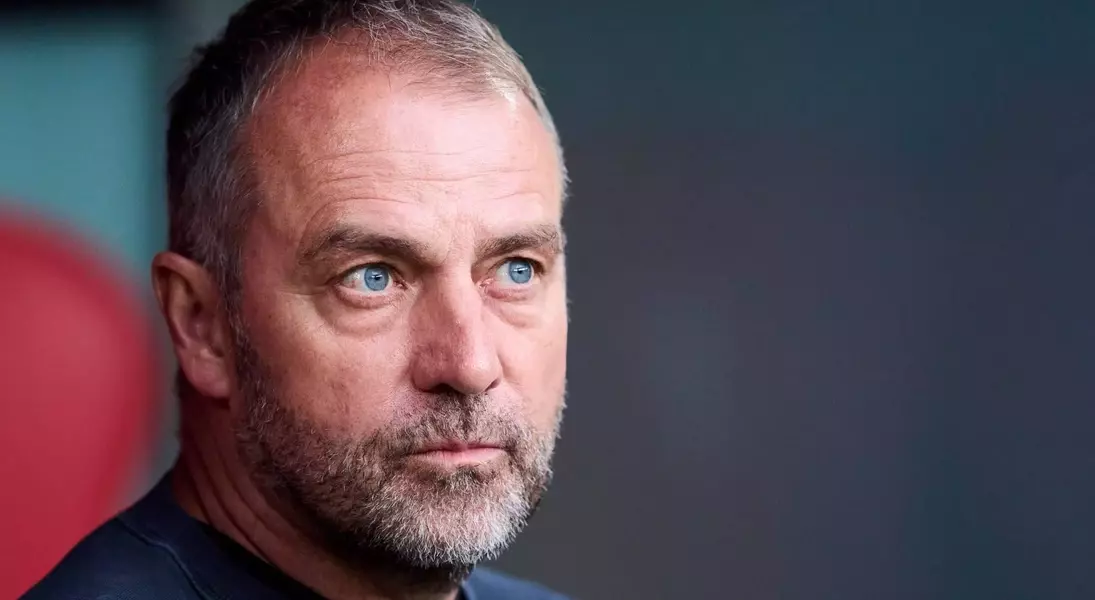
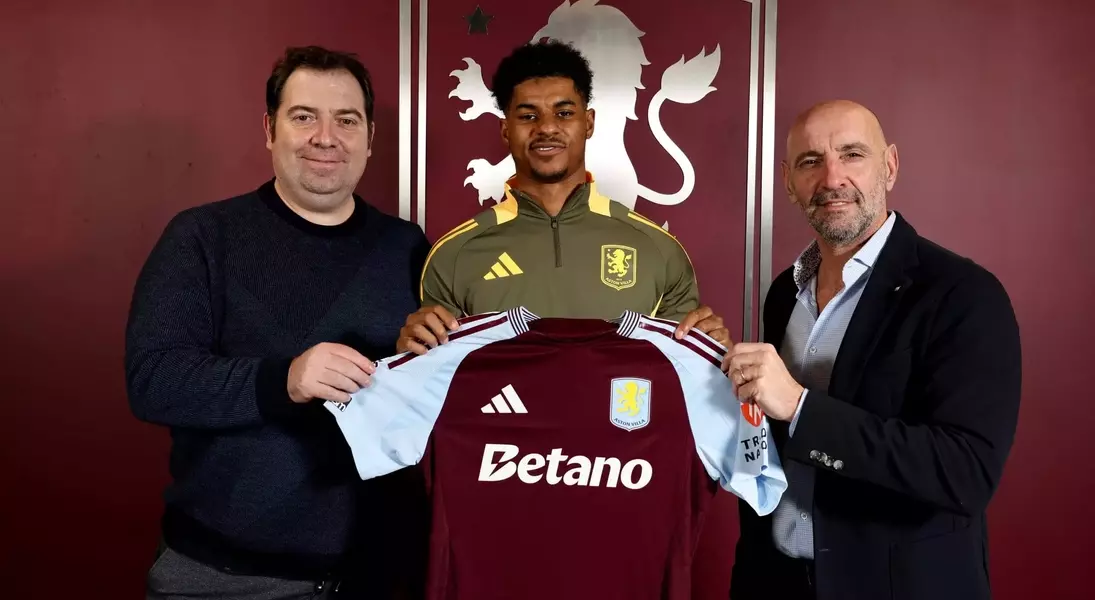
The intricate journey of Rashford's transfer began with his explicit desire to play for Barcelona, conveyed through intermediaries in January 2025. This initial outreach led to a meeting in Lisbon between his representatives and Barcelona's sporting director, Deco, to explore a potential six-month loan. At this time, Barcelona, despite boasting a high-scoring front line, were actively seeking to strengthen their attacking options, especially after failing to secure Nico Williams. Coach Hansi Flick, impressed by Rashford's skills and commitment, greenlit the signing. However, financial constraints and La Liga's stringent salary rules, further complicated by the contentious registration of Dani Olmo and Pau Victor, prevented the immediate execution of the transfer. This forced Rashford to undertake a temporary loan spell at Aston Villa, a move he strategically accepted to position himself for a permanent transfer to Barcelona in the summer. His performance at Villa, coupled with his unwavering focus on Barcelona, ultimately paved the way for his eventual arrival, demonstrating a meticulously planned and determined pursuit of his desired destination.
Barcelona's Strategic Acumen and Rashford's New Chapter
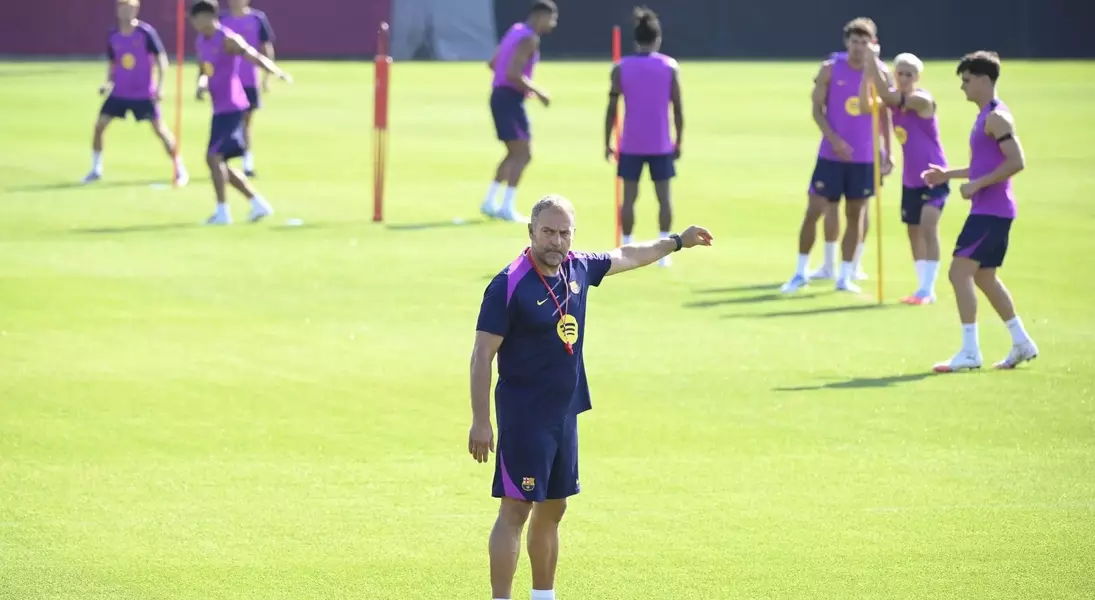
Barcelona's acquisition of Marcus Rashford on loan showcases their strategic adeptness in navigating financial constraints while securing a highly motivated talent. Recognizing Rashford's willingness to make personal and financial sacrifices for the move, Barcelona capitalized on an opportunity to bolster their squad without an immediate hefty transfer fee. The club's confidence in their ability to register him, despite previous challenges, reflects their belief in the player's quality and his strong desire to integrate into the team. For Rashford, this move represents more than just a change of scenery; it's a critical juncture to reignite his career, adapt to a demanding tactical system under Hansi Flick, and reaffirm his status as a top-tier forward, with sights set on international competition.
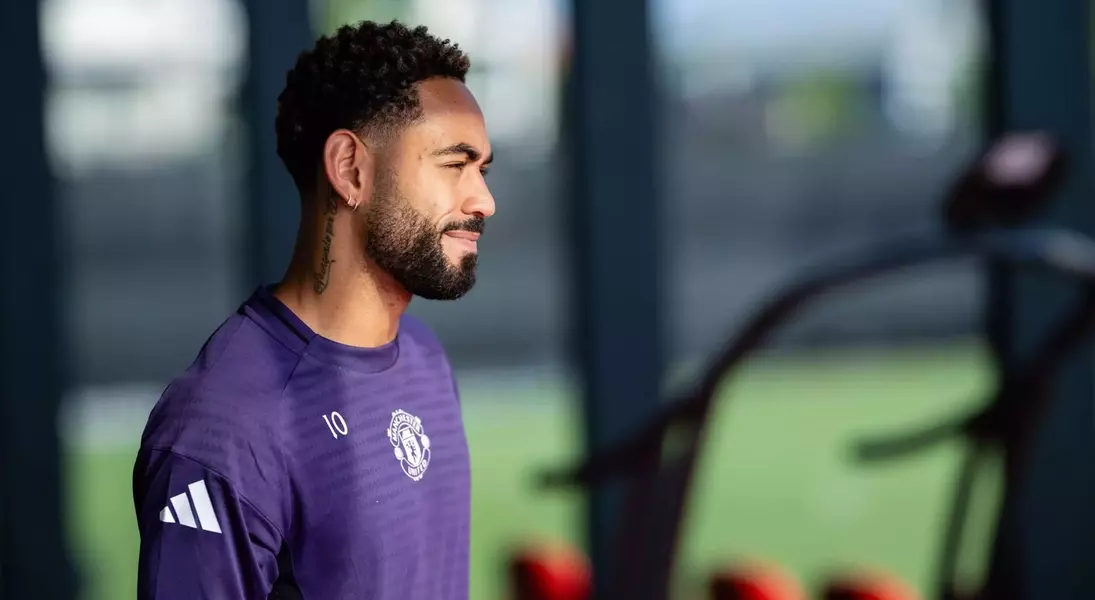
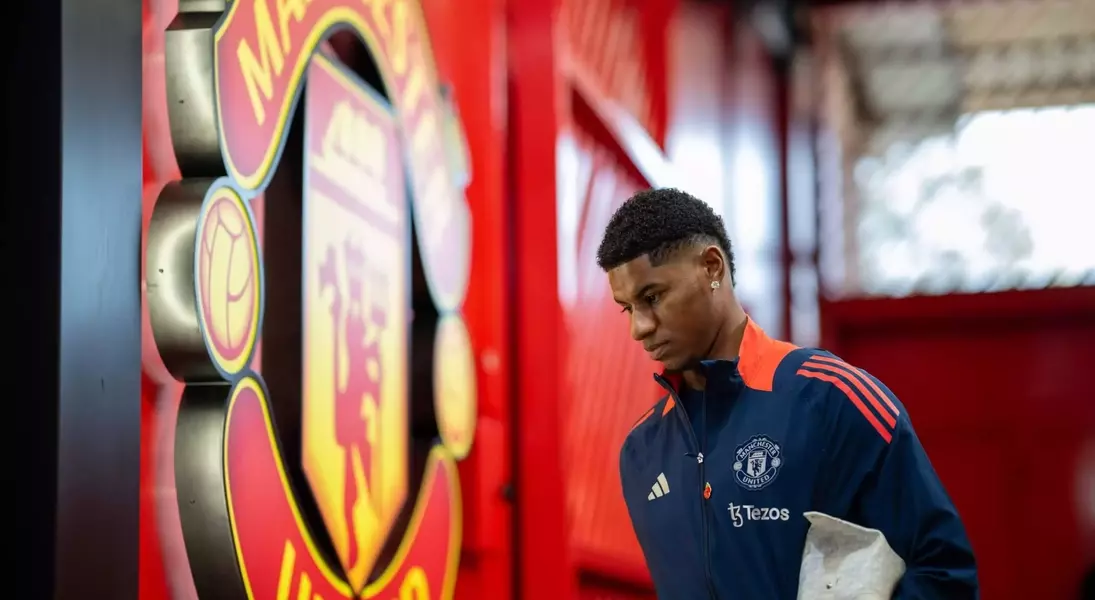
The successful negotiation of Rashford's loan deal highlights Barcelona's shrewd management, particularly in their ability to secure a high-profile player despite ongoing financial challenges. The agreement, which includes a €30 million buy option and no penalty for non-activation, reflects a mutually beneficial arrangement. Rashford's acceptance of a significant pay cut, reportedly between 15 and 25 percent, underscores his profound desire to join Barcelona. From Manchester United's perspective, this deal provides considerable wage relief, as Rashford's high salary had become a burden following his diminished role under Ruben Amorim. At Barcelona, Rashford is expected to primarily operate as a left-winger, a role that complements Flick's high-pressing system and allows for tactical versatility, including Raphinha's potential shift to central positions. The club has high expectations for Rashford, anticipating that his hunger for success and a spot in the upcoming World Cup squad will drive him to fully embrace Flick's demanding physical and tactical requirements, ultimately making him a valuable asset to their attacking prowess.
