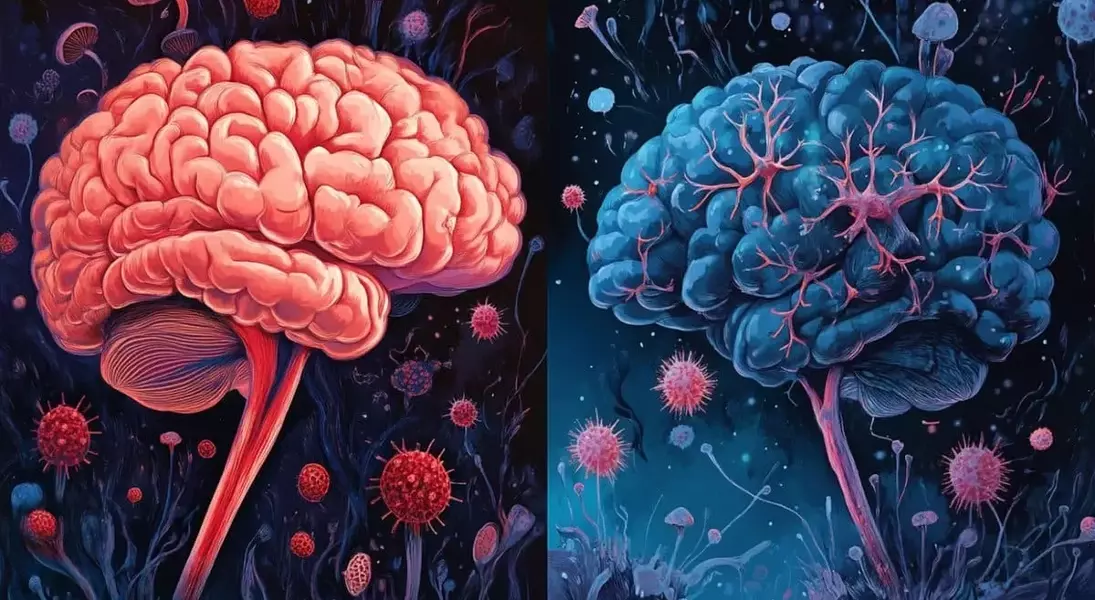
A groundbreaking study conducted by researchers at Mass General Brigham unveils a fascinating link between chronic stress, immune cells, and heightened fear responses. The findings reveal that psychedelics like MDMA and psilocybin could play a pivotal role in disrupting this cycle. By reducing inflammation and altering neuroimmune pathways, these substances might help reset dysfunctional brain-immune interactions associated with conditions such as depression and anxiety. Although not presented as a universal cure, the research opens new avenues for therapeutic interventions targeting emotional and immune dysregulation.
Key Insights into Psychedelic Therapy and Neuroimmunity
In a meticulously designed experiment, scientists identified how chronic stress activates immune cells that migrate to the brain, amplifying inflammation and enhancing fear responses. This groundbreaking discovery was made possible through preclinical models involving mice subjected to prolonged stress. Researchers observed that monocytes, a specific type of inflammatory immune cell, traveled from peripheral areas to the brain's meninges during periods of chronic stress. Importantly, administering psychedelics like MDMA and psilocybin significantly reduced the accumulation of these monocytes in the brain and lowered fear behaviors in the test subjects. Furthermore, human tissue samples demonstrated comparable neuroimmune signaling patterns, reinforcing the relevance of these findings to human neuropsychiatric disorders.
This study took place under the leadership of Dr. Michael Wheeler at the Gene Lay Institute of Immunology and Inflammation, part of Brigham and Women’s Hospital. Using advanced genomic screening techniques and behavioral analyses, the team discovered that amygdala astrocytes, key cells within the brain's fear center, regulate stress-induced fear via epidermal growth factor receptor (EGFR). They also noted an orphan nuclear receptor, NR2F2, playing a crucial role in neuron-glial communication during stressful situations. These insights were validated through clinical samples, suggesting potential applications beyond mental health into broader inflammatory diseases.
From their base in Boston, Massachusetts, the research team highlighted the importance of further investigation into long-term effects of psychedelic treatments on patients suffering from major depressive disorder or related inflammatory illnesses. Collaborations with other institutions, including the Center for the Neuroscience of Psychedelics at Massachusetts General Hospital, are already underway to explore these possibilities more deeply.
Finally, while acknowledging the promise of psychedelics, the authors emphasized caution against overstating their capabilities. Instead, they advocated for continued exploration of their tissue-specific benefits, which could lead to innovative treatment strategies.
Among the contributors to this extensive project were numerous esteemed colleagues from various disciplines across Mass General Brigham, underscoring the collaborative nature of modern scientific inquiry.
Funding for this landmark endeavor came from multiple prestigious organizations, including the U.S. Department of Health & Human Services/National Institutes of Health (NIH), National Multiple Sclerosis Society, and others dedicated to advancing knowledge in immunology, neuroscience, and psychopharmacology.
The full results were published in Nature, one of the world’s most respected scientific journals.
As expressed by Cassandra Falone, representing Brigham and Women’s Hospital, this research marks a significant step forward in understanding complex neuroimmune interactions.
From a journalistic perspective, this study illuminates previously unexplored dimensions of how psychological stress impacts physical health through immune system modulation. It challenges traditional views on treating psychiatric disorders by introducing psychedelics as potential tools for resetting maladaptive neural circuits. As society grapples with rising rates of mental illness and chronic disease, discoveries like these offer hope for developing effective therapies grounded in cutting-edge science.
For readers interested in personal well-being or public health policy, this report underscores the necessity of fostering interdisciplinary approaches to healthcare innovation. By bridging gaps between psychology, immunology, and pharmacology, we may unlock novel solutions capable of transforming lives worldwide.
