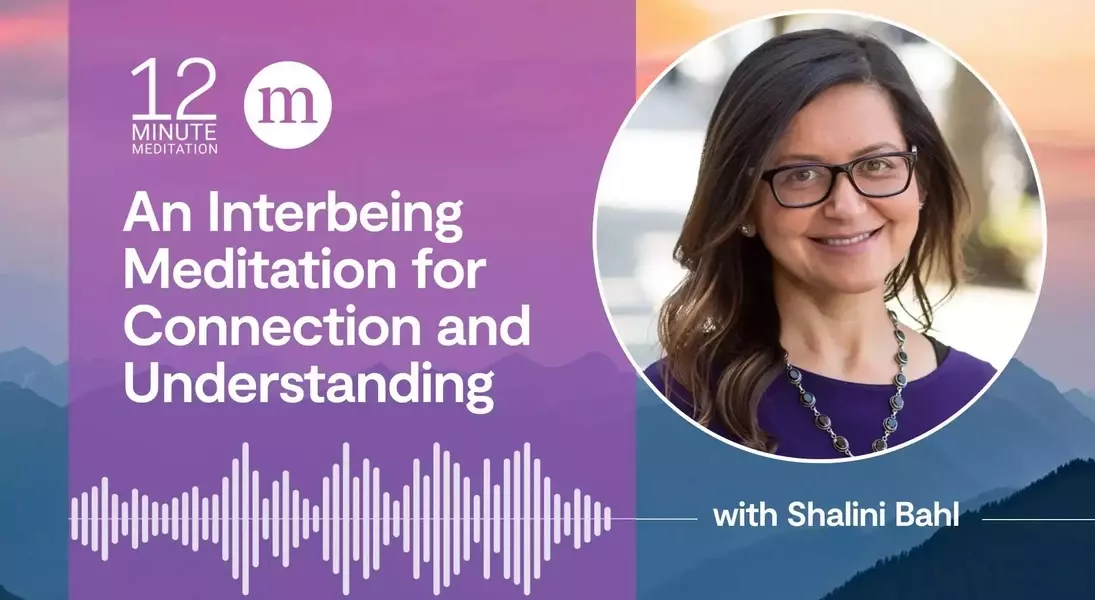
A unique meditation practice, interbeing, delves into the essence of human interconnectedness and dependency. This article explores how embracing our shared bonds can enhance understanding, empathy, and cooperation during challenging interactions. By focusing on both personal and others' needs, individuals can foster more compassionate relationships and approach conflicts with a fresh perspective.
In today's fast-paced world, it is easy to lose sight of our deep connections with one another and the environment. Dr. Shalini Bahl offers a guided meditation session that invites participants to reflect on their intrinsic ties to the broader universe. The concept of interbeing, coined by Zen master Thich Nhat Hanh, highlights the interdependence inherent in all living beings. This practice aims to help individuals recognize these bonds, especially during moments of conflict or division.
The meditation begins with an invitation to adopt a comfortable seated position, encouraging mindfulness through focused breathing. Participants are then guided to visualize natural elements such as clouds transforming into rain, nourishing the earth and its vegetation. This imagery symbolizes the cyclical nature of life and the mutual support systems that sustain existence. As one contemplates this intricate web of life, they become aware of their own role within it.
Next, the meditation shifts focus toward interpersonal relationships. Participants are encouraged to bring to mind someone they wish to connect with more deeply or a person with whom they are currently experiencing tension. By grounding themselves in the present moment and revisiting their breath, individuals explore their own needs and intentions in the interaction. They are prompted to listen inwardly, patiently uncovering what they truly seek from the encounter without rushing to conclusions.
Equally important is considering the other person’s perspective. The exercise guides participants to imagine the full complexity of the other individual, acknowledging their experiences, struggles, and aspirations. This process fosters empathy and understanding, transcending surface-level judgments. It reminds us that everyone carries their own burdens and desires, creating a common ground for meaningful dialogue.
Finally, the meditation concludes with setting intentions for approaching future interactions with kindness and awareness. Practitioners are reminded to return to this contemplation of interbeing whenever facing difficult situations. Such practices not only enrich personal growth but also contribute positively to society at large.
Through this reflective journey, individuals learn to navigate challenging encounters gracefully, drawing upon compassion and wisdom. Embracing interbeing allows us to see beyond immediate differences, fostering unity and collaboration in our everyday lives.
