
In an agricultural environment marked by financial headwinds and ecological uncertainties, achieving and sustaining profitability presents a significant challenge for growers. As commodity prices for staples like corn and soybeans are projected to fall, coupled with ongoing production expenses and adverse weather conditions such as drought, farmers must seek innovative solutions. This article delves into crucial strategies designed to help growers not only weather these storms but also to thrive by securing advantageous pricing on necessary inputs through early purchasing and by cultivating open, honest relationships with their agricultural partners. These proactive measures are essential for optimizing financial health and ensuring long-term success in a volatile market.
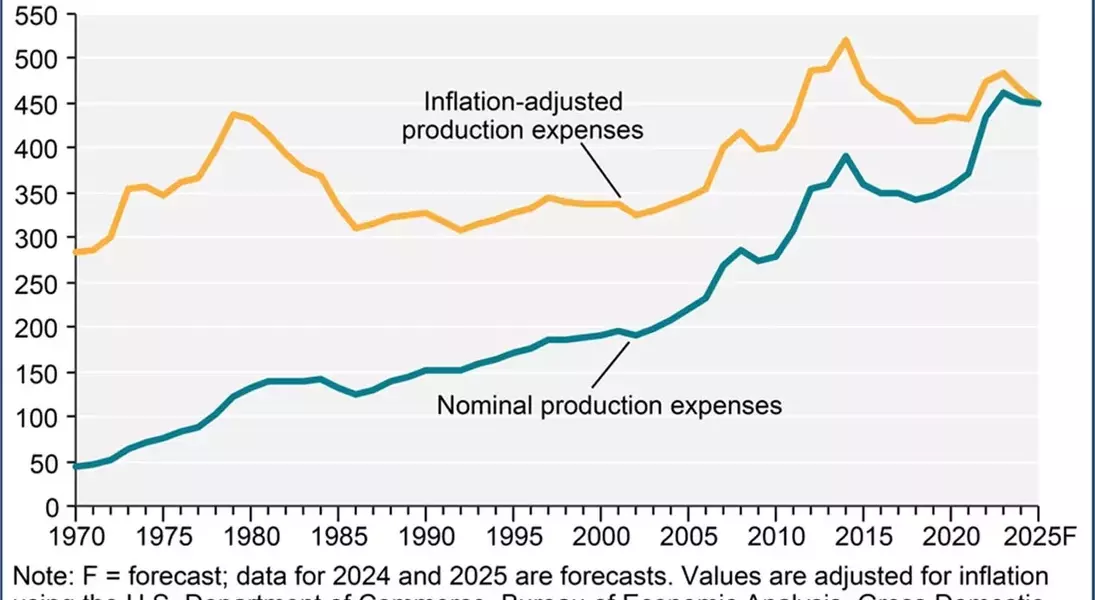
The agricultural sector is currently experiencing a period of considerable financial strain. Recent forecasts from the U.S. Department of Agriculture indicate a modest decrease in production costs for the upcoming year, specifically a 0.6% reduction from 2024 figures. However, this slight relief in expenses is overshadowed by a more pronounced anticipated decline in commodity values. Economists at Iowa State University Extension and Outreach project a nearly 5% drop in corn prices and a more substantial 7.4% decrease for soybeans. Such disparities create a substantial profitability gap for agricultural producers, forcing them to intensify efforts to manage their financial outcomes effectively. Beyond market dynamics, growers are also contending with severe climatic adversities. Prolonged drought conditions and unusually high temperatures necessitate additional investments in crop management, further complicating the path to economic viability. These interwoven challenges underscore the urgent need for farmers to implement strategic planning and financial foresight.
To navigate this complex financial landscape, two critical, often underutilized, strategies emerge for enhancing a farm's economic standing. Firstly, leveraging product discounts through early procurement can significantly reduce operational costs. Companies like Nutrien Ag Solutions, for instance, offer seasonal programs, typically in August, that provide substantial discounts and attractive financing rates for early seed purchases. Farmers who commit to these early buying initiatives and utilize accompanying financial programs can benefit from lower interest expenses, thereby directly impacting their bottom line. The principle here is clear: early action translates into tangible savings, giving growers a competitive edge in managing their expenditures. Secondly, cultivating transparent and trusting relationships with key partners is paramount. Many growers are hesitant to share their financial details, which can limit the tailored support and strategic advice they receive. By openly discussing crop goals, budgetary constraints, and cash flow needs with consultants and vendors, farmers can foster a collaborative environment. This transparency allows their network to offer more relevant solutions and aligned strategies, transforming mere transactions into synergistic partnerships. Such comprehensive engagement enables all stakeholders to work towards a common objective: the farmer's success.
Ultimately, in an agricultural economy defined by fluctuating markets and unpredictable environmental factors, the cultivation of a robust financial strategy is indispensable. By embracing the dual approaches of capitalizing on early purchase incentives and fostering clear, honest communication with key industry collaborators, growers can significantly bolster their economic resilience. These deliberate actions, while potentially demanding in the short term, are fundamental to securing a more prosperous and stable future for their operations, ensuring that all involved parties can achieve their shared objectives.
