In the evolving landscape of agricultural labor, particularly concerning the H-2A temporary worker program, meticulous preparation and proactive compliance are paramount for farm operations. With immigration policies in constant flux and the potential for legal challenges, safeguarding one's farm necessitates going beyond mere adherence to minimum requirements. This article compiles expert advice on establishing comprehensive documentation practices and fostering a culture of readiness, providing farmers with actionable strategies to navigate the complexities of H-2A regulations and protect their vital workforce.
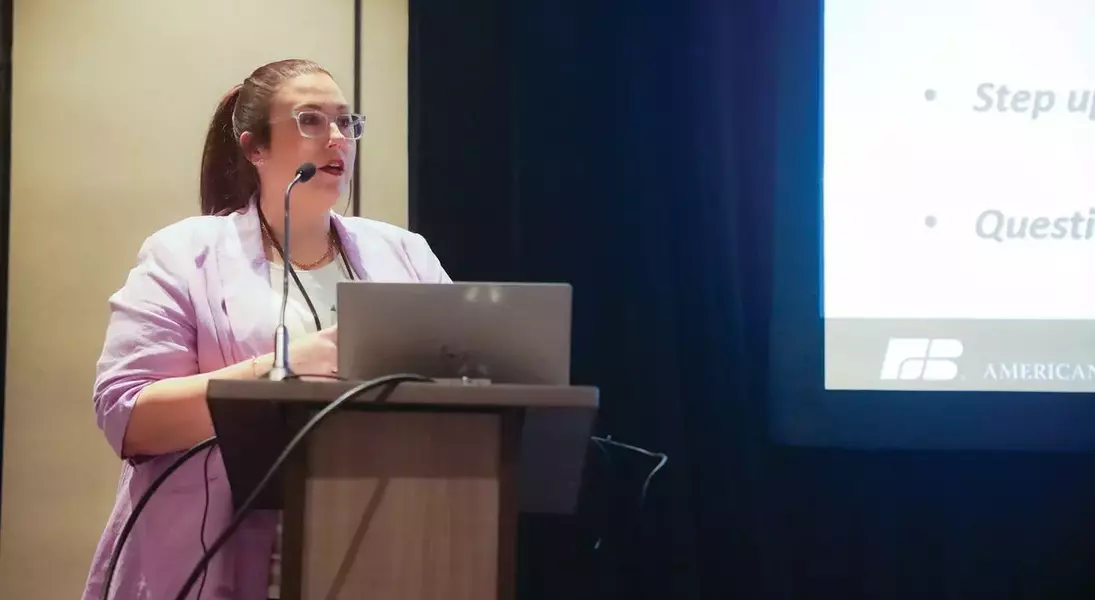
The agricultural sector, especially those involved in cultivating specialized crops or situated in remote areas, faces considerable challenges due to ongoing shifts in immigration laws and labor policies. Ensuring a stable and compliant workforce under the H-2A program has become increasingly intricate. Katie Ramagos Nunez, a seasoned labor consultant with over two decades of experience, recently shared her insights during the 2025 Louisiana Farm Bureau Convention. Her presentation emphasized the critical need for farms to adopt diligent practices to streamline their administrative processes and maintain a state of audit readiness, thereby mitigating risks associated with an ever-changing regulatory environment.
Nunez highlighted that the current climate demands a defensive posture, urging farm owners to prioritize self-protection. “It is imperative to secure your farm’s future by meticulously documenting every action,” she stated, underscoring the importance of signed acknowledgements for all activities. She recounted instances where H-2A workers, especially those returning for subsequent seasons, were approached during their off-season by legal or activist entities. These groups often target areas where farms might have inadequate record-keeping, exploiting potential misunderstandings that can escalate into significant legal issues without proper documentation.
To bolster confidence during routine audits, Nunez recommends several key practices. Firstly, strict adherence to form requirements is essential. Farmers should ensure all forms are completed accurately and copies are readily available, both digitally and in print. Regular updates of I-9 forms, directly from official sources, are particularly crucial to guarantee compliance with the latest versions. Secondly, obtaining signed agreements for the distribution of job orders is vital. While recruiters typically handle this, a written clause in their contract confirming their responsibility to provide bilingual job orders, along with additional copies upon workers' arrival, can prevent miscommunications and provide concrete proof. Thirdly, continuous verification of prohibited fees is necessary; farmers should regularly confirm, preferably with signed attestations, that workers have not incurred any illicit charges from recruiters or third parties throughout their contract period.
Furthermore, Nunez suggested implementing a “contract complete” letter, a single document encompassing various essential acknowledgements, such as receipt of job orders, confirmation of no prohibited fees, verification of full wage payments, and proper travel reimbursements. This comprehensive letter serves as a crucial protective measure for employers. Another simple yet effective step is collecting signatures on all payroll stubs, providing undeniable evidence of payment. For situations involving early departures or abscondments, meticulous documentation is indispensable. For instance, in Louisiana's sugarcane industry, where workers often take short breaks between planting and harvest, farms must record these absences and ensure that offered work hours align with H-2A regulations, even during such periods. Additionally, itemizing travel expenses, including flights, bus fares, meal per diems, and hotel stays, provides solid proof of compliance with travel cost obligations, rather than relying on lump sums from recruiters.
Moreover, assisting workers with authorization proof is increasingly important. With heightened immigration enforcement, workers benefit from carrying copies of their I-94 forms, as this document serves as immediate proof of their authorized presence in the U.S. Nunez also advises establishing clear points of contact for workers in case of emergencies or legal queries, empowering them and simplifying intervention processes. Finally, farms should never assume automatic approval for housing inspections, even if conditions are consistently good. Regular checks against current standards are necessary to avoid overlooking minor non-compliance issues. While increased paperwork might seem burdensome, Nunez insists that it is an invaluable investment. “In today’s environment, extensive documentation is your greatest defense,” she stated, emphasizing that these detailed records will ultimately save time and prevent substantial problems in the long run.
