







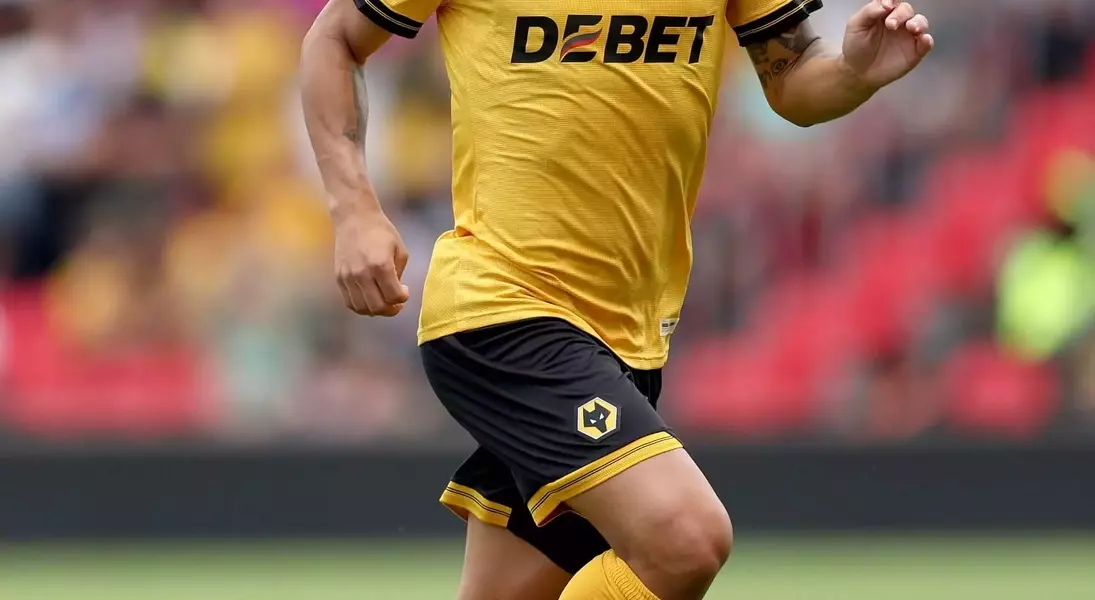

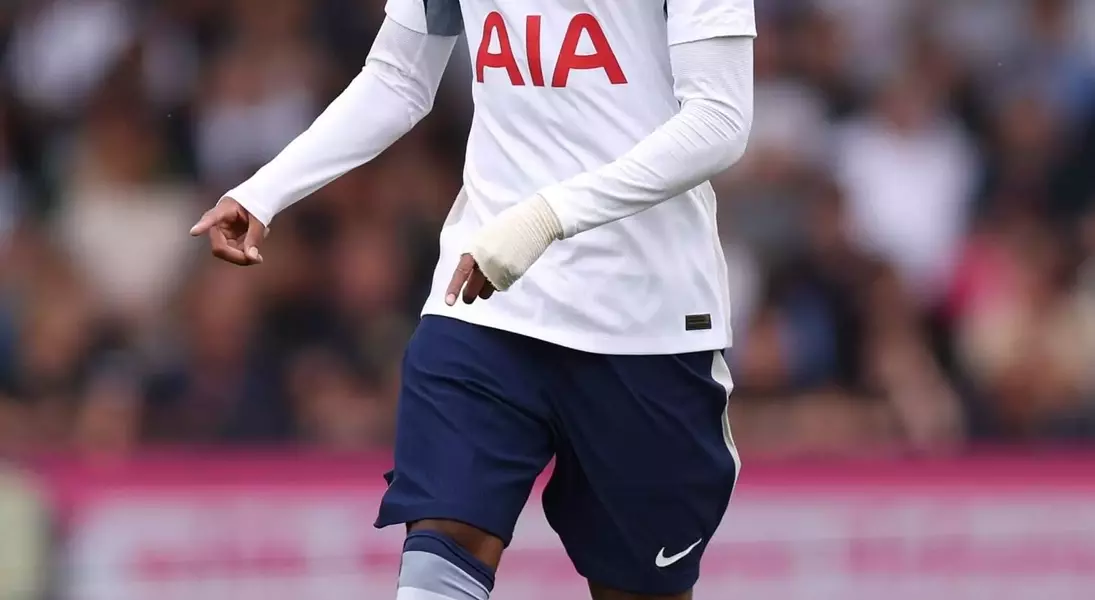


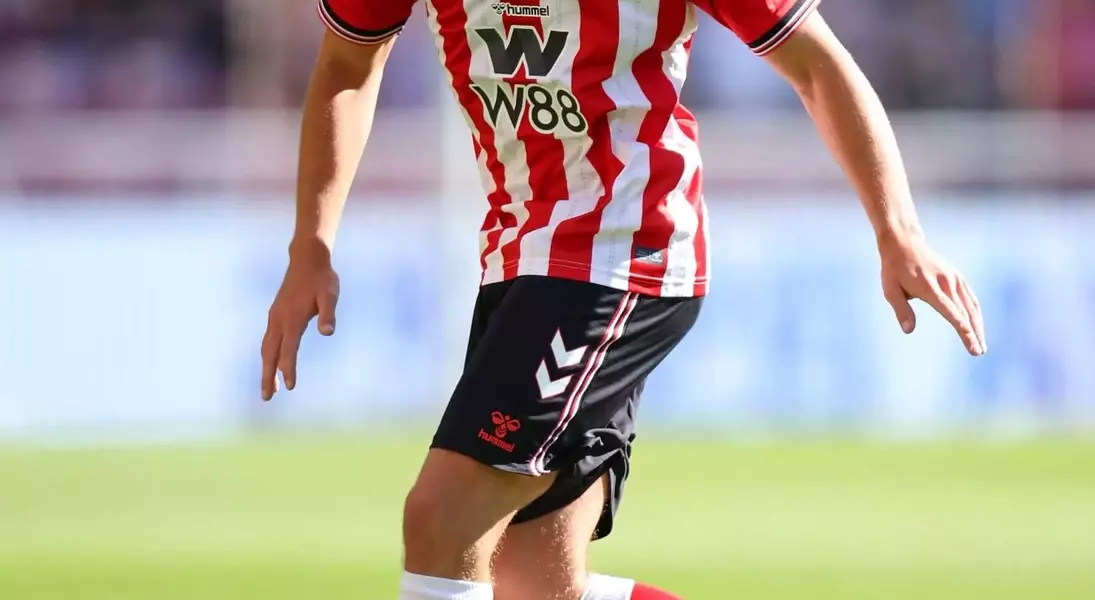
The unveiling of new home kits marks a pivotal moment for football enthusiasts as a new season beckons. This season’s collection for the 20 Premier League clubs presents a diverse array of designs, ranging from the truly innovative to the nostalgically inspired. Each uniform tells a story, reflecting club heritage, local landmarks, or contemporary design trends. The critical assessment of these kits reveals a fascinating interplay between tradition and modernity, with some teams striking a perfect balance while others falter in their attempts to reinvent their iconic looks. Fans eagerly await to see these new threads in action, hoping their team’s visual identity on the pitch matches their aspirations for the season ahead.
This year’s kit releases have sparked considerable debate among supporters and critics alike, with many designs drawing inspiration from unique sources. For instance, some kits incorporate intricate patterns that pay homage to regional topography or historical club crests, demonstrating a thoughtful approach to design. Others opt for a clean, minimalist aesthetic, emphasizing the core colors and classic elements that define a club’s identity. The varying approaches highlight the challenges and opportunities designers face in creating a fresh yet recognizable uniform. Ultimately, the success of a kit often lies in its ability to resonate with the fanbase, evoking a sense of pride and connection to the team’s legacy and future ambitions.
Design Innovation and Traditional Roots
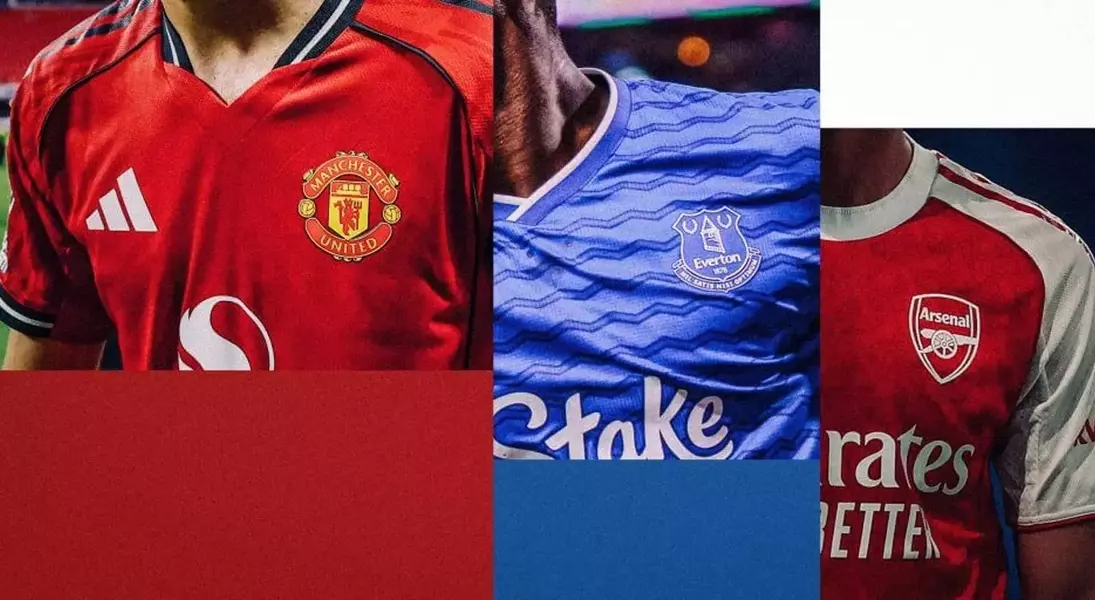
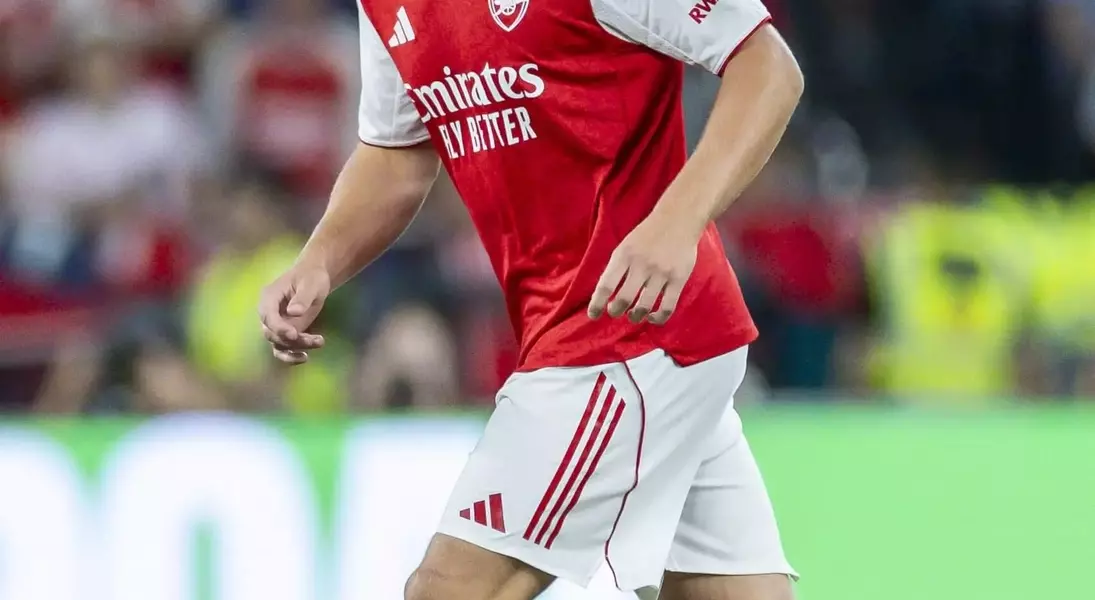
The 2025-26 Premier League home kits showcase a spectrum of design philosophies, with some clubs embracing bold innovations while others firmly adhere to classic aesthetics. Teams like Everton have captivated audiences with a striking design that features wavy lines, cleverly referencing the River Mersey—a detail that adds both visual intrigue and local significance. This inventive approach demonstrates how modern design can integrate meaningful elements without sacrificing aesthetic appeal. In contrast, other clubs, such as Arsenal, have returned to a more traditional look, re-emphasizing classic color combinations and stripe patterns. This back-to-basics strategy prioritizes familiarity and a timeless feel, reinforcing the club's enduring identity. The varied design choices across the league highlight the ongoing dialogue between contemporary trends and established heritage in football kit creation.
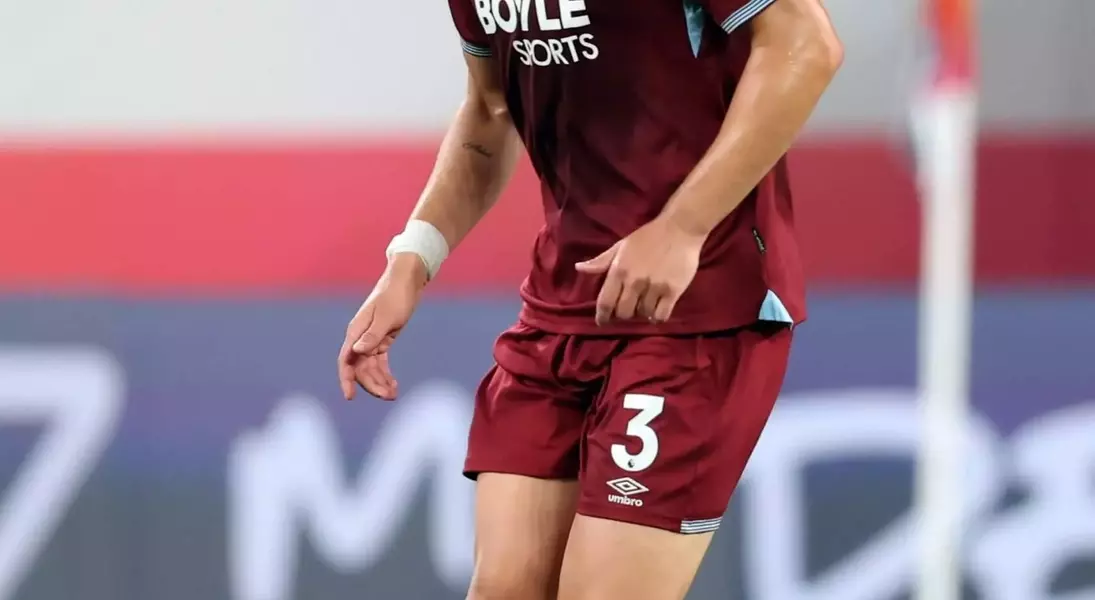
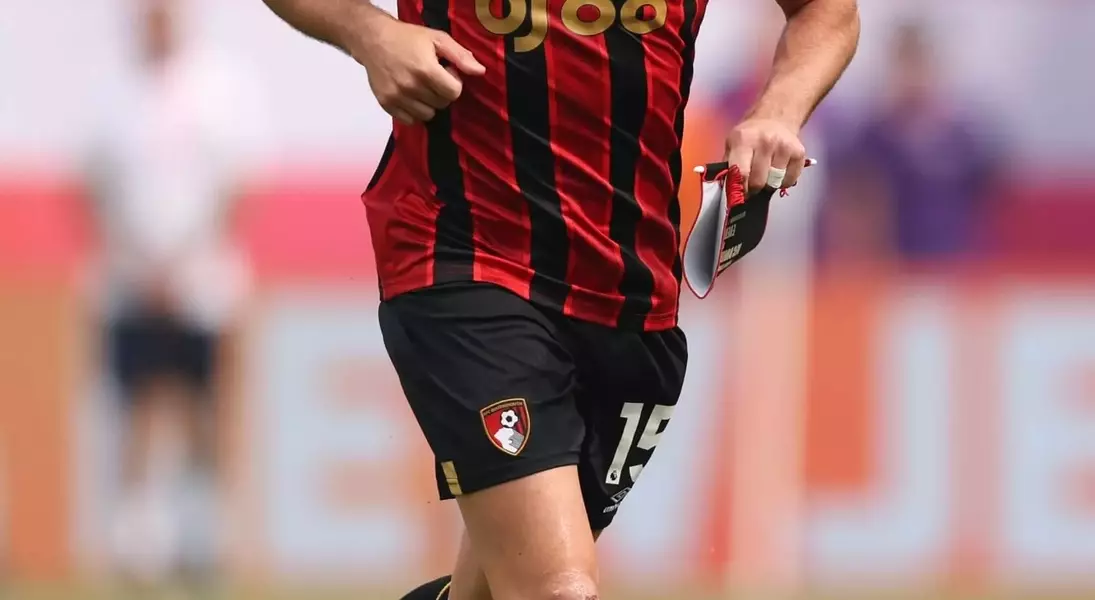
The creativity in this season's kit designs is particularly noteworthy, with several teams taking unexpected turns. Bournemouth's kit, for example, features a 'rippled sand' pattern, a playful nod to its coastal location, despite its somewhat abstract appearance. Burnley's design incorporates squiggly lines inspired by the hilly landscape around Turf Moor, showcasing how local geography can influence a kit’s visual texture. While some of these intricate details might require an explanation to be fully appreciated, they nonetheless reflect a genuine effort to imbue each uniform with a unique narrative. Meanwhile, manufacturers like Adidas have embraced a mid-2000s retro theme, evident in kits with curved piping, offering a nostalgic touch for fans. This blend of new conceptualizations and vintage callbacks creates a rich tapestry of visual identities for the upcoming season, ensuring that each team's kit stands out in its own distinct way, from subtle nods to bold statements.
Memorable Uniforms and Subtle Narratives
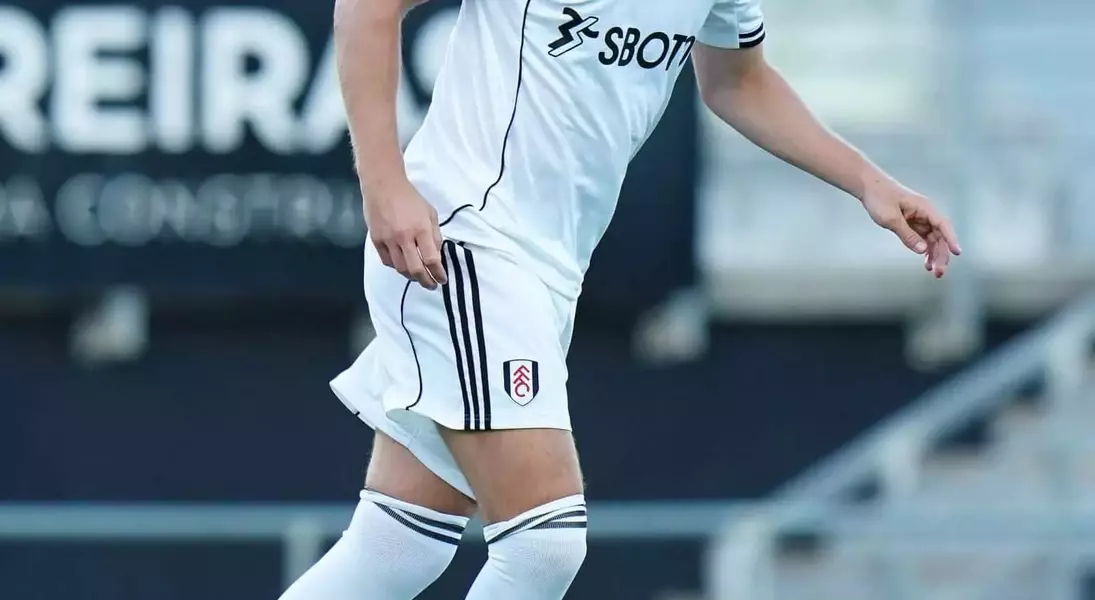
Beyond the overarching design themes, individual Premier League home kits for the 2025-26 season tell compelling stories through their unique features. Liverpool's re-collaboration with Adidas evokes a sense of nostalgia, drawing inspiration from kits worn during a particularly memorable period in the club's history. This partnership symbolizes a cherished connection, much to the delight of fans who appreciate the aesthetic continuity. Similarly, Leeds United's kit, despite its controversial sponsor logo, is lauded for its clean lines and intricate detailing around the collar and cuffs, which subtly reference the tunnel leading to Elland Road. These thoughtful elements demonstrate how even seemingly minor design choices can carry significant symbolic weight, resonating deeply with the club’s history and fanbase. Such attention to detail transforms a simple uniform into a wearable piece of club lore.
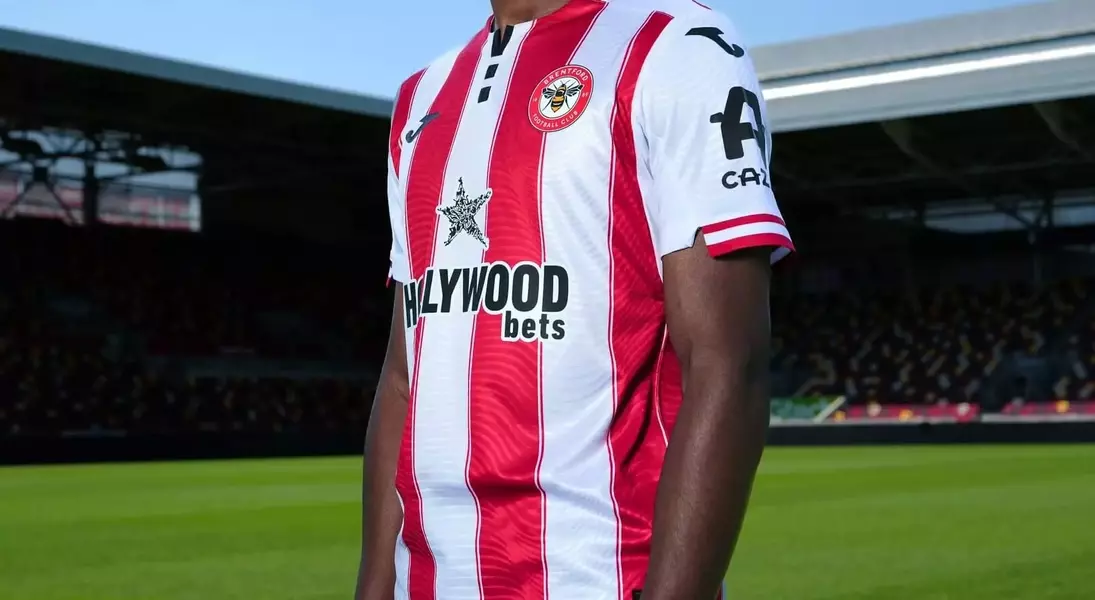
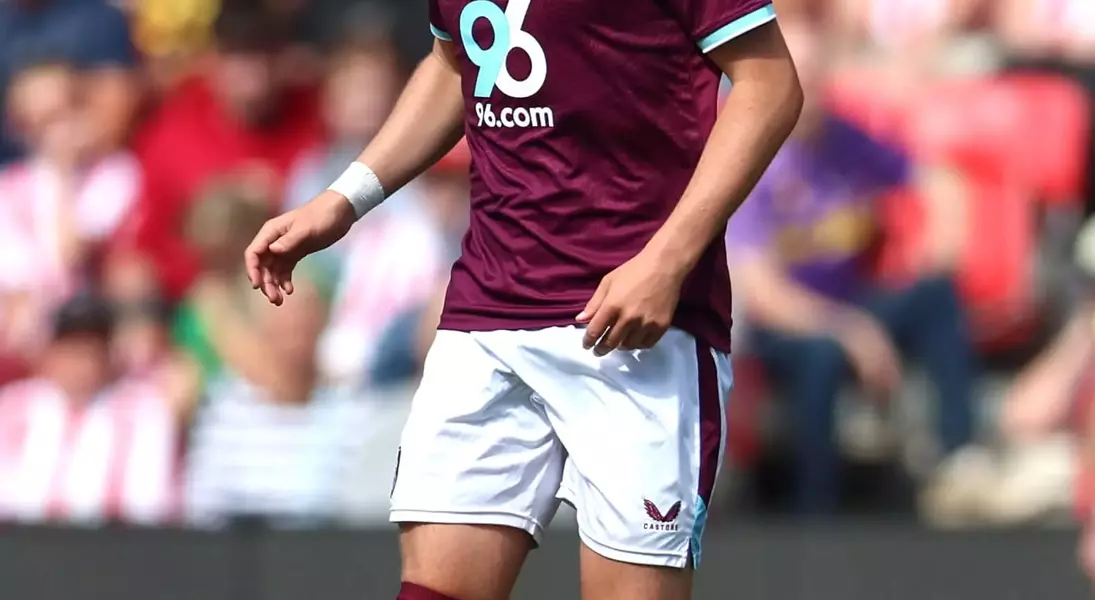
However, not all kits have garnered universal praise. Chelsea’s uniform, despite its traditional blue, has been criticized for resembling unofficial merchandise, lacking the distinctiveness expected of a top-tier club. Brentford's switch to a new manufacturer resulted in a design that some feel harks back to lower league aesthetics, suggesting a departure from its Premier League presence. West Ham United's decision to minimize the traditional blue in their claret and blue scheme has also raised eyebrows, as it deviates from a core aspect of their visual identity. These instances highlight the fine line designers walk between innovation and tradition, where even minor alterations can significantly impact fan reception. The inclusion of unique patterns, like Newcastle United's 'shepherd's check' on its stripes, which is meant to evoke local heritage but might come across as perplexing without context, further underscores the diverse and sometimes divisive nature of kit design in professional football, where every stitch and shade is scrutinized for its story and symbolism.
