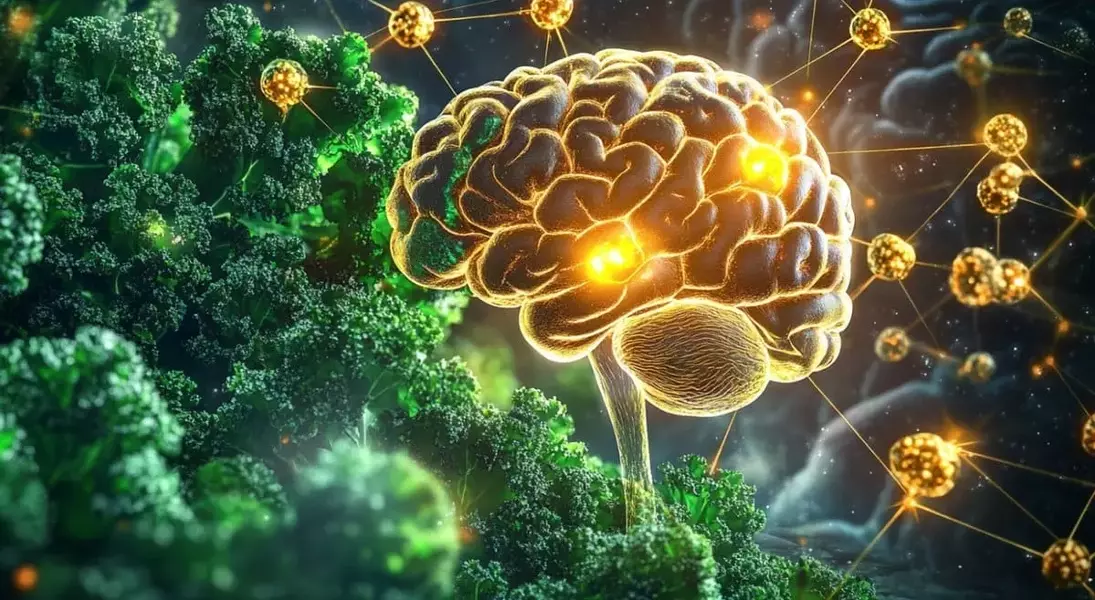
A groundbreaking discovery has emerged from the University of Missouri, where researchers have identified a natural compound that could revolutionize the treatment of neurodegenerative diseases such as ALS and dementia. This compound, known as kaempferol, is found abundantly in common foods like kale and berries. Initial studies suggest that it plays a crucial role in supporting nerve cell health by enhancing energy production and alleviating cellular stress. These findings bring hope to millions affected by debilitating neurological conditions.
Despite its promising properties, there are significant hurdles to overcome before kaempferol can be widely utilized as a therapeutic agent. One major challenge lies in the body's limited ability to absorb this compound efficiently from dietary sources. To achieve therapeutic benefits, an individual would need to consume vast quantities of kaempferol-rich foods daily, which is impractical. Furthermore, transporting the compound across the blood-brain barrier presents another obstacle, as this protective layer restricts the entry of larger molecules into the brain. Scientists are now exploring innovative solutions to enhance absorption and delivery.
Looking ahead, researchers are optimistic about the potential of lipid-based nanoparticles to address these limitations. By encapsulating kaempferol within tiny fat particles, scientists aim to create a more effective method of delivering the compound directly to nerve cells. This approach not only improves absorption but also targets the specific areas of the brain and nervous system affected by neurodegenerative diseases. As advancements continue, the prospect of a viable treatment for ALS and dementia becomes increasingly tangible. The pursuit of such therapies underscores humanity's resilience and determination to combat some of the most challenging medical conditions through scientific innovation and perseverance.
