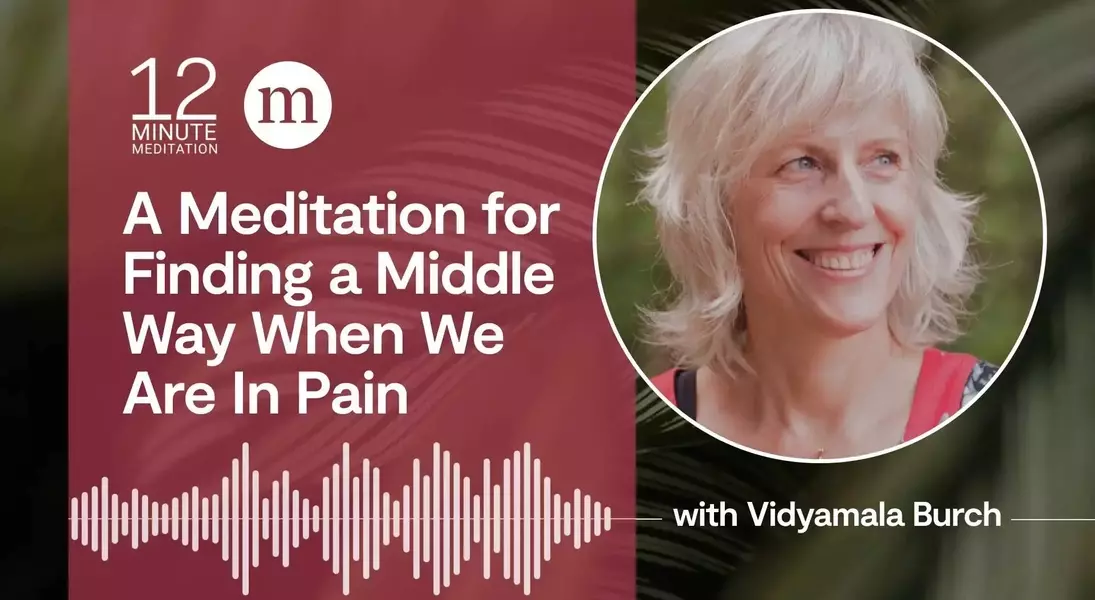
This article explores a compassionate meditation technique developed by renowned meditation instructor and pain specialist Vidyamala Burch. The practice focuses on embracing the entirety of one's self, including pain, with openness and kindness. It provides an alternative to either denying discomfort or becoming overwhelmed by it. Through guided steps, participants learn to cultivate awareness of their physical sensations while maintaining a gentle attitude toward themselves. This approach fosters integration and wholeness, encouraging individuals to face challenges with presence and care.
Experiencing pain often makes staying present difficult. Physically, being mindful during such moments can feel unbearably unpleasant. Naturally, part of us yearns to escape entirely from this discomfort. Simultaneously, the sensation of pain itself tends to overwhelm our senses, thoughts, and emotions. It may feel like being submerged in an endless tide when all we truly desire is even a fleeting moment of tranquility. To address this dilemma, Vidyamala Burch presents a nurturing meditation method that seeks a balanced path—neither avoiding nor succumbing to the intensity of pain but rather meeting it with gentleness and understanding.
Burch’s meditation begins with establishing a comfortable posture, whether seated or lying down. The key is selecting a position that allows maximum relaxation while remaining alert. Once settled, practitioners are encouraged to let their body rest fully into its support, be it a chair or the floor. Breathing deeply and then exhaling fully helps release tension, inviting a sense of calm. As awareness shifts away from the mind and into the body, attention moves through various parts of the anatomy, starting with the torso and extending outward.
Next, focus turns to the shoulders, arms, and hands, ensuring these areas remain relaxed and supported. Whether resting palms upward or downward depends on the chosen position. Letting go of any gripping or tension here promotes deeper relaxation. Moving upward, the neck and head receive similar attention. For those sitting, maintaining proper alignment between the head and spine encourages ease, while those lying down can allow their head to rest completely on a pillow or cushion. Softening facial muscles further enhances this state of serenity.
As the session progresses, participants are invited to connect with the physicality of their head, recognizing it as an integral part of the body rather than merely a source of thought. Sensations such as temperature, tingling, or contact with air brushing against the skin contribute to this embodied awareness. Eventually, the aim becomes experiencing a unified sense of wholeness across the entire body, noticing how sensations arise and pass continuously.
When encountering pain or discomfort, the meditation encourages addressing it directly yet tenderly. By observing whether resistance or hardness surrounds the affected area, individuals can adjust their approach accordingly. Turning too far away signifies denial, whereas fixating solely on the pain indicates overwhelm. Finding balance involves gently incorporating the experience into broader awareness, imagining each breath bringing kindness to the troubled spot. Broadening focus to include other supportive elements, like feeling grounded through the bottom or sensing breath throughout the whole body, reinforces this holistic perspective.
This practice ultimately trains individuals in embracing their full experience with both presence and compassion. When faced with wounds, they learn to expand their awareness beyond immediate distress. Conversely, if caught in patterns of avoidance, they draw closer to their feelings. Awareness cultivated through this process remains dynamic, subtle, and fluid. Concluding the meditation returns attention gradually to external surroundings before reengaging fully with daily life.
Through this unique meditation style, Vidyamala Burch offers a transformative way to interact with pain. Instead of battling or ignoring it, participants develop skills to meet their experiences with kindness and acceptance. This approach not only alleviates suffering but also enriches overall well-being, promoting harmony within oneself despite challenging circumstances.
