Head coach Mauricio Pochettino of the U.S. men's national team recently shed light on key roster decisions and player relationships ahead of the September international window. He addressed the ongoing narrative surrounding star forward Christian Pulisic and the notable absence of midfielder Weston McKennie, providing insights into his strategic considerations and future plans for the squad. Pochettino's statements aim to clarify past events and set a clear direction for the team's upcoming engagements.
USMNT Coach Discusses Squad Selections and Player Dynamics
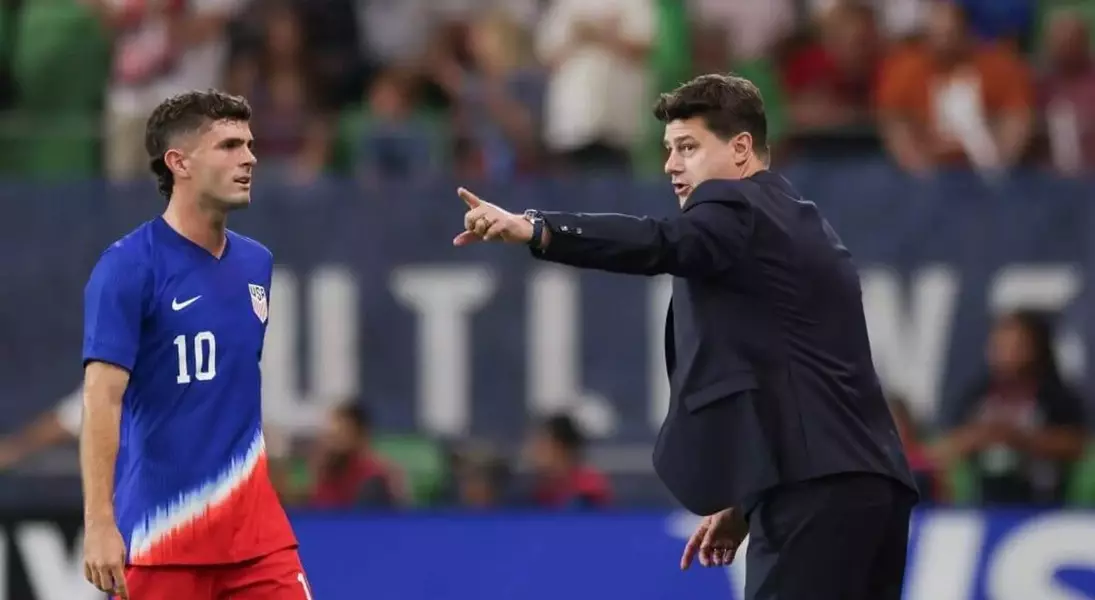
In a recent press briefing held via Zoom, U.S. men's national team coach Mauricio Pochettino confirmed that he had not engaged in direct discussions with Christian Pulisic throughout the summer. Despite this lack of recent personal contact, Pochettino underscored that any previous disagreements between them, particularly those stemming from June, are now considered resolved. Looking ahead, Pochettino articulated a clear plan for Pulisic: he expects the player to arrive in optimal form for the upcoming September friendly matches against South Korea and Japan, following a productive pre-season with AC Milan. This marks Pulisic's anticipated return to the national team since his last appearance in March, where an incident involving a refused substitution against Canada raised eyebrows. Pulisic's subsequent decision to forgo the summer's Concacaf Gold Cup, a move that stirred considerable debate among fans and pundits, was also a point of contention. His father, Mark, and Pulisic himself publicly defended the choice, with Pulisic expressing a desire to participate in earlier friendlies that were ultimately denied. Pochettino, in turn, emphasized his authority as head coach, asserting that players cannot selectively choose their national team commitments. Despite the past friction, Pochettino indicated that Pulisic's current call-up is a recognition of his physical readiness and exceptional talent.
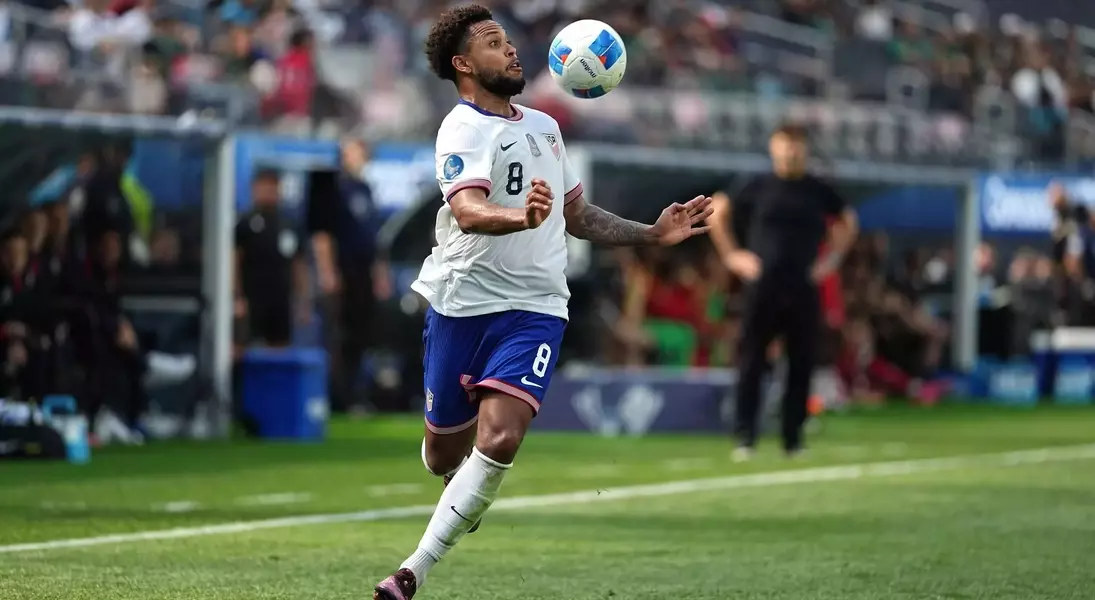
Furthermore, Pochettino elaborated on the surprising exclusion of midfielder Weston McKennie from the September roster. He attributed this decision primarily to McKennie's shortened off-season schedule and his current status within the Juventus squad. Pochettino noted that the coaching staff has a thorough understanding of McKennie's capabilities and felt it unnecessary to summon him for these particular friendlies, opting instead to allow him more time to integrate and establish himself with his club. McKennie's limited playing time in Juventus's recent Serie A opener underscored the need for him to solidify his position. A similar rationale was applied to Johnny Cardoso, who recently transferred to Atl←tico Madrid; Pochettino believes both players require time to adjust to their new club environments. While emphasizing that no player's spot on the national team is guaranteed, Pochettino hinted at a potential return for McKennie in the October camp, suggesting that the September window is reserved for evaluating new faces. He expressed a desire to equip McKennie with all necessary resources to secure a regular starting role at Juventus, believing that consistent club competition will ultimately elevate his performance for the national team.
This dynamic interplay between national team commitments and club responsibilities highlights the complex considerations faced by coaches. It's a reminder that squad selections are not merely about individual talent but also about strategic timing, player well-being, and the broader team ecosystem. From a fan's perspective, this transparency, though sometimes revealing underlying tensions, ultimately fosters a deeper understanding of the coaching philosophy and the rigorous demands placed upon elite athletes. It compels us to appreciate the delicate balance between a player's club career and their national duties, a balance that requires astute management and open communication for optimal outcomes.
