
A recent comprehensive analysis by Consumer Reports has brought to light a significant disparity in dependability between plug-in hybrid electric vehicles (PHEVs) and their conventional gasoline counterparts. The findings indicate that PHEVs are afflicted by an alarming 80% higher incidence of issues, challenging their perceived advantages in the automotive market. This revelation compels a closer examination of the complexities and consumer expectations associated with multi-powertrain vehicle strategies.
PHEV Reliability Under Scrutiny: Key Models Highlighted by Consumer Reports
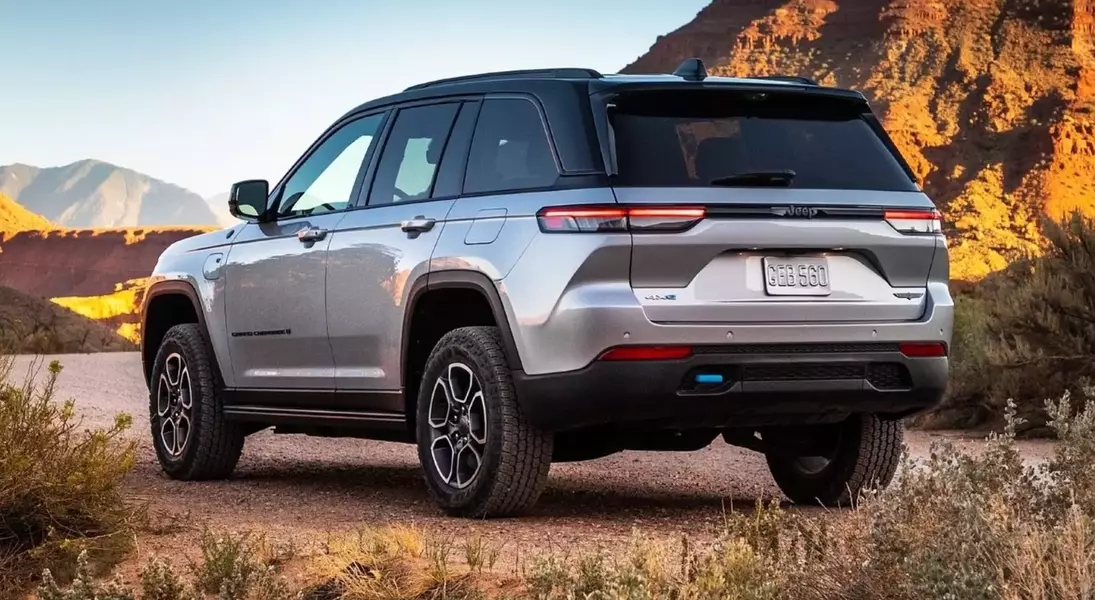
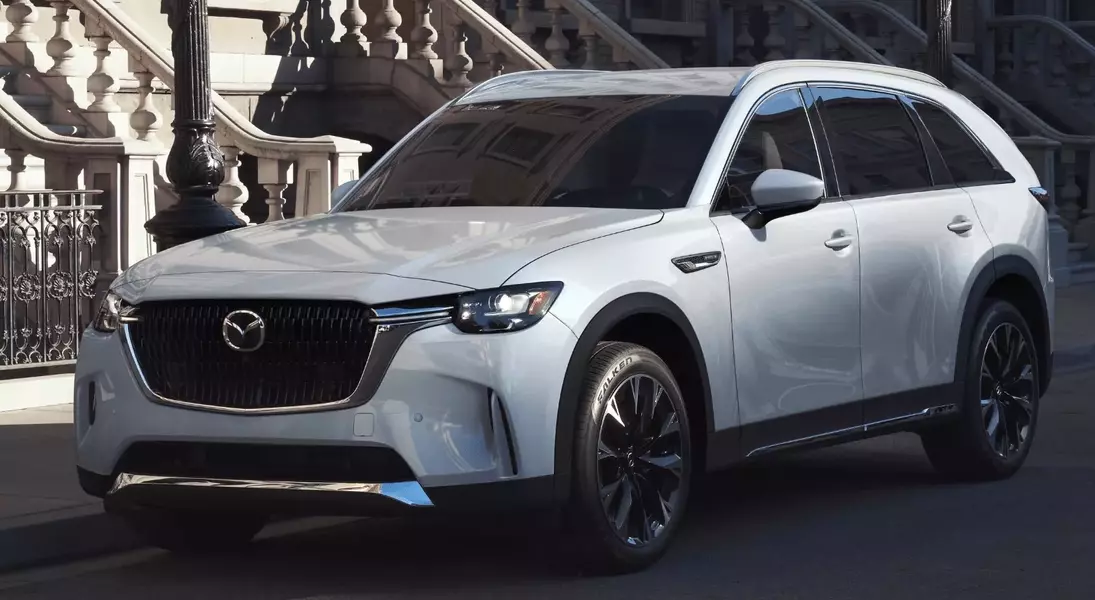
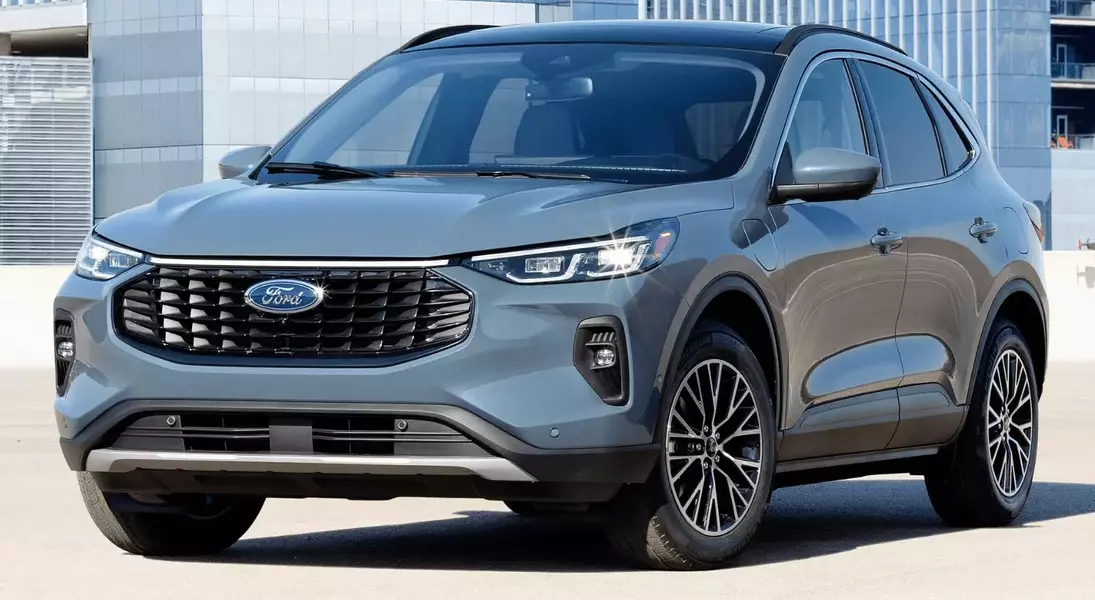
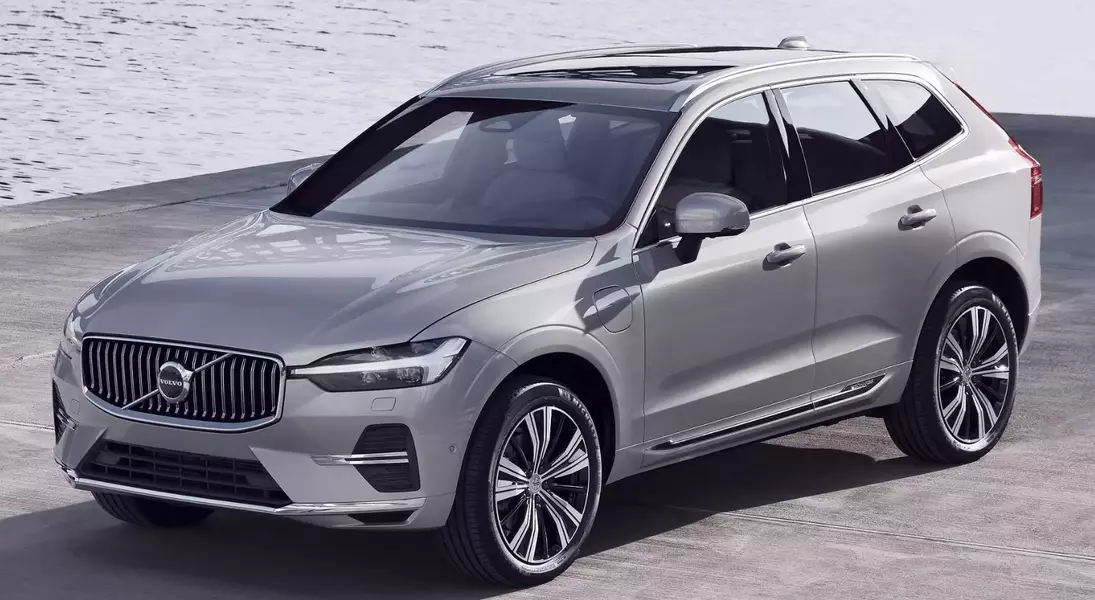
In a detailed survey encompassing approximately 380,000 vehicles spanning model years 2000 through 2025, Consumer Reports (CR) meticulously compiled data revealing critical reliability shortcomings in several prominent PHEV models. Published on December 28, 2025, the report specifically points to the Ford Escape PHEV, various Jeep 4xe models (Wrangler and Grand Cherokee), the Mazda CX-90 PHEV, and the Volvo XC60 PHEV as experiencing a disproportionate number of mechanical and electrical faults.
Among compact SUVs, the Ford Escape PHEV was identified as the least reliable, with owners frequently reporting problems related to the EV battery, its cooling system, charging mechanisms, and auxiliary electrical components. Beyond the hybrid-specific issues, concerns also emerged regarding the steering, suspension, and climate control systems.
Stellantis's Jeep Wrangler and Grand Cherokee 4xe models also faced severe criticism. Owners detailed extensive malfunctions within the 4xe hybrid system itself, including battery stalling and electric motor failures. Several accounts highlighted prolonged periods of vehicle inoperability, with one owner describing their vehicle as 'bricked' for nearly half a year. Regulatory bodies, such as NHTSA, have also addressed these issues, initiating recalls due to instances of sudden power loss.
Shifting to larger vehicles, the Mazda CX-90 PHEV was singled out as the least dependable in the full-size SUV category. This contributed to Mazda's decline in CR's overall reliability rankings. The CX-90 PHEV suffered from a broad spectrum of defects, including issues with the EV battery, electric motor, engine electrical system, transmission, drivetrain, fuel system, climate controls, steering, suspension, brakes, electrical accessories, body hardware, in-car electronics, and even cosmetic problems like paint and trim quality.
In the luxury segment, the Volvo XC60 PHEV garnered unfavorable attention for problems affecting its electrical accessories, climate system, drivetrain, electric motor, and EV battery. One particularly troubling anecdote described an XC60 PHEV entering 'snail mode' (limp mode) shortly after purchase, severely limiting its speed and functionality.
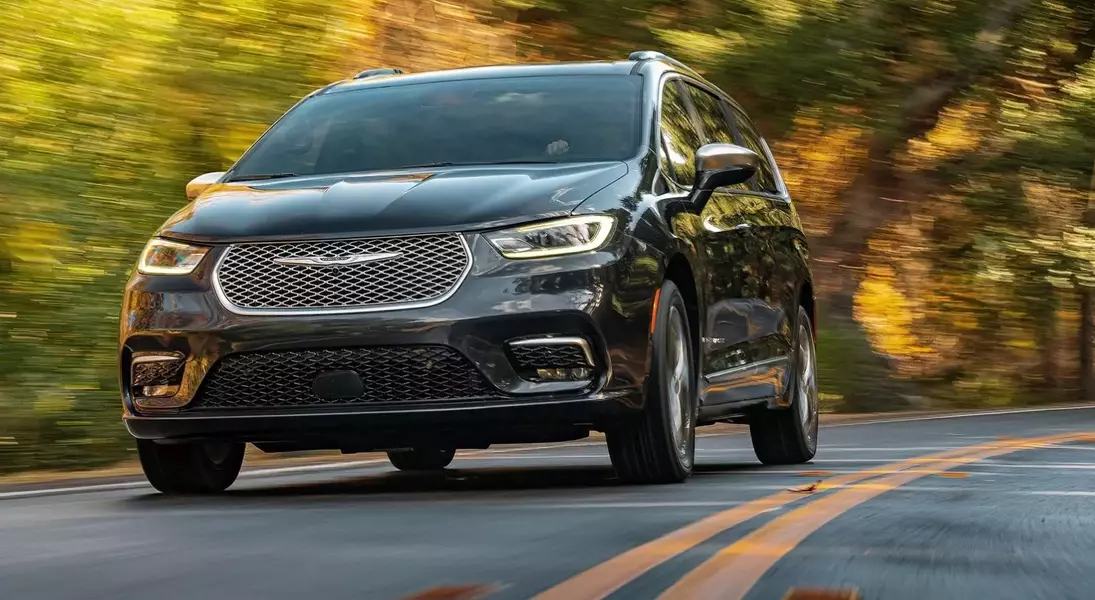
Even the Chrysler Pacifica PHEV, unique as the sole plug-in hybrid minivan in the U.S. market, encountered a range of issues. Owners reported difficulties with the transmission, engine, in-car electronics, electrical accessories, EV charging, and battery cooling. These findings underscore a broader challenge across diverse vehicle segments.
As several major automotive manufacturers, including Volvo, begin to re-evaluate their aggressive timelines for transitioning to all-electric fleets, this detailed report from Consumer Reports serves as a critical indicator. It highlights the urgent necessity for automakers to enhance the reliability of their multi-powertrain strategies, particularly concerning PHEVs, to meet consumer expectations and ensure long-term market acceptance.
The findings from Consumer Reports serve as a crucial wake-up call for the automotive industry and prospective buyers alike. While PHEVs promise a bridge between traditional internal combustion engines and fully electric vehicles, offering perceived benefits such as reduced emissions and fuel efficiency, their current reliability record presents a significant hurdle. This report underscores that innovation must be coupled with robust engineering and thorough quality control. For consumers, it emphasizes the importance of diligent research beyond initial eco-friendly appeals, suggesting a need to prioritize proven reliability alongside environmental consciousness when considering future vehicle purchases. Manufacturers must urgently address these systemic issues to restore confidence and ensure the sustainable growth of hybrid electric vehicle technologies.
