


The world of professional football is frequently marked by complex player-club relationships, particularly when star athletes express a desire for new challenges. This narrative often unfolds with dramatic tension, as players navigate their ambitions against contractual obligations and fan expectations. The recent public statements from Alexander Isak concerning his future at Newcastle have ignited widespread discussion, drawing comparisons to similar episodes in football history. These situations highlight the often-unspoken truths about player loyalty, the pursuit of greater opportunities, and the strategic maneuvers employed by clubs and individuals in the high-stakes transfer market. Ultimately, these sagas underscore the transient nature of careers at the highest level and the personal calculus involved in seeking peak performance and financial gain.
High-Profile Player Exits: A Closer Look at Isak's Standoff and Historical Precedents
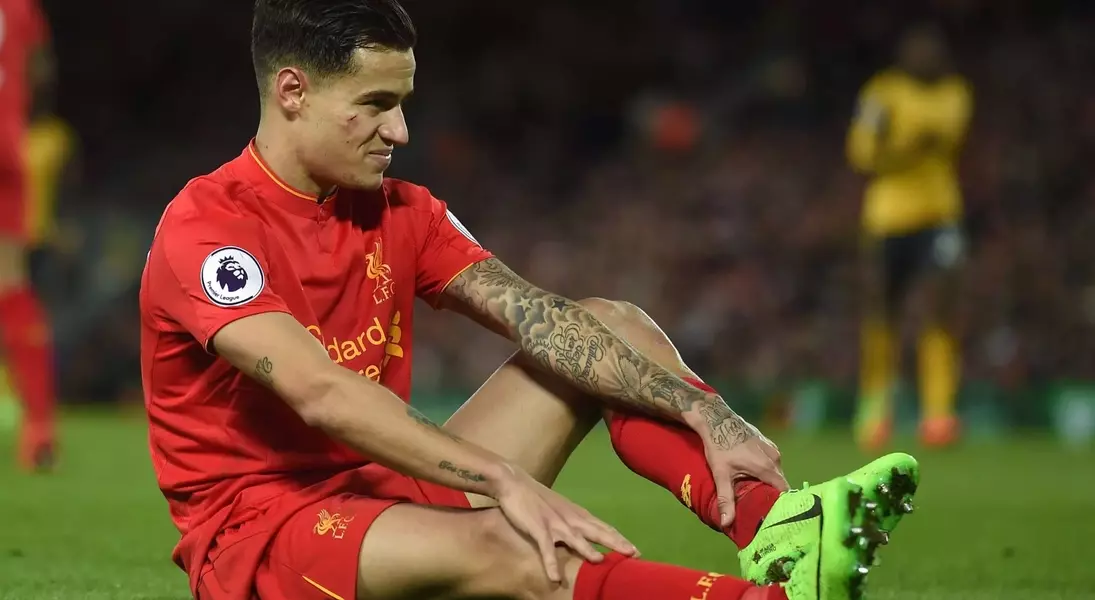
In a notable development on August 20, 2025, Swedish international Alexander Isak, a prominent striker for Newcastle United, publicly expressed his dissatisfaction, hinting at a desire for a move. This bold declaration has sent ripples through the football community, reminiscent of past transfer controversies. One striking parallel can be drawn to the situation involving Brazilian playmaker Philippe Coutinho at Liverpool eight seasons prior. In 2017, following a series of rejected bids from Barcelona, Coutinho reportedly experienced a mysterious back ailment, keeping him off the pitch. Despite initial internal apprehension from then-manager Jürgen Klopp, Liverpool strategically managed the situation, allowing Coutinho to eventually depart for Barcelona in the January transfer window after a period of reintegration and even captaincy duties. Unlike Isak’s very public stance, Coutinho’s discontent, while leading to a transfer request via email, was largely kept out of the public eye, facilitating a smoother transition.
Another significant comparison involves Dutch defender Virgil van Dijk. In 2017, while at Southampton, Van Dijk’s desire to move to Liverpool led to a well-publicized standoff, with reports of him training in isolation to force his departure. Despite the initial acrimony with Southampton manager Mauricio Pellegrino, Van Dijk ultimately secured his move to Anfield and has since become a highly decorated captain, leading Liverpool to major titles. These historical examples suggest that while a player’s public display of discontent can create immediate friction and reputational challenges, it often proves to be a strategic, albeit controversial, step towards achieving career aspirations. For players like Isak, who hail from outside the local footballing culture, the emotional ties to a club may be less pronounced, making the pursuit of higher-tier opportunities with champion clubs like Liverpool, particularly with the prospect of Champions League football and enhanced financial terms, an understandable, if audacious, career move. The narratives of players like Erling Haaland and Jude Bellingham, who seamlessly transitioned from respected clubs to European giants, exemplify a more streamlined path, yet Isak's journey, marked by earlier struggles in Germany, presents a unique backdrop to his current assertive stance.
From a journalist's perspective, these recurring sagas of player disgruntlement and high-stakes transfers offer a fascinating glimpse into the human element of professional sports. While fan bases often demand unwavering loyalty, it’s crucial to acknowledge that footballers, like professionals in any demanding field, operate within a finite career window. Their decisions, though sometimes appearing selfish or disloyal, are often driven by a rational assessment of their prime years, potential earnings, and the ambition to compete at the highest echelons. The “no d**head” policies often touted by clubs can sometimes overlook the uncomfortable truth that highly driven, even difficult, personalities can be the very ones who deliver crucial victories. Therefore, rather than condemning players for seeking greener pastures, perhaps a more pragmatic approach from clubs and fans alike would be to anticipate and manage such transitions with an understanding of the competitive and often cutthroat nature of modern football. It’s a mucky business, as the saying goes, and sometimes, players must be willing to get their hands dirty to carve out their desired legacy.
