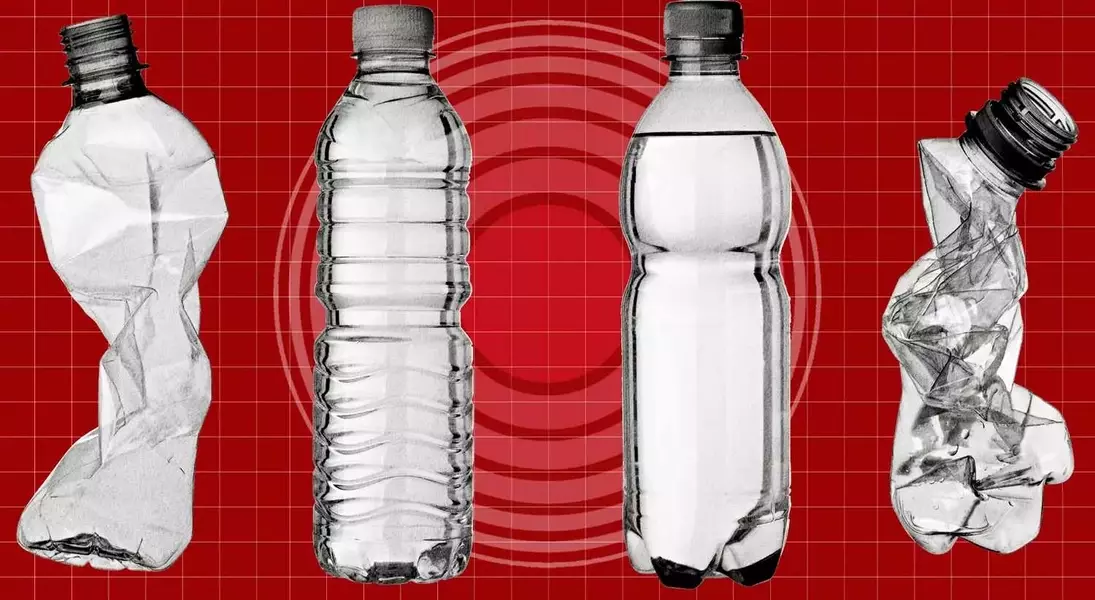
A recent review of scientific literature has illuminated potential health hazards associated with single-use plastic water bottles. The study suggests that microscopic plastic particles, known as nanoplastics and microplastics, can leach into the water we drink from these bottles. Once ingested, these particles may permeate various organs, including the brain and liver, potentially contributing to a range of chronic health conditions. This research underscores the importance of being mindful about our hydration choices and considering alternatives to disposable plastic containers.
New Research Reveals Plastic Particles in Bottled Water Pose Health Risks
In an effort to understand the implications of plastic water bottles on human health, researchers at Concordia University in Montreal, Canada, conducted a comprehensive review of existing scientific literature. Their findings, published in the Journal of Hazardous Materials, consolidate evidence from over 141 studies focusing on nanoplastic contamination in single-use plastic water bottles.
The study highlights several key concerns: Firstly, the size of plastic particles significantly influences their potential harm; smaller nanoplastics can more easily enter the bloodstream and accumulate in vital organs, presenting a higher risk compared to larger microplastics or macroplastics. Secondly, the research indicates a notable difference in plastic ingestion between consumers of bottled water and tap water. Individuals who frequently drink bottled water may ingest up to 90,000 more microplastic particles annually than those who primarily drink tap water. Thirdly, the accumulation of these nano- and microplastics within the body is linked to increased risks of chronic health issues, including respiratory ailments, reproductive problems, neurotoxicity, and an elevated cancer risk.
The study also notes that environmental factors exacerbate the release of these particles. Exposure to sunlight and physical handling, such as squeezing the bottle or repeatedly opening and closing the cap, can increase the leaching of microplastics into the water. While acknowledging limitations in some of the reviewed studies, such as small sample sizes and inconsistent lab conditions, the overall consensus points to a need for greater awareness regarding plastic water bottle usage.
The ubiquity of plastic in modern life has brought unprecedented convenience, yet this convenience often comes with hidden costs. This study serves as a crucial reminder that our daily choices, particularly concerning the containers we use for water, can have profound effects on our long-term health. While the complete eradication of plastic from our lives may be impractical, making informed decisions, such as opting for reusable glass or stainless steel water bottles, can significantly mitigate potential health risks. It is essential to weigh the benefits of convenience against the imperative of safeguarding our well-being.
