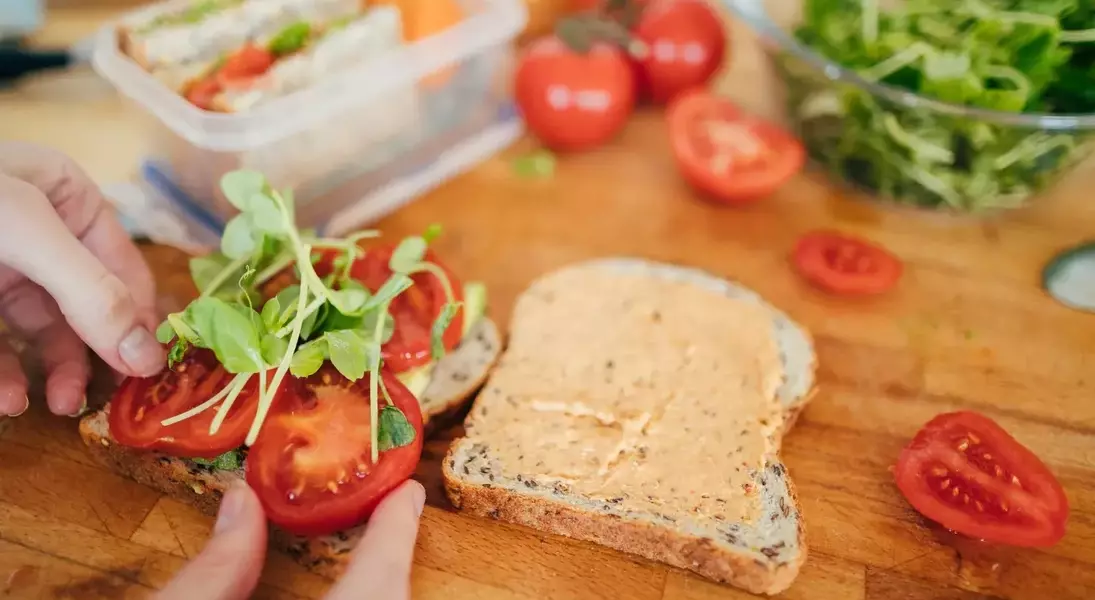
Reducing sodium in your diet doesn't have to mean sacrificing taste. Many common condiments contribute significantly to daily sodium intake, with some sauces containing nearly half of the recommended daily limit in a single tablespoon. However, a variety of delicious, dietitian-approved alternatives can elevate your dishes while supporting heart health and blood pressure management. By opting for these low-sodium choices, whether homemade or carefully selected from stores, you can enjoy flavorful meals without the hidden salt.
Tzatziki, a classic Mediterranean dip, is highlighted for its fresh taste and versatility. Registered dietitian Paula Lescure praises tzatziki's ability to complement grain bowls, sandwiches, and meats. Its natural low-sodium content, coupled with the nutritional benefits of cucumber and protein-rich Greek yogurt, makes it an excellent choice for a heart-healthy diet. Preparing tzatziki at home further ensures control over its sodium levels, offering a guilt-free way to add a creamy, tangy element to your meals.
Guacamole also stands out as a nutritious, low-sodium condiment. Typically containing around 50 mg of sodium per tablespoon, it provides a good source of potassium, which is essential for maintaining healthy blood pressure, as advocated by the DASH diet. Avocados, the main ingredient in guacamole, are packed with healthy fats that contribute to overall cardiovascular well-being. This makes guacamole a smart addition to sandwiches, salads, or as a flavorful dip.
Pesto, with its vibrant blend of basil, pine nuts, and olive oil, offers a flavorful punch with minimal sodium. It's a fantastic accompaniment for pasta, sandwiches, and various proteins, enriching them with healthy fats and essential vitamins A, E, and K. Lescure notes its popularity even among children, making it an effective way to incorporate vegetables into their diet. Making pesto from scratch is particularly beneficial for meticulously managing sodium content.
Hummus, a beloved spread made from chickpeas, olive oil, and tahini, is another excellent low-sodium option. It's rich in plant-based fiber, protein, potassium, and iron, contributing to a balanced diet. While many commercial varieties are already low in sodium, crafting your own hummus at home allows for complete control over ingredients and sodium levels, ensuring a fresh and healthy addition to any meal.
Salsa, whether chunky or smooth, sweet or spicy, is a dynamic condiment that can transform any dish. Store-bought salsas typically contain around 105 mg of sodium per tablespoon, but homemade versions can significantly reduce this. It pairs wonderfully with tortilla chips, tacos, quesadades, or even omelets, offering a fresh and zesty flavor without relying on excessive salt.
Mustard is a traditional condiment that fits well into a low-sodium diet. Most store-bought mustards are relatively low in sodium, providing about 165 mg per tablespoon. For those aiming to further reduce sodium, low- or zero-sodium mustard options are readily available, delivering the characteristic sharp flavor without the added salt. Balsamic vinegar serves as an excellent low-sodium alternative to high-sodium sauces like soy sauce, containing less than 4 mg of sodium per tablespoon compared to nearly 900 mg in soy sauce. Its tangy profile makes it perfect for drizzling over salads, roasted vegetables, or grilled meats, adding depth of flavor.
Chimichurri, a bright and herbaceous sauce made with parsley or cilantro, garlic, vinegar, and olive oil, is naturally low in sodium and rich in antioxidants and vitamins C and K. This versatile condiment enhances grilled meats, fish, roasted vegetables, and grain bowls, proving that bold flavors don't require high sodium. When selecting condiments, it's crucial to be mindful of hidden sodium. Dietitians advise checking food labels for sodium content, aiming for products with 140 mg or less per serving. Preparing condiments at home provides the greatest control over ingredients. Additionally, requesting dressings and sauces on the side when dining out allows you to manage your intake effectively. Incorporating potassium-rich foods like sweet potatoes and beans into your diet can also help mitigate the effects of sodium, further supporting a heart-healthy lifestyle.
