This article critically examines the phenomenon of unsuccessful comedy sequels in the 2010s, using Ben Stiller's "Zoolander 2" as a central case study. It delves into the factors that led to the film's commercial and critical failure, attributing it to a misplaced reliance on nostalgia, an abundance of celebrity cameos, and a departure from the comedic essence that made the original films successful. The piece also contextualizes "Zoolander 2" within a broader trend of declining theatrical comedy, exploring how similar missteps plagued other sequels of the era and contributed to the genre's struggles to resonate with modern audiences.
Why Nostalgia Alone Can't Save a Comedy Sequel
Ben Stiller's Reflection on "Zoolander 2"'s Reception
In a candid interview on David Duchovny's podcast, Ben Stiller openly discussed the profound impact of "Zoolander 2"'s lukewarm reception on his career. He confessed to approaching the project with the belief that it was a highly anticipated return, only to be confronted with its commercial and critical disappointment. This experience prompted him to question his comedic instincts, leading to a significant shift in his professional focus towards directing critically acclaimed dramatic series such as "Escape at Dannemora" and "Severance." His personal introspection highlights the inherent risks and emotional toll associated with revisiting beloved comedic franchises.
The Broader Challenge of Comedy Sequels in the 2010s
The failure of "Zoolander 2" was not an isolated incident but rather a symptom of a larger trend that plagued Hollywood in the 2010s: the struggle of comedy sequels. During this decade, many studios attempted to revive classic comedies like "Anchorman," "Dumb and Dumber," and "The Hangover" with follow-up films that largely failed to live up to the originals. As streaming services began to erode the traditional box office success of theatrical comedies, Hollywood increasingly turned to nostalgia and star-studded casts as a quick solution. However, these efforts often overlooked the fundamental elements that made the initial films successful, leading to a series of underwhelming productions that left audiences and critics disappointed.
"Zoolander 2"'s Narrative and Comedic Approach
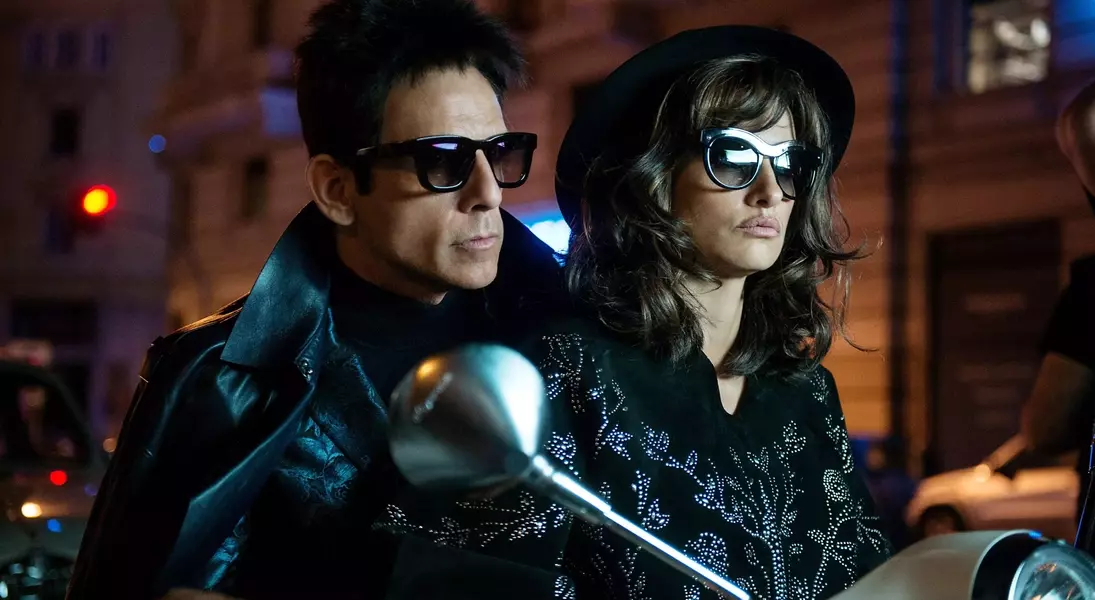
Released 15 years after the original cult hit, "Zoolander 2" saw Ben Stiller reprise his role as the endearingly dim-witted supermodel Derek Zoolander, alongside Owen Wilson as Hansel. The plot involved the duo being drawn into an Interpol conspiracy tied to the assassinations of high-profile, attractive individuals. The film heavily leaned on celebrity appearances and satirical elements targeting the fashion world, aiming to replicate the absurd charm of its predecessor. However, this approach ultimately contributed to its downfall, as it struggled to evolve beyond the original's formula.
A Shift in Comedic Strategy: Callbacks Over Core Humor
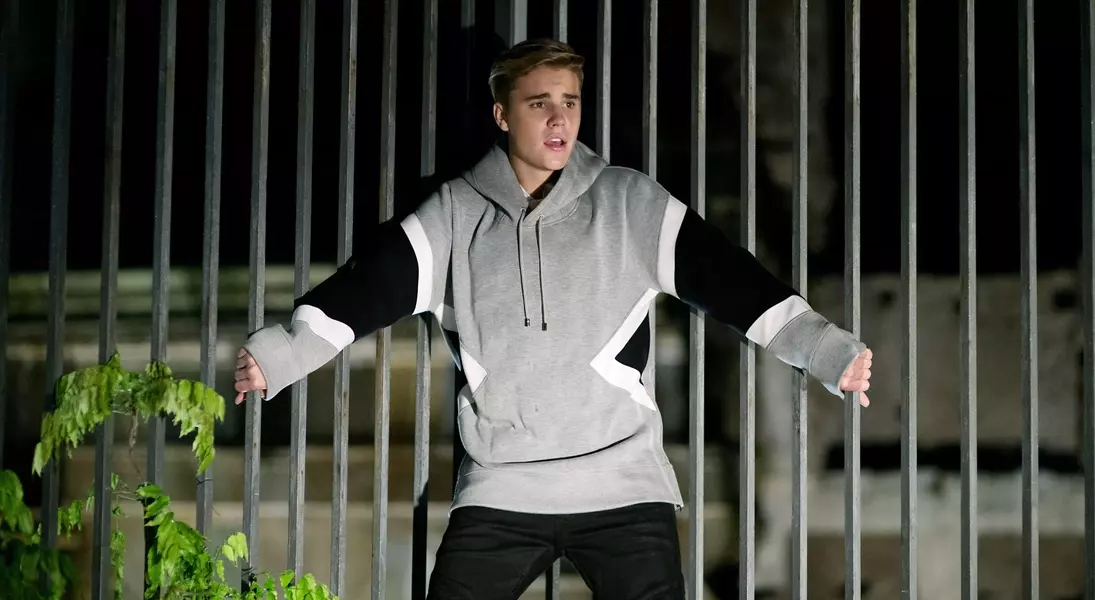
The sequel's opening scene, featuring Justin Bieber's early demise, immediately anchored "Zoolander 2" to the specific cultural landscape of the mid-2010s. From the outset, Stiller signaled a departure from the intentionally naive humor that defined the first film. Instead, the sequel attempted to modernize its comedic formula by emphasizing callbacks and cameos, a strategy that Hollywood at the time mistakenly believed was the key to contemporary comedy success. This shift, however, diluted the original's unique brand of humor, replacing genuine wit with superficial references.
The Dilution of Cameos: Quality Versus Quantity
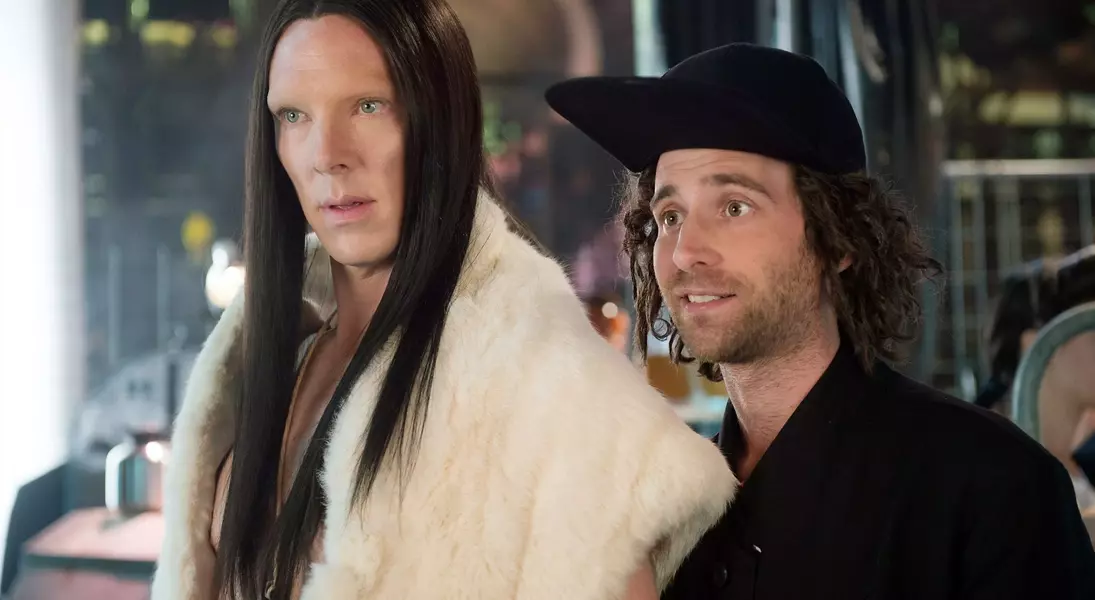
While the original "Zoolander" skillfully integrated cameos from figures like Billy Zane and David Bowie, giving their appearances meaningful roles within the narrative, "Zoolander 2" adopted a different approach. The sequel brought back familiar faces such as Zane, the foam latte assistant, and even the Evil DJ, but their presence often felt like mere fan service rather than substantive contributions. This emphasis on recognizing past elements over developing fresh comedic moments contributed to a sense of hollowness, failing to recapture the organic integration of its predecessor.
Loss of the Original's Humorous Core
The genius of the first "Zoolander" lay in its portrayal of Derek and Hansel as clueless individuals navigating an otherwise ordinary world, their exaggerated personalities serving as a sharp satire of the fashion industry's eccentricities. In the sequel, however, the entire world around them becomes equally absurd, effectively neutralizing the comedic contrast. This blurring of lines, coupled with an excessive number of celebrity appearances, transformed the film from a clever parody of reality into a parody of itself, losing its critical edge and comedic impact.
Echoes of Failure: Other Comedy Sequels of the Era
The issues seen in "Zoolander 2" were mirrored in other comedy sequels of the period. "Anchorman 2" (2013) suffered from an overstuffed cast and an extended runtime, while "Dumb and Dumber To" (2014) misconstrued its characters' core appeal, focusing on their cruelty rather than their endearing cluelessness. Many comedies from this era, exemplified by the widely panned "Movie 43," prioritized celebrity appearances over genuine humor, demonstrating a prevalent misunderstanding of what makes a comedy truly successful. These films collectively highlight a pattern of superficiality and a failure to understand the comedic foundations of their predecessors.
The Decline of Theatrical Comedies and a Path Forward
Ultimately, "Zoolander 2" became emblematic of the gradual decline of theatrical comedies. It represents a production that opted for brand recognition and played it safe, rather than taking creative risks. Like many of its contemporaries, it succumbed to the trend of overloading with cameos, a tactic that had already begun to lose its appeal. In doing so, it strayed from the sharp, specific humor that made the original so effective. Instead of striving to create a superior sequel, Hollywood prioritized familiarity, mistakenly believing that nostalgia alone would suffice. In today's entertainment landscape, where humor is increasingly diverse, theatrical comedies face greater challenges than ever. While there's no single solution to revitalizing the genre, a return to foundational comedic principles, much like what "Zoolander 2" should have embraced, may be the key to its resurgence.
