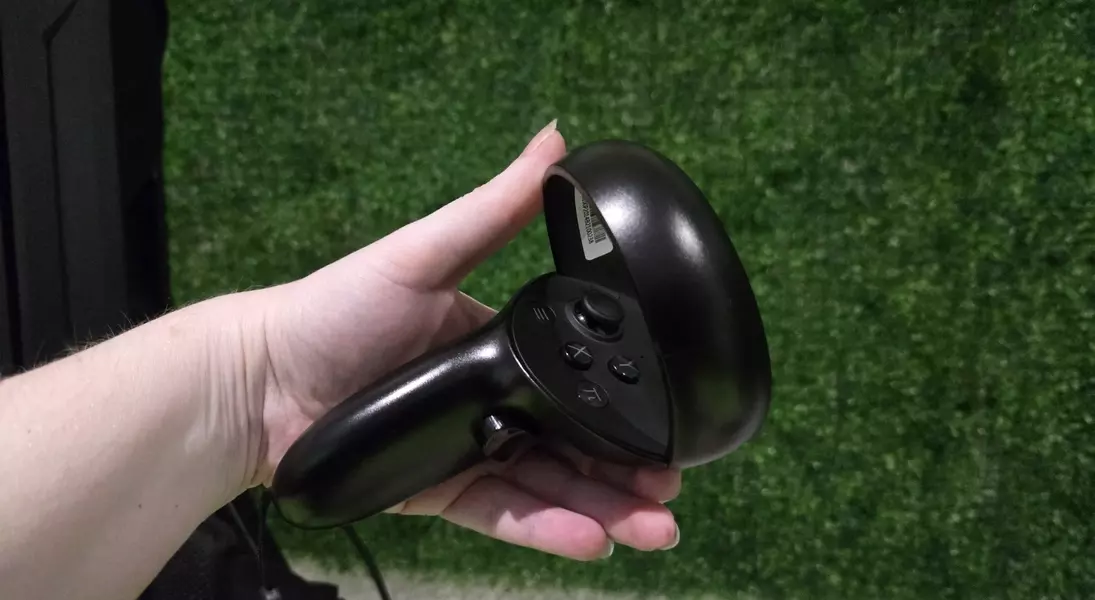
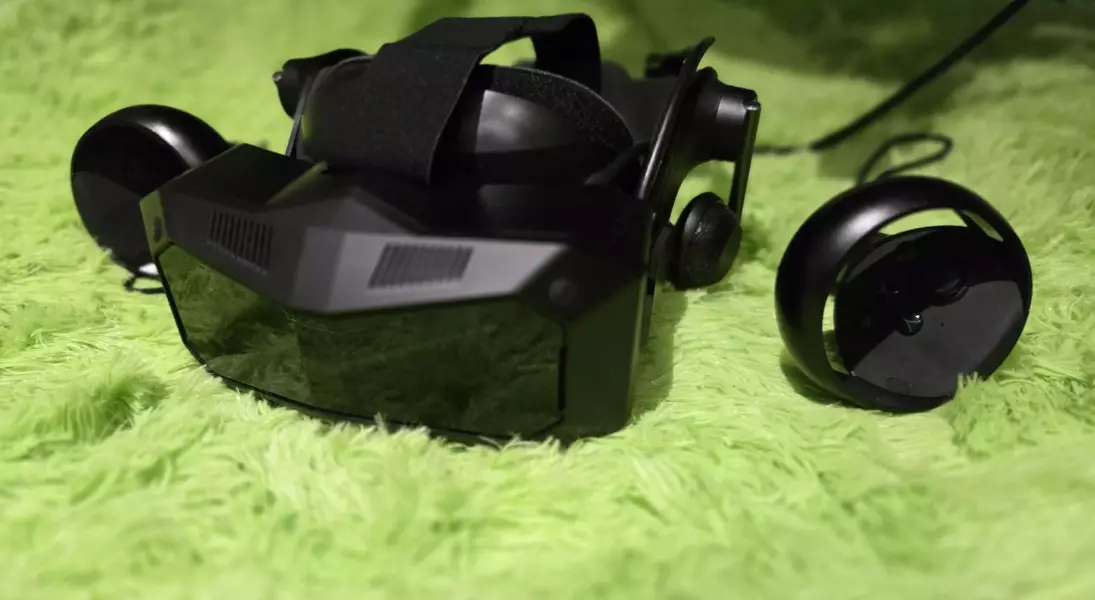
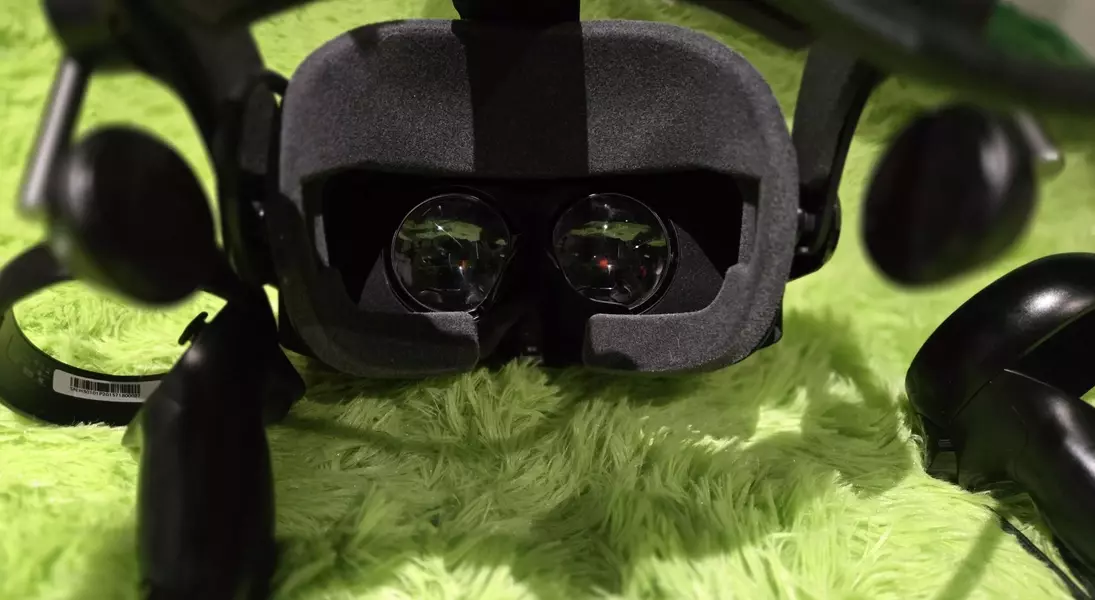
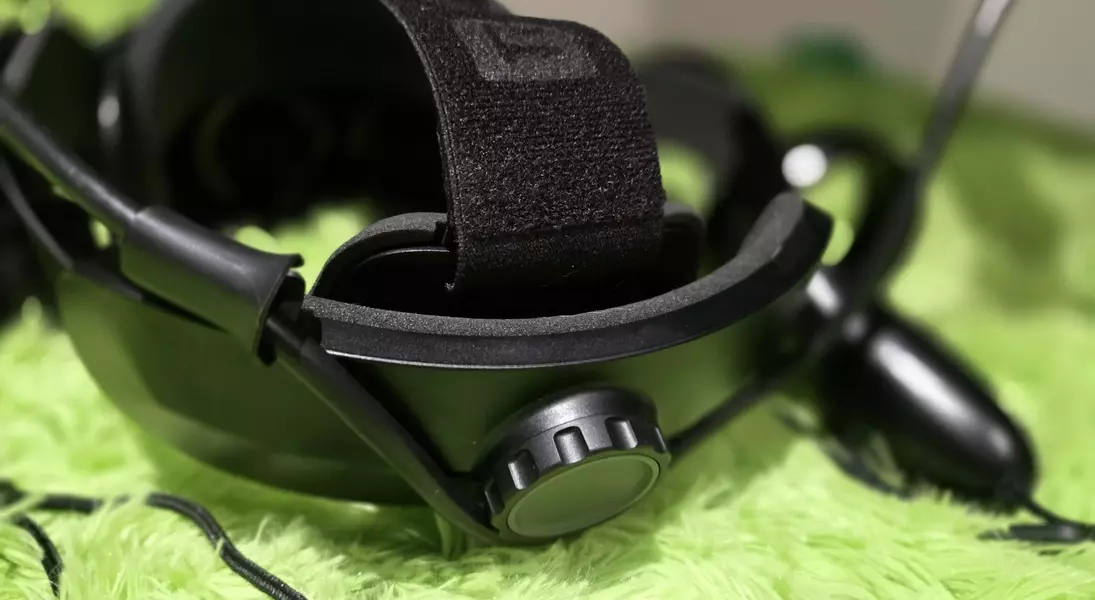
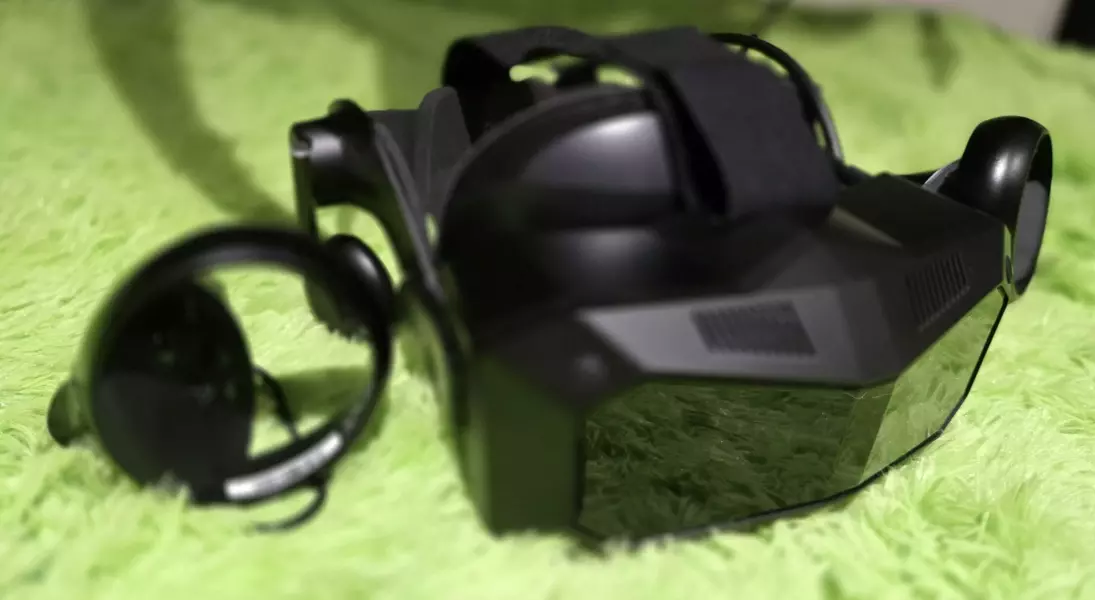
The Pimax Crystal Super stands out in the virtual reality landscape for its exceptional visual capabilities and expansive field of view, delivering an immersive experience that redefines engagement, particularly for simulation genres. However, these advanced features come with notable compromises: the headset's considerable weight and its stringent demands on computing power mean it caters to a very specific segment of the market. Its high cost further positions it as a premium device for dedicated enthusiasts who are prepared to invest significantly in both the headset and the necessary high-end PC infrastructure. While it delivers remarkable graphical precision and consistent operational stability, its physical bulk hinders prolonged use and energetic gameplay, making it best suited for sedentary VR applications.
The Pimax Crystal Super delivers a stunning visual experience thanks to its high-resolution display and wide field of view, which contribute to an immersive virtual environment. Yet, its hefty design and premium price point of approximately $2,000 necessitate a powerful gaming PC, ideally with a graphics card equivalent to or better than an RTX 4080, to fully unlock its potential. While the device boasts a comfortable fit and effective adjustability, its weight becomes a noticeable factor during extended or active use, limiting its appeal for dynamic VR games. Despite minor visual imperfections like screen-door effect and chromatic aberration in certain scenarios, the headset generally offers a breathtaking virtual experience for those with the right setup and tolerance for its physical demands.
Unmatched Visuals and Immersion in Virtual Reality
The Pimax Crystal Super redefines the benchmark for visual fidelity and immersive virtual reality experiences. With its extraordinarily high-resolution displays and an expansive 140-degree horizontal field of view, this headset plunges users into virtual worlds with unprecedented clarity and breadth. Imagine soaring through digital skies or navigating detailed race tracks; the visual precision is so profound that it blurs the line between virtual and reality, making you almost forget the physical world around you. This capability is particularly transformative for simulation games, where detailed environments and realistic perspectives are crucial. The consistent 90 Hz refresh rate further enhances the fluid motion, contributing to a seamless and captivating visual journey that stands apart from many contemporary VR devices.
The Pimax Crystal Super's advanced display technology and broad field of vision are its crowning achievements, creating a deeply engaging virtual reality environment. The sheer detail and panoramic scope available to the user make it an ideal choice for enthusiasts of flight simulators, racing games, and other seated virtual experiences where visual realism is paramount. The headset's ability to render scenes with such sharpness and depth contributes to a powerful sense of presence, allowing users to feel genuinely connected to the virtual world. While minor visual anomalies like occasional screen-door effect or chromatic aberration may be observed in static screens, these imperfections largely recede once the user is actively engaged in gameplay, overridden by the overwhelming sense of immersion provided by its superior visual output. This makes the Pimax Crystal Super a formidable option for those prioritizing visual excellence in their VR adventures.
Ergonomics and Performance: Balancing Comfort with Power
The Pimax Crystal Super, while technologically impressive, presents a significant challenge in terms of its physical design and system requirements. Its substantial weight, exceeding one kilogram with the integrated speaker module, is a recurring concern for users, especially during prolonged or highly active gameplay sessions. Despite its thoughtful adjustable design, which includes a comfortable head strap and plush face rests, the sheer bulk inevitably leads to physical strain on the neck, limiting the duration of comfortable use. This design choice highlights a trade-off: unparalleled visual quality comes at the cost of ergonomic comfort for dynamic VR experiences. Furthermore, the headset demands a high-end PC, with a minimum recommendation of an RTX 2070 and optimal performance achieved with an RTX 4080 or better, making it inaccessible to users with mid-range systems and adding to the overall investment.
While the Pimax Crystal Super excels in delivering spectacular visuals, its practical application is significantly influenced by its considerable weight and the necessity for a high-performance computer. The headset's robust construction and thick cables contribute to its durability but also its heaviness, which can quickly cause discomfort, particularly in games requiring rapid head movements, such as rhythm games. This means that while the visual immersion is profound, the physical strain often dictates shorter play sessions. Moreover, the steep hardware requirements mean that casual VR users or those with older systems will find themselves facing an additional, substantial upgrade cost to fully utilize the headset's capabilities. This combination of physical bulk and high system demand positions the Pimax Crystal Super as a premium, high-fidelity option best suited for dedicated simulation enthusiasts who possess both the financial means and a robust computing setup to accommodate its specific needs.
