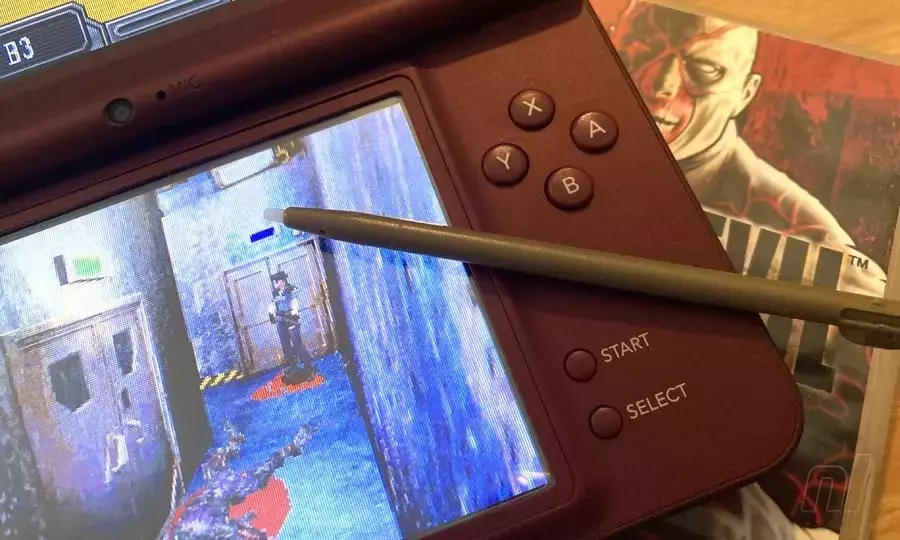
Twenty years ago, a significant moment occurred in the world of survival horror gaming with the release of Resident Evil: Deadly Silence in Japan. This Nintendo DS rendition sought to miniaturize the terrifying atmosphere of the original Resident Evil for a portable audience, a feat that generated considerable excitement among fans.
However, despite the initial anticipation and the inclusion of new features like a 180-degree quick turn and a 'Rebirth' mode utilizing the DS's touchscreen, the game's reception was somewhat lukewarm. Critics and players often found the core gameplay, based largely on the 1996 PlayStation version, to be clunky and less engaging in 2006, especially when compared to more modern entries in the series or even updated re-releases of the original. The smaller screen size of the DS also diminished some of the tension inherent in the classic horror experience, leaving many to feel that the port struggled to fully capture the essence of its predecessor.
Nevertheless, for those who exclusively owned a DS, Deadly Silence offered a chance to experience a foundational title in the survival horror genre. Its place in history as an early attempt to bring such a complex game to a handheld platform is undeniable, even if its innovative touchscreen mechanics didn't always hit the mark. It serves as a fascinating example of how developers grappled with adapting beloved console experiences for evolving portable technology, paving the way for future handheld horror endeavors.
Reflecting on this anniversary, Resident Evil: Deadly Silence reminds us that innovation, even when imperfect, contributes to the continuous evolution of gaming. Each attempt, successful or not, fuels creativity and pushes the boundaries of what's possible, fostering a spirit of exploration and progress in the gaming industry.
