This analysis delves into the recent developments within 'X-Men '97' season 2, particularly focusing on the character of Pharaoh Rama-Tut. We trace his comic book origins, his dynamic role in the animated series, and his significant connections to the wider Marvel universe, including his multifaceted identity as Kang the Conqueror. The narrative highlights the profound impact of time travel and alternate timelines on the destinies of key characters like Apocalypse, illustrating how the series skillfully weaves complex comic lore into its storytelling.
The Enigmatic Pharaoh: Rama-Tut's Interdimensional Saga Unfolds
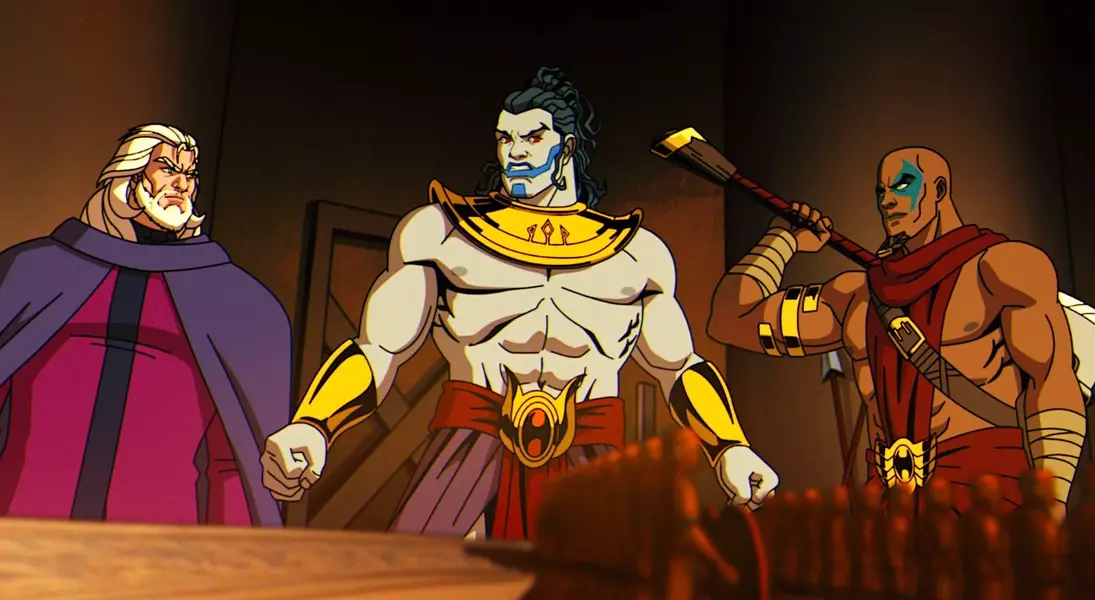
In the recent installments of 'X-Men '97' season 2, the superhero team embarked on a remarkable journey through time, specifically to the cradle of ancient Egypt. There, amidst the timeless sands, they encountered the enigmatic Pharaoh Rama-Tut, a figure poised to profoundly alter the course of mutant history. Voiced by the distinguished John de Lancie, Rama-Tut's portrayal in the series reimagines his origins and motivations, diverging from his comic book introductions to present a fresh, compelling narrative. The episodes titled "Rise of Apocalypse" showcased the X-Men's endeavors to assist the nascent Mutant En Sabah Nur in leading a rebellion against Rama-Tut, an effort spearheaded by Magneto with the hope of guiding Nur away from his fated path as the genocidal villain, Apocalypse.
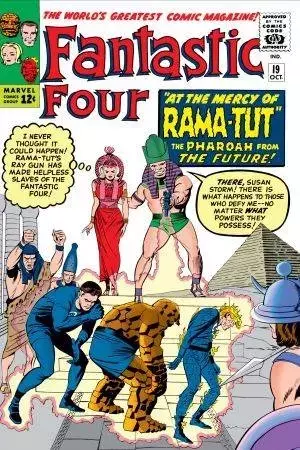
Historically, Rama-Tut, a creation of legendary figures Stan Lee and Jack Kirby, made his debut in a 1963 edition of 'Fantastic Four'. He was revealed to be a time-traveler from a technologically advanced alternate future, Nathaniel Richards, half-brother to Reed Richards. His initial foray into ancient Egypt involved seizing control and influencing its destiny. Later comic arcs, such as Terry Kavanagh and James Felder's 1996 miniseries 'The Rise of Apocalypse', saw Rama-Tut attempting to groom En Sabah Nur as his successor. However, these attempts were thwarted by the Fantastic Four, compelling Rama-Tut to retreat to his own era as Nur fully embraced his identity as Apocalypse.
In a significant twist within 'X-Men '97', the series excludes the Fantastic Four's involvement, recontextualizing Rama-Tut's objectives. His true aim is to commandeer celestial technology for self-apotheosis. Through a psychic interface reminiscent of Cerebro, Rama-Tut attempts to sway Charles Xavier, revealing his multiple identities, including Kang and Victor Timely. Despite Charles's refusal to concede, the Pharaoh's prophetic warnings about Apocalypse's inevitability soon materialize, as Nur transforms into the formidable entity and tragically eliminates his would-be mentor, Magneto, whose efforts to alter Nur's fate prove futile. Executive producer Larry Houston has hinted at further intertwining narratives involving Marvel's pantheon of time-travelers, suggesting deeper connections yet to be revealed.
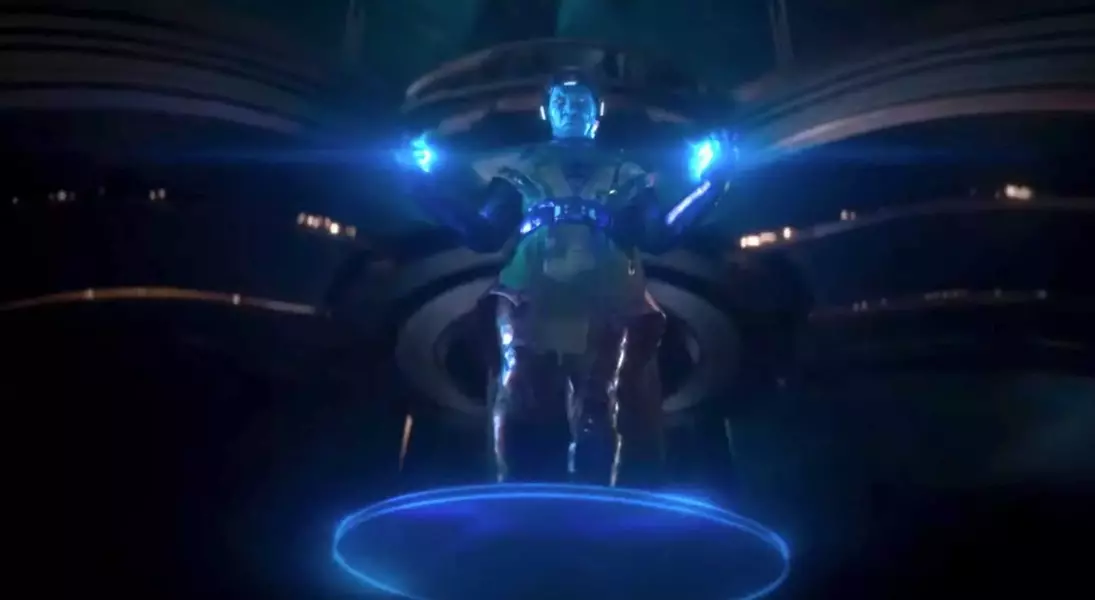
Beyond the animated series, Rama-Tut's most widely recognized incarnation is Kang the Conqueror, a central antagonist in the Marvel Cinematic Universe. Jonathan Majors brought this character to life in 'Loki', where he was introduced as "He Who Remains," the architect of the Time Variance Authority. His demise unchained a multitude of Kang variants, including the Quantum Realm's ruler featured in 'Ant-Man and the Wasp: Quantumania'. The cinematic universe further explored variants like the mild-mannered inventor Victor Timely. While Kang was initially slated for a pivotal role in the MCU's future, legal developments led to a re-evaluation of plans, with 'Avengers: The Kang Dynasty' being re-envisioned as 'Avengers: Doomsday'.
The intricate portrayal of Rama-Tut in 'X-Men '97' offers a fascinating glimpse into the Marvel narrative's capacity for evolution and adaptation. It highlights how classic characters can be reinterpreted to resonate with contemporary audiences while honoring their storied past. The series underscores the enduring appeal of complex villains whose ambitions span across time and dimensions, challenging our heroes and prompting deeper reflections on destiny versus free will.
