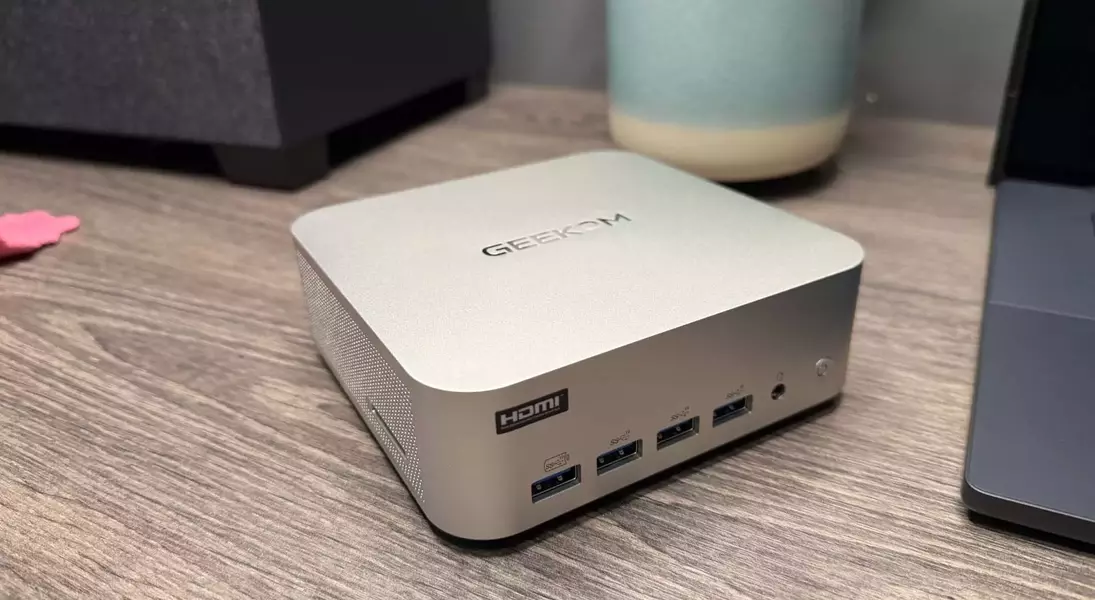
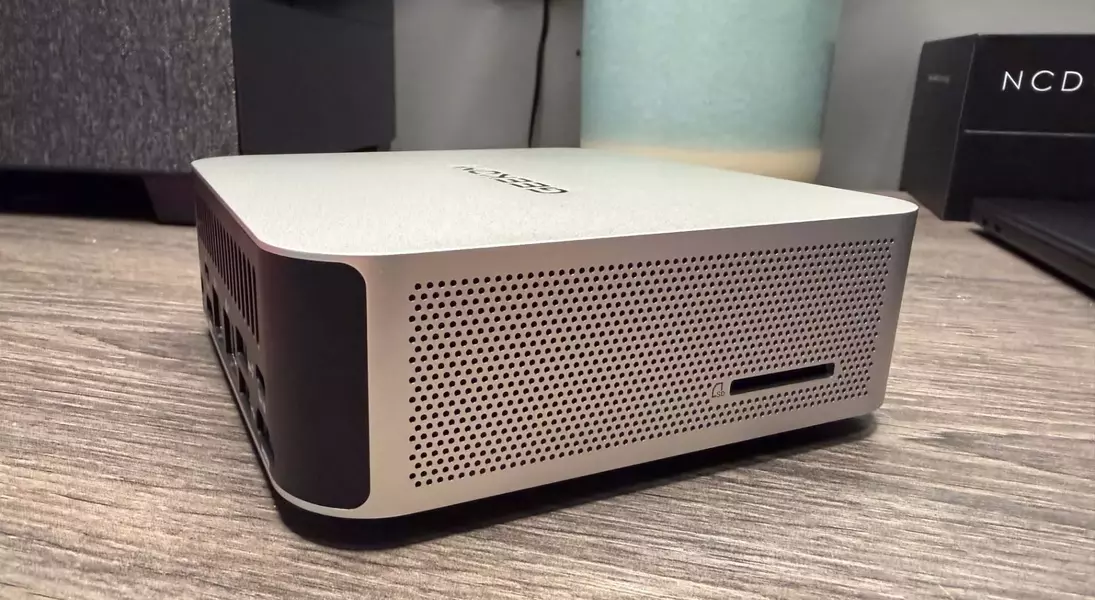
The Geekom A9 Max Mini PC presents a fascinating paradox: a marvel of engineering and design, yet ultimately undermined by a critical component choice. While its compact form factor, robust CPU, and extensive connectivity options are commendable, the decision to equip it with a single stick of RAM drastically cripples its integrated GPU's potential, rendering its real-world performance significantly inferior to much cheaper alternatives. This review delves into the machine's strengths and weaknesses, highlighting how a single design oversight can impact an otherwise promising device.
Geekom A9 Max AI: A Deep Dive into Design, Performance, and a Crucial Flaw
The Geekom A9 Max AI mini PC, unveiled in January this year, stands out with its remarkably sleek aesthetic and formidable internal architecture. At its heart lies the AMD Ryzen AI 9 HX 470 CPU, an updated iteration of the Strix Point (HX 370 series) chip, featuring four Zen 5 cores and eight Zen 5c cores, creating a potent 12-core, 24-thread configuration. Fabricated on TSMC's efficient 4nm process, this processor offers slightly elevated clock speeds and an enhanced NPU, boasting 86 TOPS (Trillions of Operations Per Second) for advanced AI capabilities.
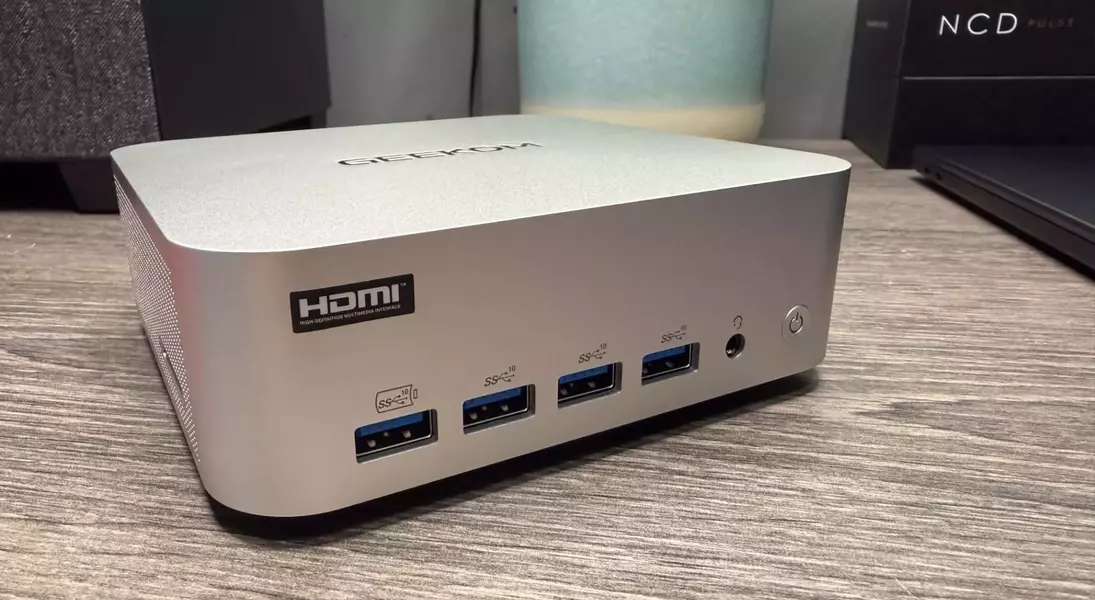
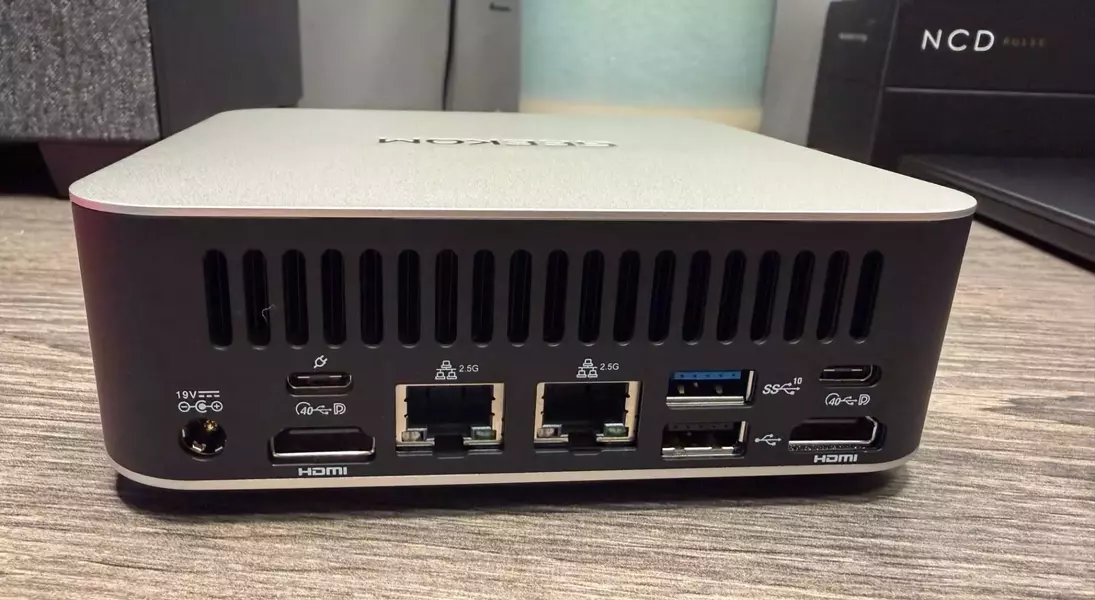
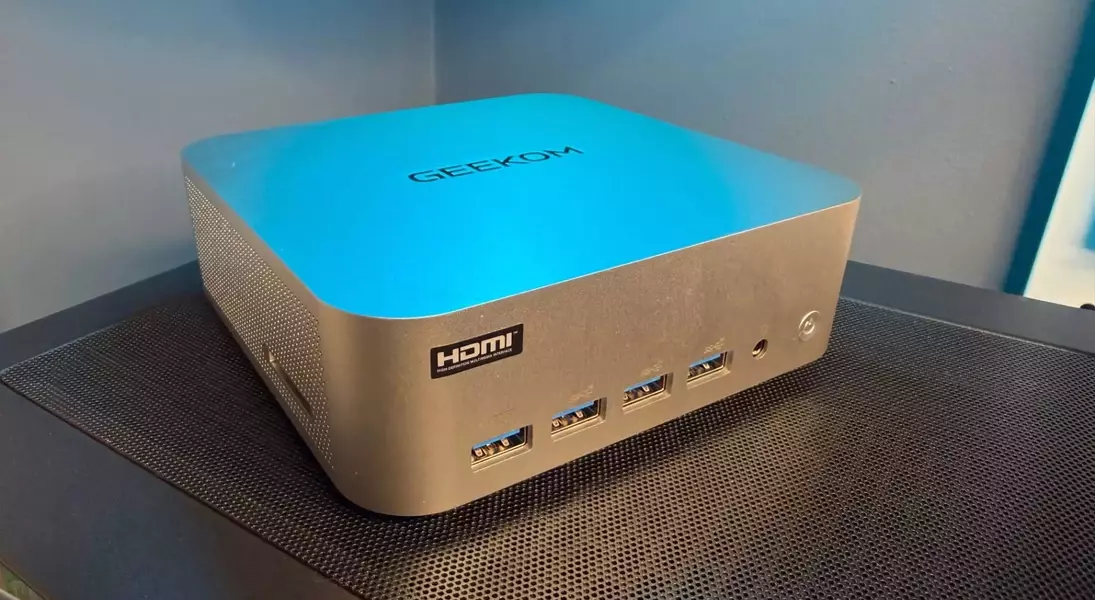
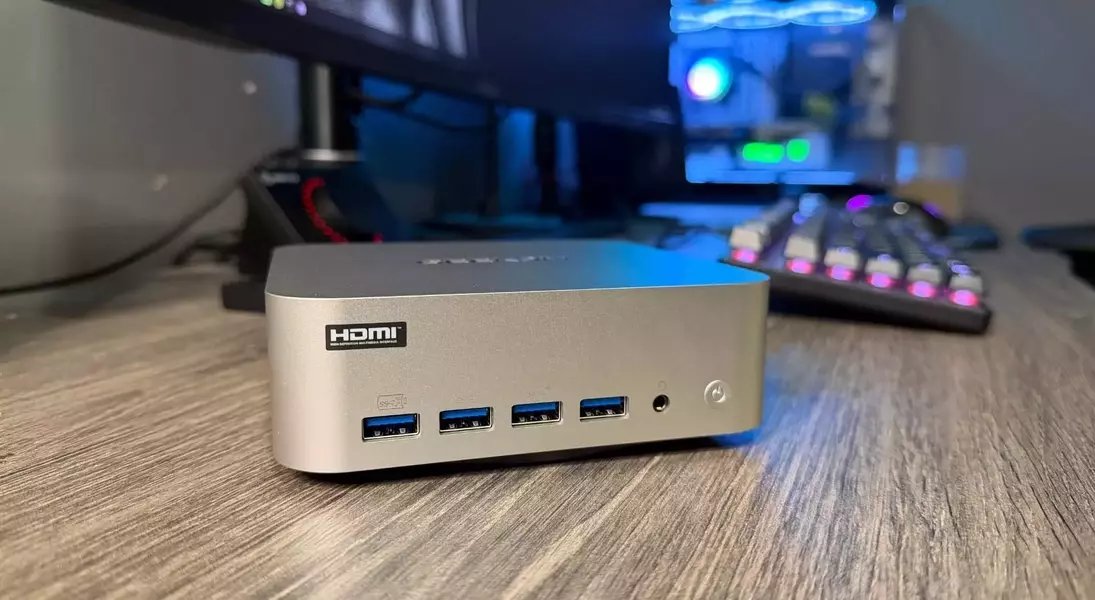
Beyond its processing power, the A9 Max excels in connectivity, making it a strong contender for a lightweight workstation. It offers a comprehensive array of ports, including five USB 3.2 Gen 2 Type-A ports, two USB 4.0 Type-C ports, dual 2.5 Gigabit Ethernet connections, and support for two HDMI 2.1 displays. Wireless capabilities are also robust, with Wi-Fi 7 and Bluetooth 5.4 ensuring modern, high-speed connections.
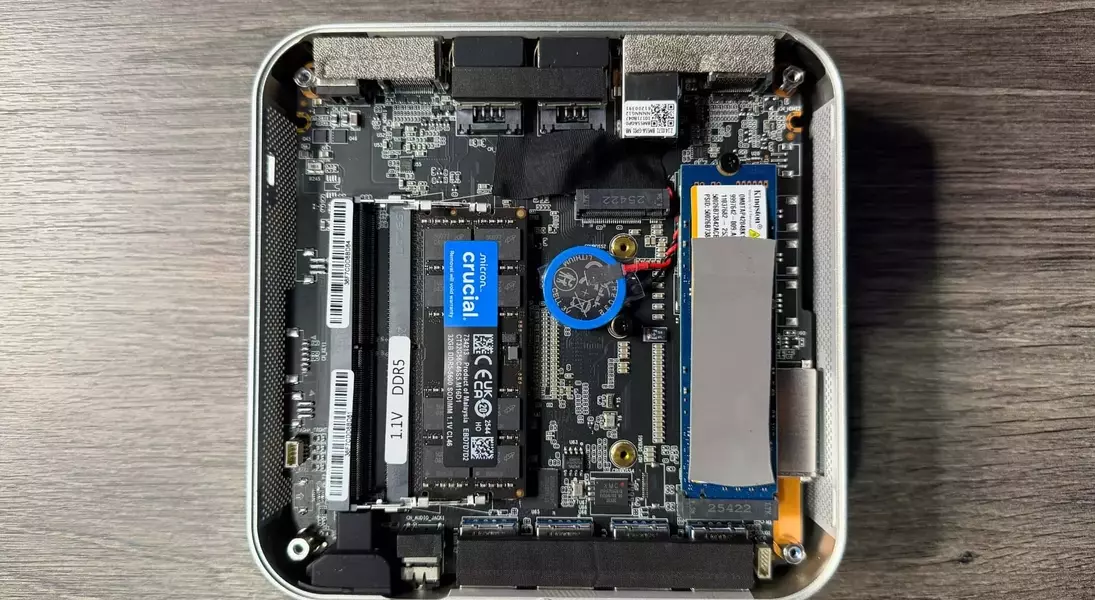
However, the device's Achilles' heel lies in its memory configuration. Geekom opted for a single 32GB DDR5-5600 RAM stick. While seemingly generous in capacity, this single-channel setup severely starves the integrated AMD Radeon 890M GPU of vital memory bandwidth. Comparative testing against the Acemagic Retro X5, a similarly specced mini PC but with dual-channel memory, revealed a dramatic performance disparity. Across multiple gaming titles tested at 1080p on medium settings, the A9 Max delivered an average of just 23.1 frames per second (fps), while the Retro X5 achieved 47.6 fps. Even with upscaling enabled, the A9 Max struggled to keep pace, further emphasizing the detrimental effect of the single-channel memory.
This performance bottleneck isn't limited to gaming. Benchmarks like 7-Zip showed notably slower compression and decompression speeds, and multi-core performance in CineBench also lagged behind. While Geekom suggests this memory choice offers users future upgrade potential by adding a second stick, and claims the performance drop is mostly confined to synthetic benchmarks, real-world testing conclusively disproves the latter. The gaming and general application performance is clearly hampered, making the A9 Max, priced at approximately £1,600 in the UK or $1,800 in the US, a less compelling value proposition compared to other mini PCs that deliver superior performance at a lower cost due to a more optimal memory configuration.
The Geekom A9 Max AI mini PC serves as a stark reminder that even the most innovative designs and powerful components can be compromised by a single, critical design decision. While its CPU and connectivity are top-tier for its class, the choice of single-channel memory for a system with an integrated GPU highlights a significant oversight in balancing raw power with practical performance. For consumers, this translates to a machine that, despite its potential, underperforms in scenarios where memory bandwidth is crucial. This underscores the importance of a holistic approach to system design, where all components are synergistically chosen to maximize overall efficiency and user experience, rather than offering fragmented excellence.
