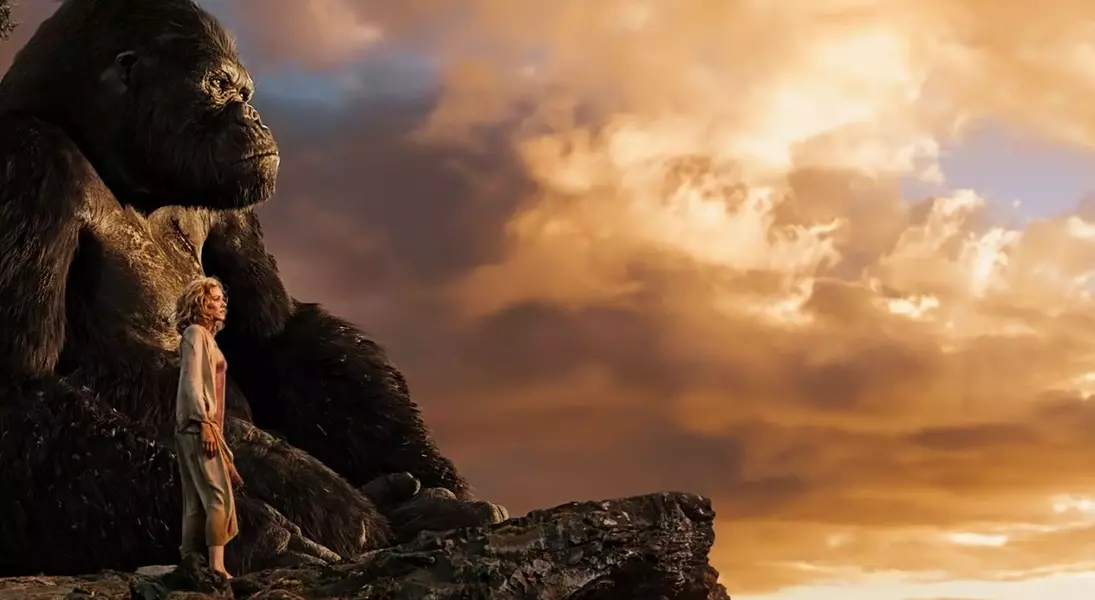
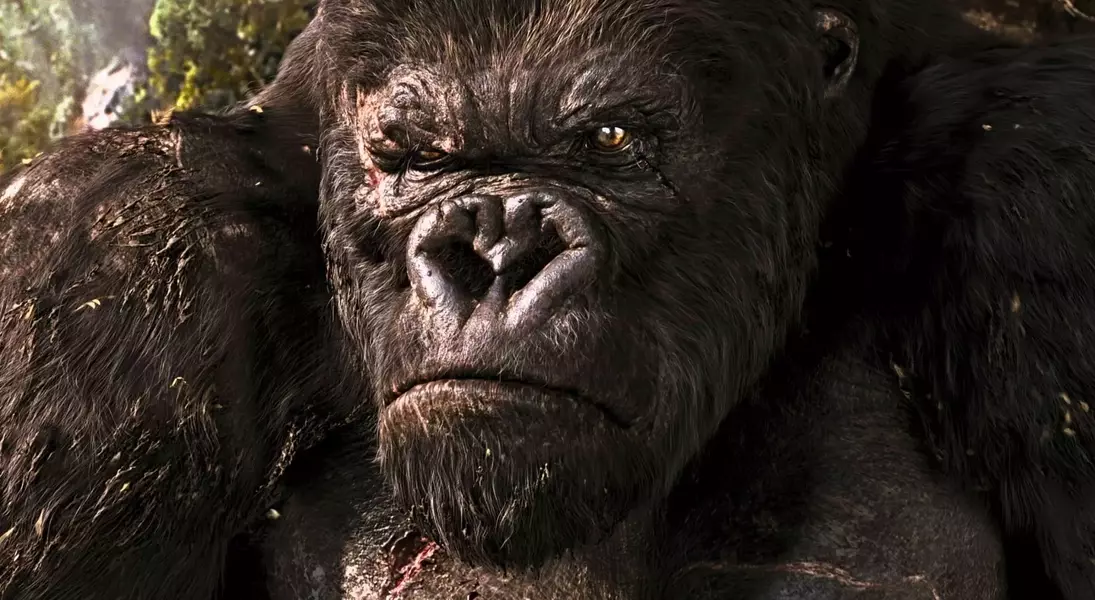
Peter Jackson's 2005 adaptation of King Kong stands as a cinematic triumph, offering a complete and emotionally resonant narrative distinct from the sprawling, interconnected MonsterVerse. The film, a remake of the 1933 original, garnered significant commercial success and critical praise, particularly for its innovative special effects and its profound exploration of ambition, greed, and the human-beast dynamic. Unlike its modern counterparts, Jackson's King Kong provides a self-contained story that concludes with a powerful, poignant message, demonstrating the inherent value in narratives that know when and how to end.
The article contrasts Jackson's singular vision with the MonsterVerse's continuous, spectacle-driven approach, which often sacrifices narrative depth for interconnectedness. It argues that while the MonsterVerse aims to mimic shared cinematic universes, its reliance on a vast, prerequisite knowledge base can alienate audiences seeking fulfilling standalone experiences. The author champions Jackson's King Kong for its ability to deliver an epic spectacle while maintaining a strong emotional core, focusing on the compelling relationship between Kong and Ann Darrow rather than an endless series of monster battles.
The Enduring Appeal of Jackson's King Kong
Peter Jackson's 2005 King Kong is lauded for its narrative integrity and emotional depth, setting it apart from the MonsterVerse franchise. The film's commercial success, coupled with critical acclaim for its groundbreaking special effects and poignant storytelling, solidified its place as a significant cinematic achievement. Jackson's version uniquely prioritizes character and emotional resonance, presenting a complete story that doesn't necessitate a web of prequels or sequels for comprehension. This self-contained approach allows for a powerful and conclusive ending, a stark contrast to the often open-ended and interconnected narratives prevalent in today's franchise-driven cinema.
Jackson's rendition, starring Naomi Watts as Ann Darrow, effectively reinterprets the classic tale, focusing on the nuanced relationship between the colossal ape and the actress. The film's critical reception highlighted its ability to blend terrifying spectacle with an empathetic portrayal of Kong, offering a narrative that resonates deeply with themes of human ambition and the tragic consequences of exploitation. The movie's distinctiveness lies in its commitment to a singular, impactful story, demonstrating that a film can achieve monumental success and leave a lasting impression without being part of a larger, ongoing cinematic universe. This stands in direct opposition to the MonsterVerse's model, where individual films often serve primarily as stepping stones to future installments, diluting their individual narrative power.
Standalone Narratives vs. Interconnected Universes
The debate between standalone films and interconnected cinematic universes is sharply illuminated by comparing Peter Jackson's King Kong with the MonsterVerse. While the MonsterVerse aims for an expansive, Marvel-esque web of narratives, Jackson's film exemplifies the strength of a self-contained story. The author expresses a clear preference for the latter, arguing that the MonsterVerse's constant need for continuity and spectacle often overshadows meaningful character development and plot coherence, leading to a less satisfying viewing experience for audiences who prefer narrative independence.
The MonsterVerse's strategy, designed to build a vast mythology around its kaiju, frequently necessitates prior knowledge of multiple films for full understanding, turning movie-watching into a form of "homework." This approach, while initially popular, has increasingly led to audience fatigue. In contrast, Jackson's King Kong offers a complete emotional journey, culminating in a poignant conclusion that requires no further explanation or continuation. The film's strength lies in its ability to deliver an epic scope and intense action while maintaining a deeply personal and tragic core, proving that a well-crafted, standalone narrative can be far more impactful and enduring than a fragmented saga continually setting up its next chapter. This distinction highlights a growing sentiment among viewers for stories that are complete within themselves, rather than perpetual trailers for future installments.
