This discussion revisits the classic NES title, Mega Man 6, through a detailed examination of its distinctive box art from different global regions. Following a recent competition where Japan's Metroid Prime Pinball cover art emerged victorious, this analysis focuses on the visual presentations of Mega Man 6, a game released in Japan in 1993 and North America in 1994. The re-evaluation of these iconic designs is particularly timely, coinciding with the announcement of the forthcoming Mega Man: Dual Override for Switch, anticipated in 2027.
A Detailed Look at Regional Box Art for Mega Man 6
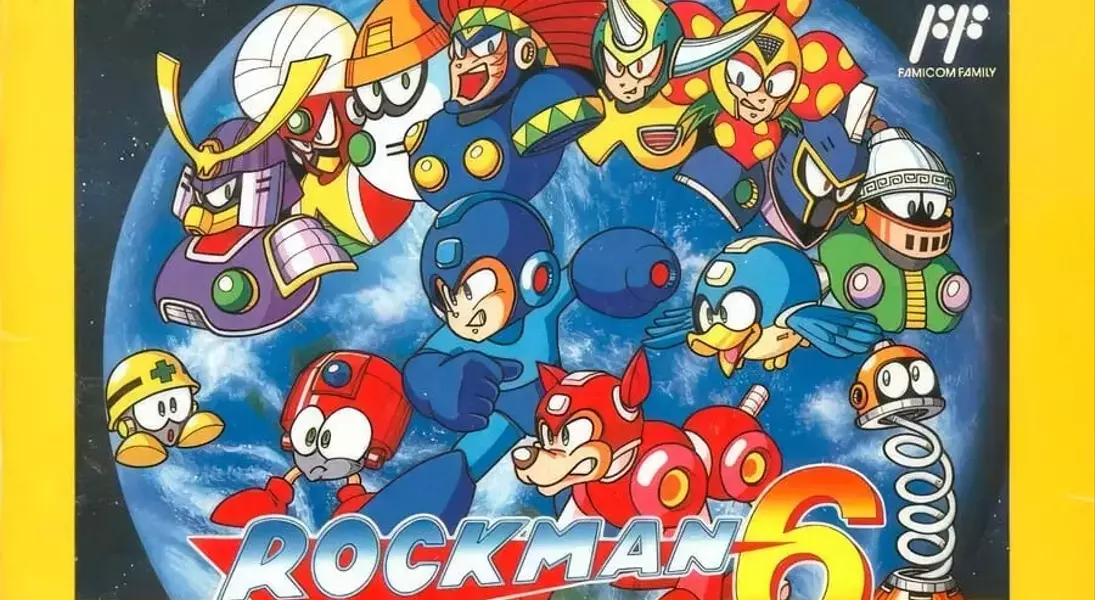
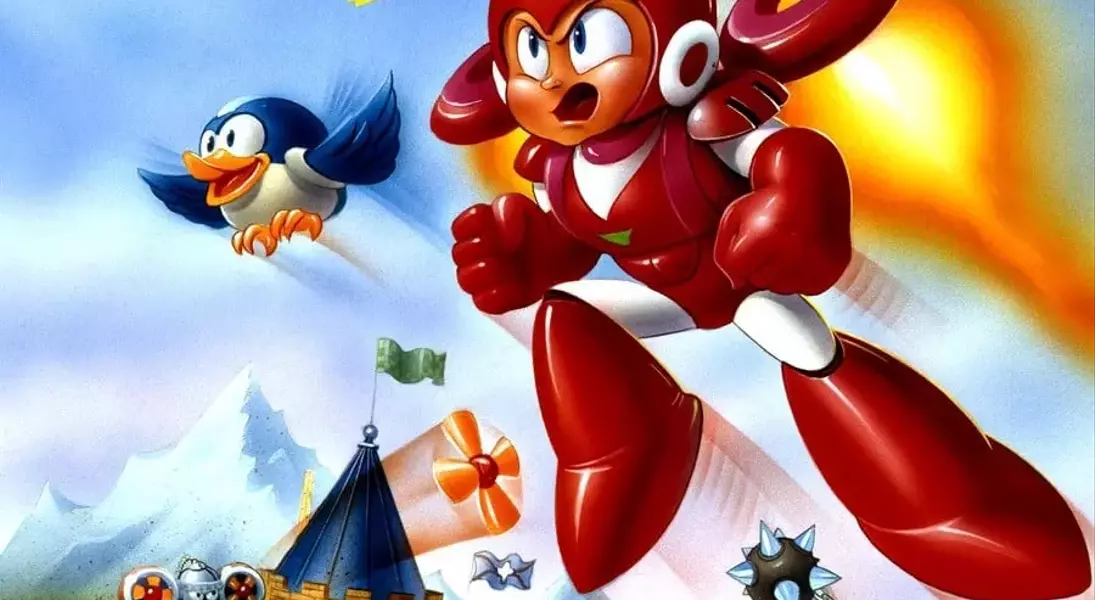
In the latest installment of the Box Art Brawl series, attention turns to the NES classic, Mega Man 6. This game, which bypassed a European release, saw its debut in Japan in 1993 and subsequently in North America in 1994, coinciding with the launch of Mega Man X on the SNES. The North American box art for Mega Man 6 represents a significant departure from earlier, often criticized designs in the series. It features an impressive composition depicting Mega Man equipped with the red Rush Jet Adaptor, presenting a visually appealing and polished aesthetic. In stark contrast, the Japanese rendition of the box art maintains a tradition seen in previous entries, densely populating the cover with numerous characters. This approach, though busy, effectively conveys the game's expansive cast. The Japanese cover also prominently displays the iconic 'Rockman' logo against a cheerful yellow backdrop, embodying a quintessential Mega Man artistic flair.
Reflecting on the varied artistic interpretations of video game box art across different regions offers a fascinating glimpse into cultural and marketing nuances. The distinct design philosophies applied to Mega Man 6's packaging by North American and Japanese artists highlight how visual storytelling can adapt to resonate with diverse audiences. These regional variations not only serve as a nostalgic look back at gaming history but also underscore the creative choices made to capture the essence of a game within a single image. The ongoing appreciation and debate over these designs demonstrate their lasting impact on fans and collectors alike.
