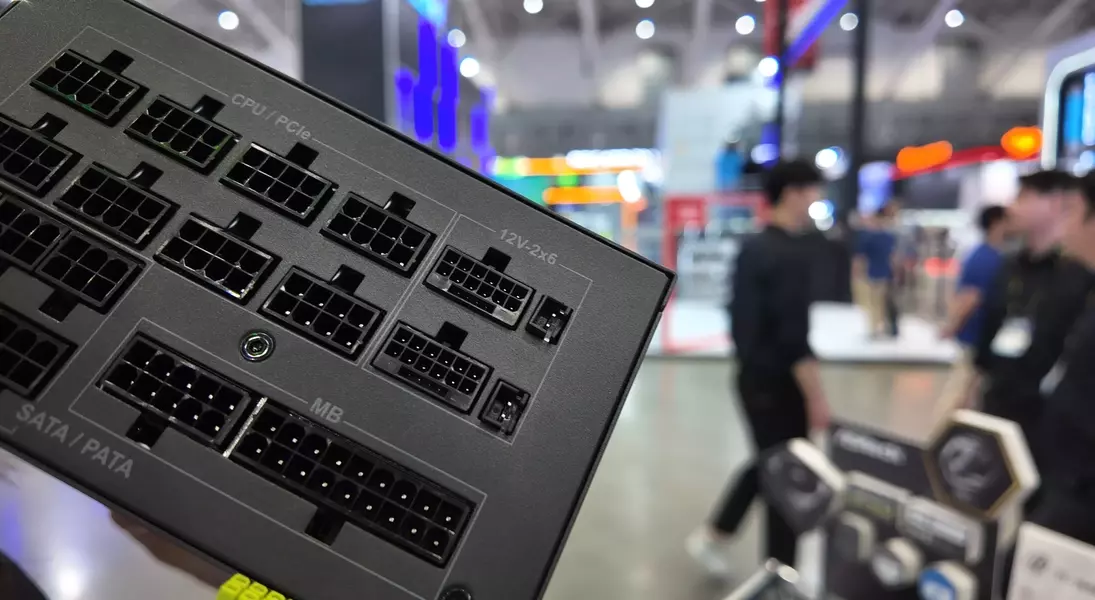
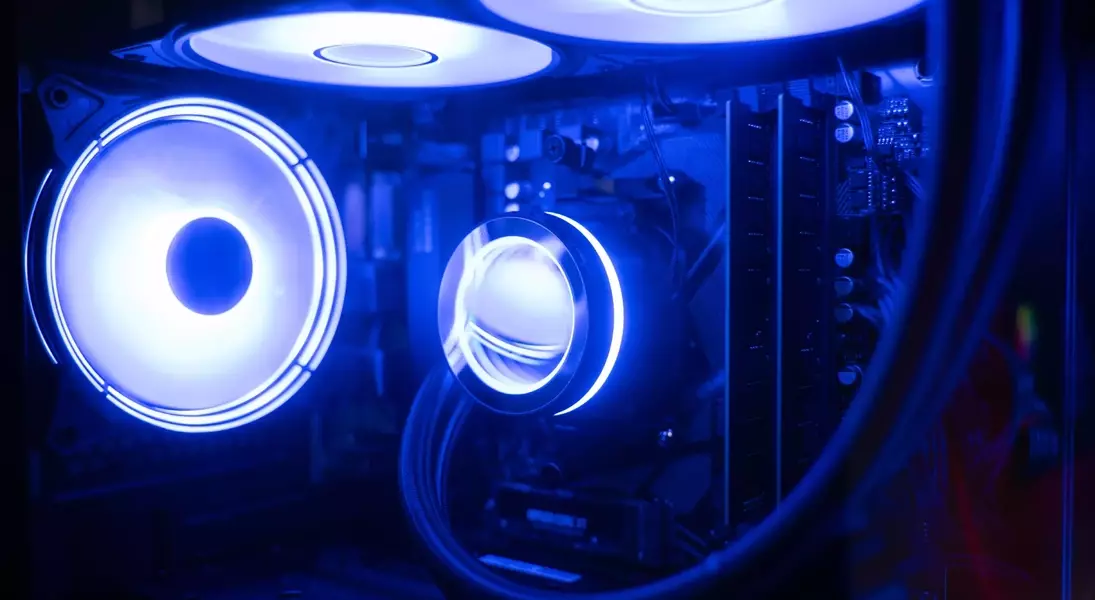
Anticipated price hikes for essential computer components, such as power supply units (PSUs) and central processing unit (CPU) coolers, are on the horizon, potentially impacting consumers by as much as 10%. This comes as an unwelcome development for PC enthusiasts already contending with elevated memory costs. Unlike previous market shifts often linked to artificial intelligence (AI) demands, this particular escalation is not due to data center requirements, which typically utilize specialized, non-consumer-grade hardware.
Reports suggest that the impending price adjustments stem from a confidential communication from Guangzhou Xinhongzheng Electronic Technology to its partners. This correspondence explicitly cites a significant increase in the cost of raw materials, including copper, silver, and tin, as the primary driver. According to the document, new orders for CPU coolers will see an increment of 6% to 8%, while power supplies are projected to rise by 6% to 10%. While the authenticity of this letter awaits independent confirmation, market data from Bloomberg reinforces the underlying cause, highlighting a recent surge in the prices of copper, aluminum, and nickel, influenced by mining disruptions and international trade policies. The fluctuating demand for copper in key markets like China, exacerbated by geopolitical factors, further complicates the supply chain and pricing dynamics. Consequently, the retail prices observed by consumers will inevitably reflect these increased material and distribution expenses.
Even with the lower end of the projected increases being roughly double the global inflation rate, the immediate impact may not be catastrophic, though certainly an inconvenience. High-end CPU coolers, often equipped with advanced features, might absorb these material cost increases without a direct price change. However, more budget-friendly power supply and cooling options are likely to see their prices go up, turning an affordable upgrade into a slightly more expensive endeavor. Moreover, there's a risk that vendors might further inflate prices to counteract potential sales dips, following a trend seen in other hardware segments like motherboards, which experienced a 50% sales decline last year. As a result, the upcoming year is poised to challenge many gamers, making thoughtful consideration of future upgrades even more crucial.
In the dynamic world of technology and global markets, price fluctuations are a constant reminder of the interconnectedness of supply chains and consumer demand. While these increases present challenges, they also underscore the resilience and adaptability required from both manufacturers and consumers. By staying informed and making strategic purchasing decisions, individuals can navigate these shifts effectively, ensuring continued access to the tools and experiences that enrich their digital lives. This period calls for mindful consumption and an appreciation for the complex factors that shape the technological landscape.
