In an era where the computer memory market faces significant challenges, marked by rising prices and scarcity, an innovative solution has emerged from the DIY community. A Russian enthusiast, known as VIK-on, has successfully engineered a 32GB DDR5 memory module from existing components, offering a glimpse into how individual ingenuity might counteract industry-wide shortages and inflated costs. This endeavor underscores the pressing need for alternative strategies as the memory crisis continues to unfold.
The Genesis of a Homemade Memory Module
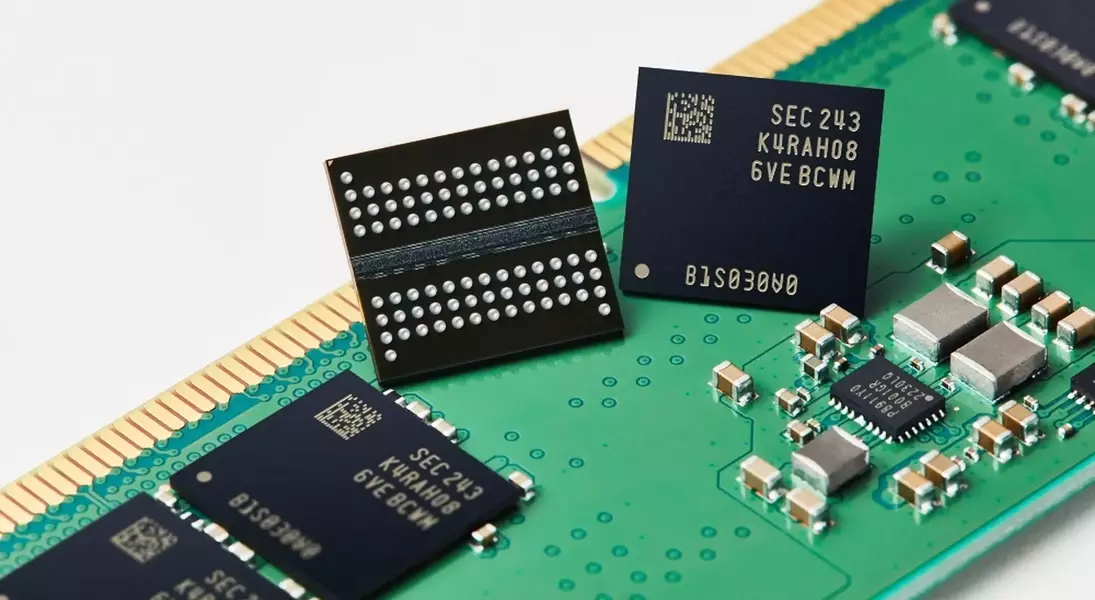
The project, spearheaded by the Russian modder VIK-on, began with a practical need to overcome the prohibitive costs of DDR5 memory. Faced with prices in Russia that made a 32GB DDR5 stick significantly expensive, VIK-on embarked on an ambitious DIY venture. His process involved acquiring two 16GB DDR5 laptop SODIMMs, typically found in notebooks, and a compatible PCB. The core idea was to transfer the memory chips from these smaller laptop modules onto a single, standard desktop DIMM. This meticulous process required not only advanced soldering skills but also a deep understanding of memory module firmware. VIK-on reportedly utilized existing ADATA firmware, configured for a 6400 CL32 XMP profile, to ensure compatibility and performance. The total expenditure for this homemade 32GB DDR5 module was approximately $218, a mere third of the prevailing market price for an equivalent new module in Russia. While the modder explored using even cheaper 8GB sticks, challenges related to chip packaging prevented their integration into larger 32GB configurations. Despite the technical hurdles, the self-assembled DDR5 stick is reported to be fully operational, contributing to stable system performance.
This innovative approach not only addresses an immediate economic challenge for consumers but also raises profound questions about the current state of the memory market. The significant cost savings achieved through this DIY project suggest that the market might be ripe for disruption. If individuals can construct high-capacity memory modules at a fraction of the retail price, it implies considerable profit margins for manufacturers and retailers. Moreover, should the memory crisis persist, such methods could evolve into commercially viable operations. Repurposing chips from less desirable memory sticks to meet the demand for high-capacity modules could become a legitimate business model. While unlikely to cause a drastic price collapse, this could offer a much-needed buffer against soaring memory costs, potentially stabilizing the market for PC enthusiasts and builders in the long run.
