PayPal is poised to significantly broaden its cryptocurrency integration, enabling merchants in the United States to process transactions using over a hundred different digital currencies. This strategic move aims to bridge the gap between volatile digital assets and everyday commerce, providing a seamless payment solution for both consumers and businesses. The initiative is particularly focused on supporting small and medium-sized enterprises by offering a cost-effective and accessible pathway into the evolving world of decentralized finance.
This innovative step by PayPal aligns with the growing global interest in digital currencies and their potential to transform traditional financial systems. By facilitating the acceptance of a wide array of cryptocurrencies, PayPal is not only enhancing the utility of these assets but also positioning itself at the forefront of digital payment innovation. The company's vision is to normalize crypto transactions, making them as common and convenient as traditional payment methods, thereby fostering greater adoption and stability within the cryptocurrency ecosystem.
Expanding Digital Payment Horizons
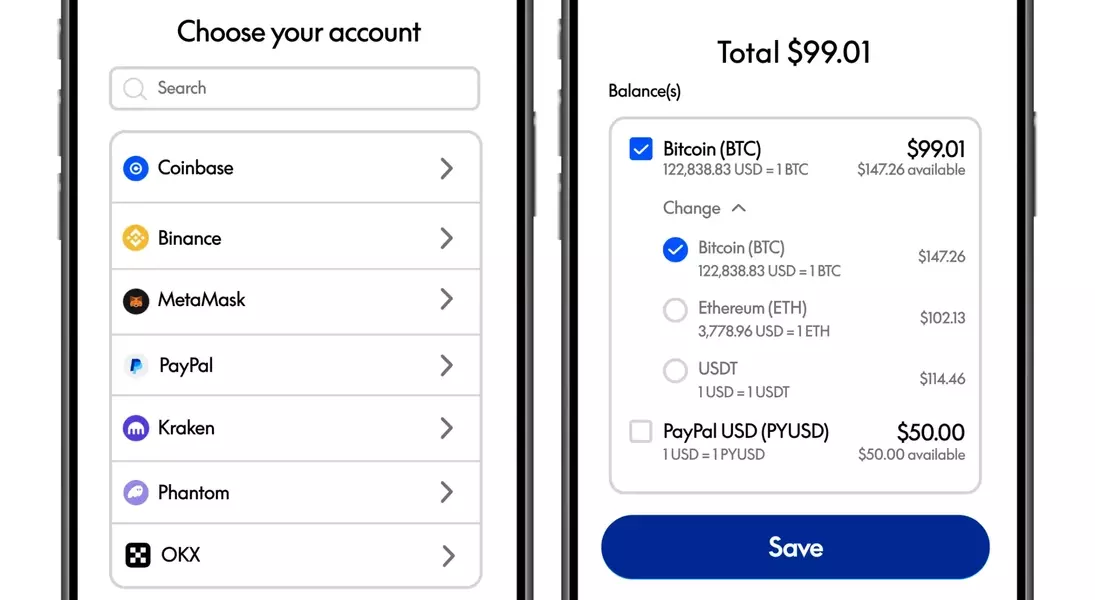
PayPal is embarking on a significant expansion of its cryptocurrency services, introducing a new feature that will allow merchants across the U.S. to accept payments in over 100 different digital currencies. This ambitious undertaking extends beyond established cryptocurrencies like Bitcoin and Ethereum, embracing a diverse range of tokens, including widely recognized meme coins. The 'Pay with Crypto' functionality is designed to instantly convert incoming cryptocurrency payments into either traditional fiat currency or PayPal's proprietary PYUSD stablecoin, ensuring stability and ease of reconciliation for businesses.
Scheduled for a phased rollout, beginning with a pilot program in the coming weeks and broad availability later this year, this feature underscores PayPal's commitment to mainstreaming digital payments. A notable advantage for merchants is the attractive transaction fee of 0.99% for the first year, a rate considerably lower than typical credit card processing charges. PayPal's leadership emphasizes that this initiative is particularly beneficial for small businesses, offering them an opportunity to tap into a growing segment of crypto-holding consumers and streamline their payment acceptance processes. This move not only enhances the liquidity and practical use of various cryptocurrencies but also solidifies PayPal's role as a pioneer in the digital payment landscape, driving innovation and accessibility in the evolving financial technology sector.
Enhancing Crypto Utility and Accessibility
The introduction of PayPal's 'Pay with Crypto' feature addresses a core challenge within the digital currency space: the limited real-world utility of cryptocurrencies beyond speculative investment. Historically, one of the primary obstacles to broader crypto adoption has been the scarcity of avenues for direct spending. PayPal's solution effectively transforms digital assets into viable tender for everyday purchases, offering crypto holders a tangible means to utilize their holdings rather than merely accumulating them for potential future gains. This development marks a pivotal moment, shifting cryptocurrencies from a niche investment tool to a more integrated component of the global economy.
Furthermore, this strategic initiative coincides with the recent surge in the value of leading cryptocurrencies, exemplified by Bitcoin's unprecedented rise to over $100,000 in 2024. This market momentum provides an opportune backdrop for PayPal's new service, as it capitalizes on increased investor confidence and interest in digital assets. By providing a secure and efficient platform for crypto-to-fiat conversions, PayPal not only simplifies the transaction process for merchants but also legitimizes the use of a wide array of digital currencies, including those previously considered less serious. This move is set to significantly impact the accessibility and practicality of cryptocurrencies, fostering an environment where digital payments become an increasingly integral part of mainstream commerce.
