





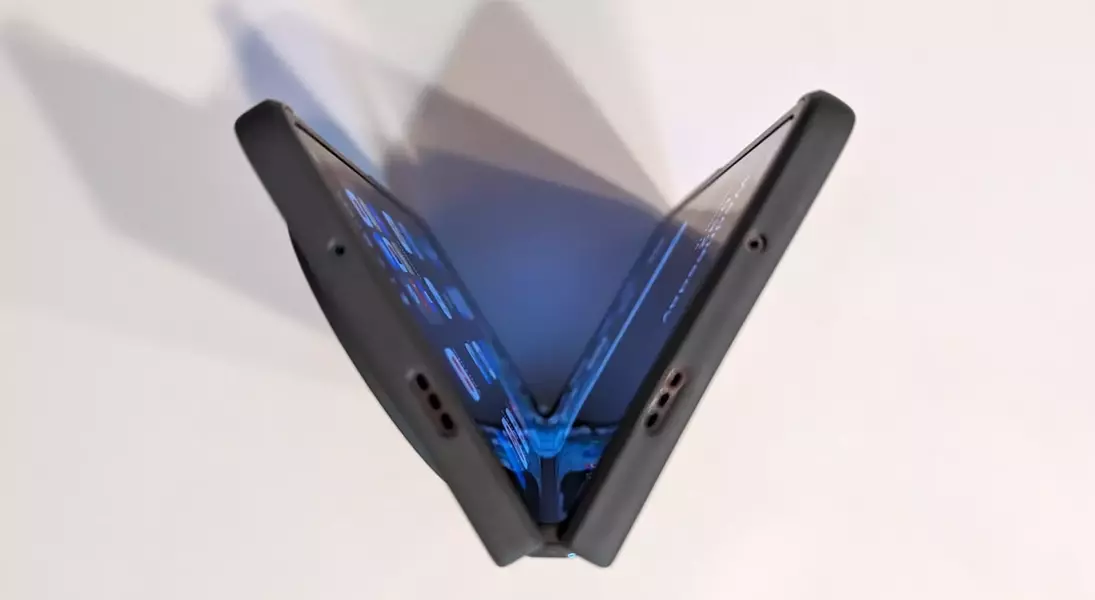



The journey of foldable smartphones, initially perceived as a mere novelty, has transformed remarkably. What began as an expensive and somewhat impractical concept has evolved into a sophisticated and competitive segment of the mobile industry. Over time, while the price point has largely stabilized, the quality and utility of these devices have seen substantial improvements, justifying their market presence. This evolution has fostered a more dynamic market, benefiting consumers with a wider array of choices.
Global Unveiling: A Glimpse into the 2025 Foldable Phone Landscape
In the bustling year of 2025, the foldable phone arena witnessed significant developments. Tech giant Samsung, a pioneer in the foldable sector, unveiled its latest marvels, the Galaxy Z Fold 7 and Galaxy Z Flip 7. These devices, launched amidst considerable anticipation, showcase a blend of cutting-edge design and enhanced user experience. Around the same period, Google's impending release of the Pixel Pro 10 Fold added another layer of excitement, signalling a robust competitive environment in the United States market.
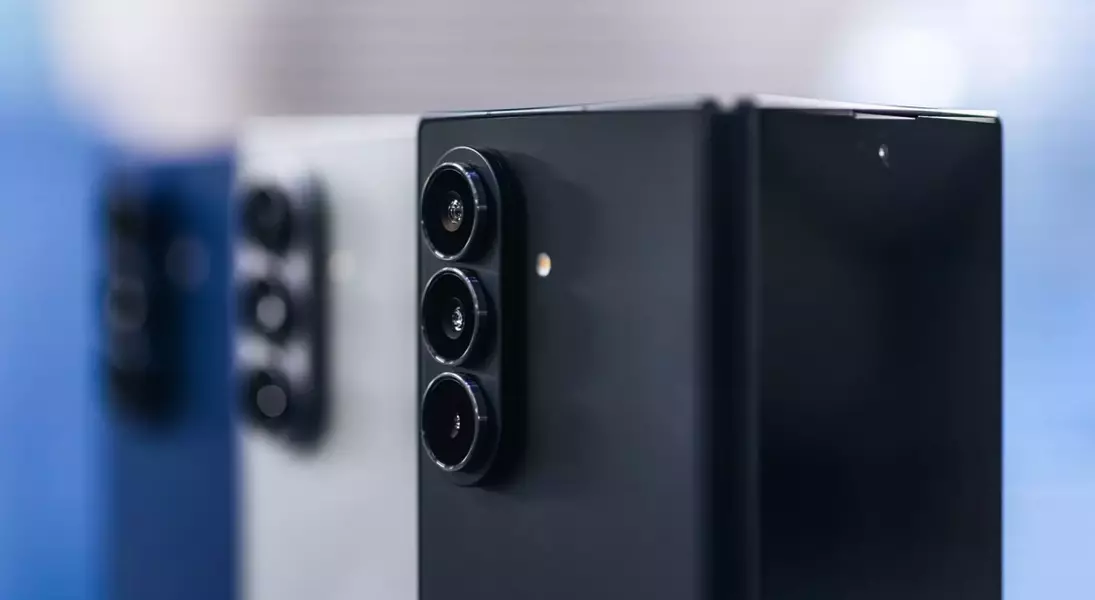
The Samsung Galaxy Z Fold 7, a flagship offering, distinguishes itself with impressive advancements. It boasts the lightest and slimmest form factor in its series, making it remarkably comfortable to handle. The expansive 8-inch display, the largest yet for a Fold device, coupled with a redesigned hinge mechanism, underscores Samsung's commitment to innovation. Industry experts, including Mashable's Alex Perry, lauded its exquisite aesthetics, vibrant displays, and capable camera system, cementing its status as a top contender.
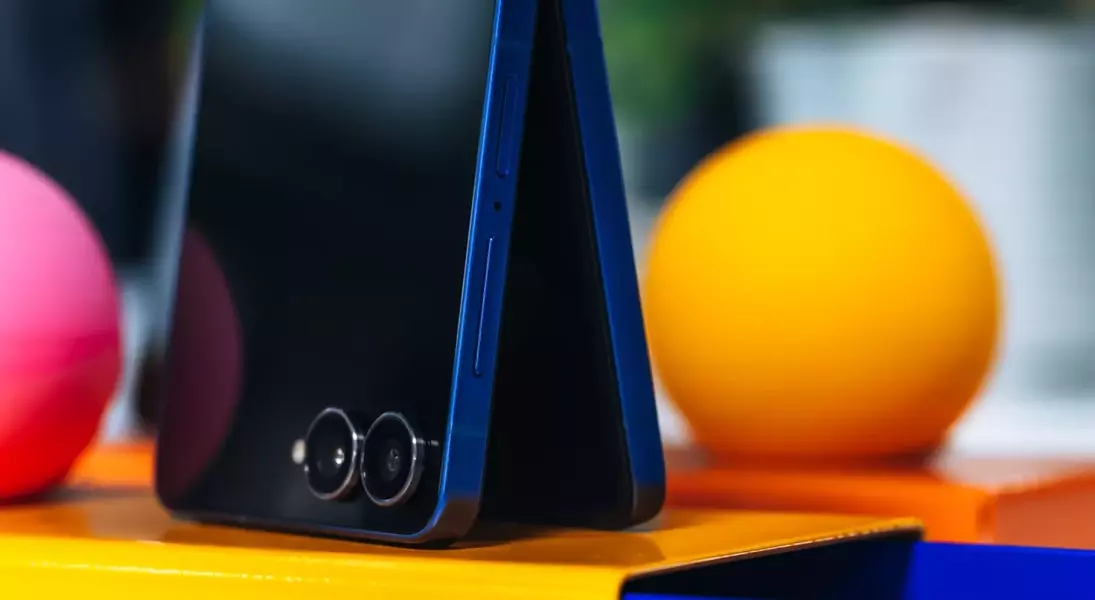
Complementing the Fold is the Samsung Galaxy Z Flip 7, a more compact and traditionally shaped foldable. This device integrates an enlarged 4.1-inch AMOLED external display, maximizing front screen real estate when folded, thus boosting its practical usability. Hailed as an 'AI flip phone,' it effortlessly slips into pockets, offering unparalleled convenience. The Flip 7 also features an enhanced battery life, the largest in a Flip model to date, and a commendable camera setup. Priced at a more accessible $1,100, it stands as a formidable competitor to conventional smartphones, despite lacking a Snapdragon processor.
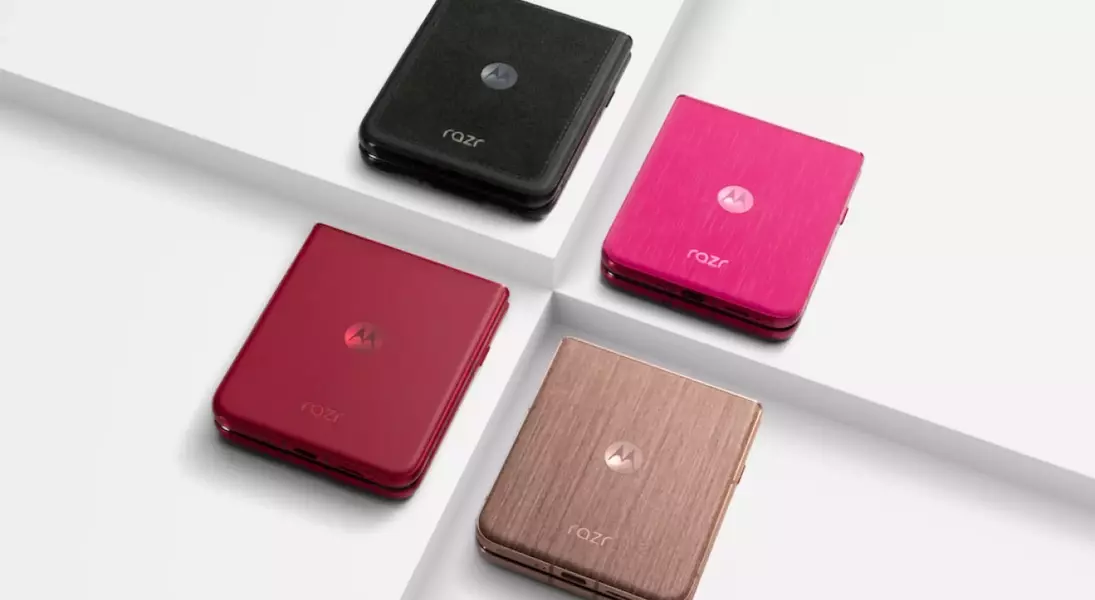
Motorola, rekindling nostalgia with its Razr series, has finally perfected the modern flip phone design. The 2025 Motorola Razr lineup, encompassing the Razr Ultra, Razr Plus, and the standard Razr, offers a range of options. The flagship Razr Ultra, with its $1,300 price tag, integrates high-end specifications, including a Snapdragon 8S Gen 3 chip for the Plus variant and a Dimensity 7400X for the base model. Early reviews, such as those from Mashable's tech editor Timothy Beck Werth, highlight its impressive displays and prolonged battery life, despite minor critiques on camera performance. These devices also incorporate contemporary AI functionalities.
Google’s Pixel 9 Pro Fold remains a noteworthy presence, offering a compelling alternative in the book-style foldable segment. While its Tensor G4 processor might not match the latest from rivals, its seamless Android experience and renowned camera capabilities make it a strong contender. The anticipation surrounding the Pixel 10 Pro Fold's potential release at the 'Made by Google' event on August 20th suggests continued innovation from Google, albeit with potential price adjustments due to external economic factors.
OnePlus made its entry into the foldable market in late 2023 with the OnePlus Open, featuring a vertical folding mechanism and a spacious inner display. Despite its hardware being slightly behind newer 2025 models, its Snapdragon 8 Gen 2 chip ensures robust performance. The Open garnered acclaim for its superior displays and thoughtful design. Although a successor was initially planned and then cancelled, OnePlus continues to support the device, offering it at a more competitive price point of $1,500 compared to Samsung's latest foldables.
Beyond the U.S. market, international players like Honor, Oppo, and Vivo are making significant strides. The Honor Magic V3, launched in late 2024, once held the title of the thinnest foldable, showcasing competitive specifications like a 120 Hz display, IPX8 water resistance, and a Snapdragon 8 Gen 3 chip. Similarly, the Oppo N5 impressed with its ultra-thin profile and robust features, including a large 5,600 mAh battery. Huawei’s Mate X6, leveraging years of experience, presents a premium leather-backed design and competitive screens, though its availability in the U.S. is limited. The Vivo X Fold 5, released in 2025, stands out for its remarkable 6,000mAh battery and light 217-gram weight, offering an attractive and affordable option in global markets.
The current landscape of foldable smartphones is a testament to rapid technological advancement and fierce market competition. The industry has made monumental strides in durability, integrating features like dust and water resistance that were once considered futuristic. As technology continues to push boundaries, we can anticipate even more affordable and innovative foldable designs emerging in the near future. This dynamic evolution sets the stage for an exciting future in mobile technology, potentially paving the way for major players like Apple to introduce their own foldable iterations, possibly as early as 2026, promising further disruption and innovation in the market.
