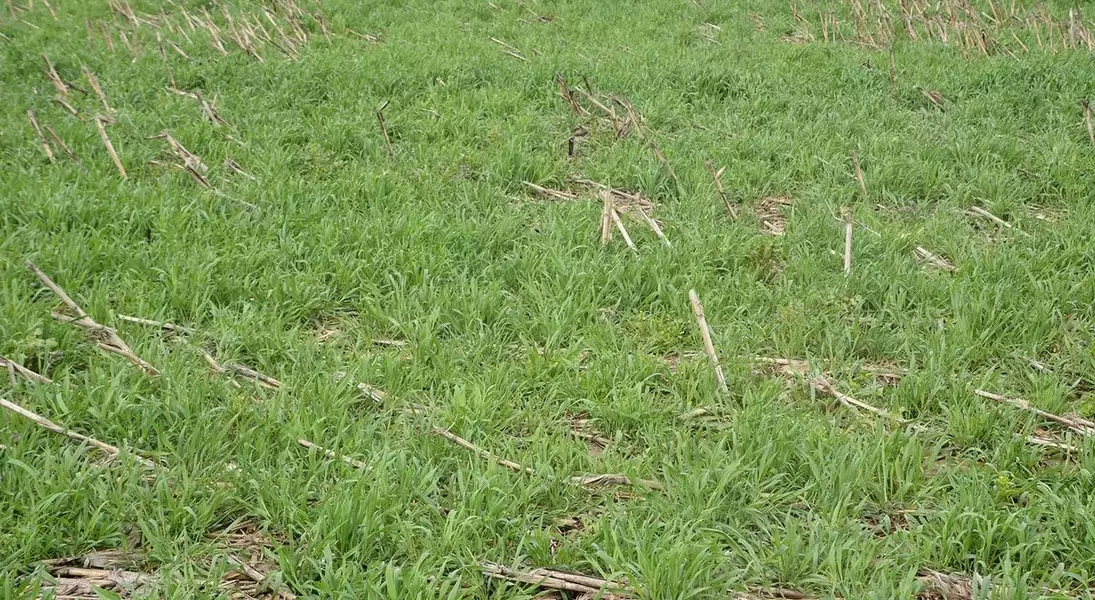
This article explores the critical decision-making process for farmers regarding the strategic application of herbicides in the autumn months. It delves into the multifaceted considerations, including weed species identification, tillage practices, and budgetary constraints, highlighting how these factors influence the efficacy and economic viability of such treatments.
Enhancing Crop Health: A Proactive Approach to Weed Eradication
Strategic Timing: Maximizing Fall Herbicide Efficacy
The optimal timing for applying herbicides in the autumn hinges on the specific weed types prevalent in the field and the farmer's tillage methods. Fall applications are particularly beneficial for controlling winter annuals like dandelions, marestail, and henbit. However, they offer minimal suppression against summer annuals such as waterhemp, which require different management strategies. Understanding the target weeds is crucial for developing an effective and economically sound treatment plan.
Beyond Herbicides: The Role of Cover Crops in Weed Management
For perennial weeds, particularly those with a vulnerability in the fall, a timely herbicide application can be highly effective. Nevertheless, a more sustainable and cost-efficient alternative could involve integrating cover crops. These crops can significantly outcompete various weed species, especially in areas where herbicide resistance is a growing concern. Adopting a systemic approach that incorporates cover crops not only aids in weed suppression but also contributes positively to soil health and fosters a thriving microbial ecosystem, thereby reducing reliance on chemical interventions.
Identifying Weed Challenges: Precision in Pest Management
To implement a successful weed control program, it's imperative for farmers to accurately identify the specific weed species posing challenges. Winter annuals, for instance, can establish extensive seed banks, leading to dense spring growth that hinders soil drying. Similarly, fall-established marestail can complicate early spring control efforts. Knowing the exact species guides the selection of appropriate herbicides and informs cost-benefit analyses. Consulting with agricultural extension specialists from institutions like Purdue and Illinois can provide invaluable insights tailored to individual farm conditions.
Holistic Farm Management: An Integrated Approach to Weed Control
Beyond traditional chemical treatments, exploring alternative methods for combating early-season weed pressure is essential. A robust stand of cover crops can effectively suppress many common weeds while simultaneously enhancing soil health. The investment in cover crops may even offset the expenses associated with fall herbicide applications. Farmers are encouraged to move beyond observing neighbors' practices and instead, conduct thorough analyses of their own fields, cropping systems, soil health objectives, and economic factors to devise the most advantageous weed management plan. Engaging with crop protection vendors can further assist in navigating available options and optimizing budgetary allocations.
Synergistic Strategies: Combining Expertise for Optimal Outcomes
Effective weed management is rarely the result of a single intervention but rather a synergistic combination of strategies. Key factors include precise weed identification, selection of appropriate tillage systems, judicious product choice, and accurate timing of applications. Achieving optimal results requires a systematic approach, acknowledging that even the most advanced or costly programs can sometimes fall short. Collaborating with retail and agronomy experts can provide essential guidance and set realistic expectations for success, understanding that absolute perfection often comes with a premium.
