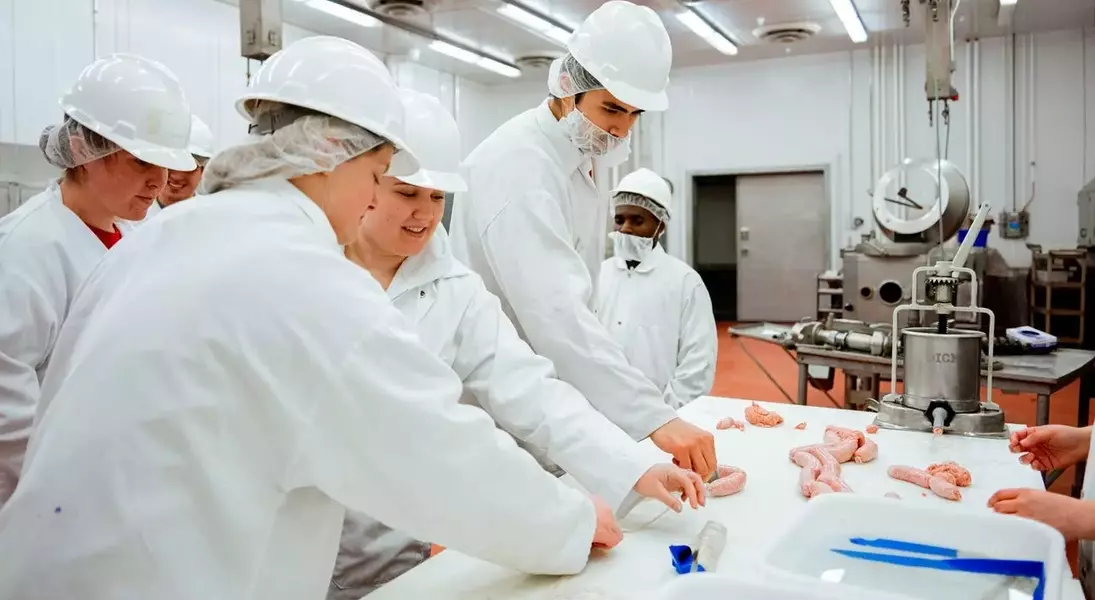
The University of Nebraska-Lincoln (UNL) has unveiled a groundbreaking training program specifically tailored for small meat processors. This unique initiative aims to bridge the gap between traditional butchery skills and modern business management, empowering local meat enterprises to enhance their profitability and sustainability in an evolving market. By focusing on critical aspects such as financial oversight, operational streamlining, and human resource management, the program provides a comprehensive toolkit for growth. It also emphasizes the invaluable role of peer-to-peer learning and networking, creating a supportive environment where participants can share insights and build lasting professional relationships. This forward-thinking approach underscores UNL's commitment to strengthening rural economies and supporting vital agricultural sectors.
Boosting Local Meat Processing: A Deep Dive into UNL's Management Program
In a significant move to fortify the backbone of local food systems, the University of Nebraska-Lincoln is introducing a pioneering business management training program for small meat processors. This intensive program, scheduled from the 7th to the 13th of September, will unfold on UNL's verdant East Campus, offering a blend of rigorous classroom instruction and practical, real-world experience.
The curriculum, meticulously developed by UNL's esteemed Center for Agricultural Profitability and Meat Science program, in close collaboration with the College of Business and the Nebraska Manufacturing Extension Partnership, is designed to elevate the management capabilities of owners, managers, and supervisory personnel within small meat processing facilities. Jordan Wicks, a distinguished meats Extension specialist at UNL, highlights that the program's core objective is not to refine processing techniques, but rather to instill the strategic business acumen necessary for increased profitability and operational excellence.
A cornerstone of this program is its emphasis on collaborative learning and networking. Participants will have unparalleled opportunities to engage with fellow industry professionals, fostering a vibrant exchange of ideas and solutions to common business challenges, from optimizing production flows to navigating equipment issues. A highlight of the program includes a dedicated day for visiting various local processing plants nestled in eastern Nebraska, providing an immersive experience and a chance to observe successful operational models firsthand. Furthermore, the program incorporates comprehensive Hazard Analysis Critical Control Point (HACCP) training, a crucial component for ensuring food safety and regulatory compliance.
To ensure a focused and impactful learning experience, enrollment is limited to 10 to 12 processing plants, with a maximum of two representatives per facility. This intimate setting encourages personalized attention and deeper engagement. Thanks to a recent grant, the cost of participation has been significantly reduced, with a fee of $3,800 for two attendees, which conveniently covers accommodation, meals, and transportation during the off-campus site visits. Aspiring participants are encouraged to reach out to Jordan Wicks to explore how this transformative program can benefit their business endeavors.
This initiative represents a pivotal step towards empowering small meat processors, transforming them into more resilient, efficient, and profitable enterprises. From a journalistic standpoint, such programs are vital for sustaining agricultural diversity and ensuring the availability of high-quality, locally sourced meat products. As consumers increasingly prioritize transparency and local sourcing, well-managed small-scale processors become indispensable to the economic and culinary landscape of our communities. This training not only equips individual businesses for success but also strengthens the entire local food supply chain, fostering a more robust and sustainable agricultural future. It underscores the critical role of academic institutions in supporting industry growth through practical education and collaborative innovation.
