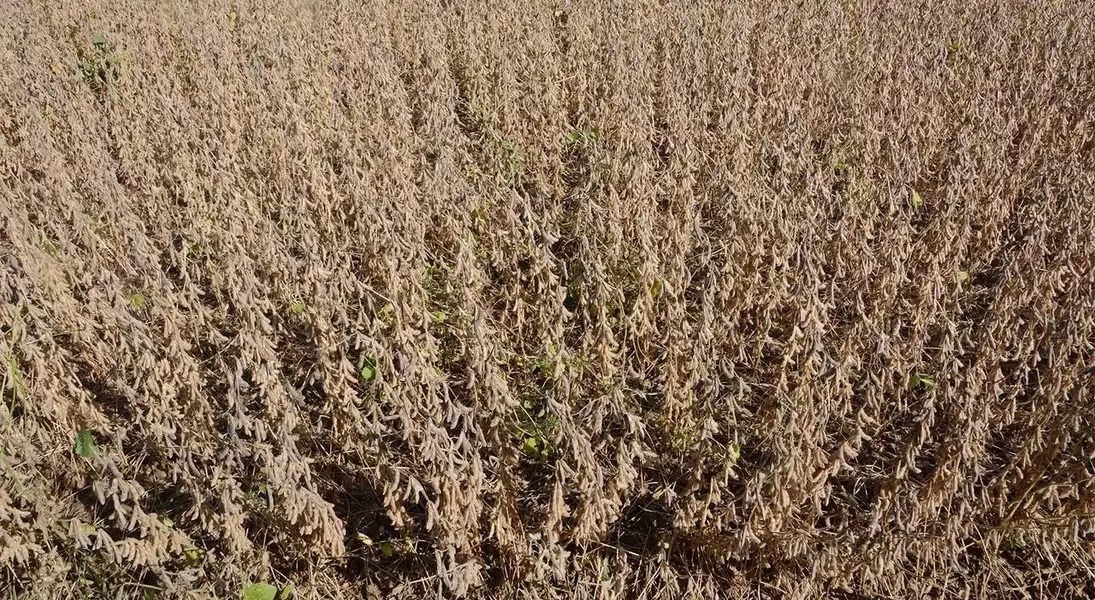
Minimizing yield reduction during soybean harvesting, particularly from shattering, is a critical concern for agricultural producers. This comprehensive guide synthesizes insights from leading agricultural experts, including Betsy Bower from Purdue Extension, Abby Horlacher from Nickel Plate Consulting, and Brian Mitchem from Farmer 1st Agronomy Consulting Services. They offer strategic recommendations to optimize harvest timing and machinery settings, ensuring that valuable crops are collected efficiently and effectively. The collective wisdom emphasizes the benefits of beginning the harvest at higher moisture content and maintaining equipment to prevent losses, alongside considering environmental factors that influence bean quality.
Strategic Soybean Harvesting: Insights from Agronomic Experts
In the vibrant fields of Indiana, a panel of certified crop advisers recently shared their invaluable expertise on tackling the pervasive issue of soybean shatter loss during harvest season. Their recommendations highlight a proactive approach to maximizing yield by carefully managing moisture levels and optimizing machinery operations.
Betsy Bower, a seasoned senior research associate at Purdue Extension in West Lafayette, underscored the significant advantage of initiating soybean harvest when moisture content ranges between 13% and 13.5%. She noted that while achieving a full day's harvest at this precise moisture level can be challenging due to rapid drying, strategic timing — such as harvesting in the early morning or late evening — can mitigate this. Furthermore, adjusting combine settings, specifically reducing ground speed and synchronizing reel speed with ground movement, can markedly decrease shatter at the header.
Abby Horlacher of Nickel Plate Consulting, based in Frankfort, echoed the sentiment regarding early harvest, suggesting a starting moisture of approximately 15%. This practice, she explained, prevents soybeans from over-drying to levels as low as 9%, at which point shatter losses escalate dramatically. Horlacher also advised against harvesting during periods of low humidity, as dry atmospheric conditions exacerbate pod splitting. She stressed the importance of meticulous combine maintenance, advocating for sharp knife blades and properly aligned guards, which are crucial for a smooth and clean harvest. In adverse conditions, a slower ground speed is essential to minimize stress on the crop and prevent additional losses.
Brian Mitchem, from Farmer 1st Agronomy Consulting Services in Decatur, emphasized the broader implications of timely soybean harvest for overall yield maximization. He pointed out that soybeans are highly susceptible to rapid moisture loss and yield reduction once they mature, especially from factors like shattering. Mitchem also highlighted how late-season pest activity, such as from bean leaf beetles or stinkbugs, can compromise pod integrity, making them more vulnerable to moisture intrusion and subsequent harvest losses. He described the phenomenon of "puffing," where soybeans undergo cycles of absorbing moisture and drying out post-maturity, leading to dry matter loss. Intriguingly, Mitchem observed a growing trend among farmers to harvest beans at higher moisture levels and then mechanically dry them, a strategy that warrants further investigation but shows promise for yield enhancement. He also noted a lengthening of the growing season, which could allow for the cultivation of higher-maturity crops and potentially extend the harvest window, thereby improving overall yield potential.
Embracing Innovation for Sustainable Harvests
As a keen observer of agricultural practices, I find the experts' consensus on harvesting soybeans at slightly higher moisture levels to be a compelling and logical strategy. It challenges the conventional wisdom of waiting for crops to be bone-dry, a practice that, while seemingly efficient, often results in substantial losses due to shattering. The practical advice on adjusting combine settings and being mindful of environmental conditions truly resonates. It underscores that precision and adaptability are not just buzzwords but essential tools for modern farming. Moreover, the insight into the extended growing season and the potential for higher-maturity crops opens up exciting avenues for research and development in sustainable agriculture. It prompts us to consider how we can further leverage environmental shifts and technological advancements to foster more resilient and productive farming systems. This shift in perspective is crucial for both economic viability and environmental stewardship in the agricultural sector.
