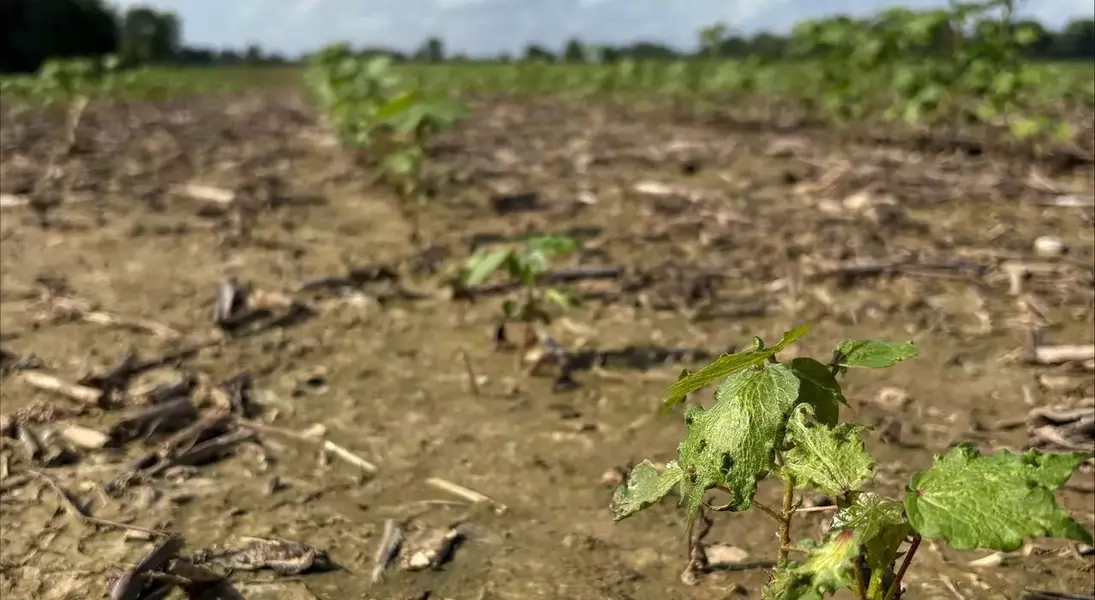
Farmers often confront significant challenges when their crops suffer damage due to the unintended spread of pesticides. These incidents, whether from direct drift or runoff, can lead to substantial yield reductions and financial hardship. This guide provides a detailed roadmap for agricultural producers to effectively manage situations involving suspected pesticide damage, focusing on the critical steps of evaluation, official reporting, and pursuing various forms of restitution.
Understanding the processes involved in documenting and addressing pesticide harm is crucial for securing a fair outcome. This includes knowing which governmental bodies to engage, what information is necessary for a formal complaint, and the available avenues for financial recovery. By adhering to established protocols and seeking appropriate counsel, farmers can protect their livelihoods and ensure accountability for agricultural harm.
Understanding and Reporting Crop Injury
When agricultural fields exhibit signs of damage suspected to be from off-target pesticide application, the initial phase involves a meticulous assessment of the affected vegetation. Although agricultural extension services do not act as regulatory bodies for pesticide usage, they serve as a primary contact for farmers to help identify whether the crop issues are indeed linked to external pesticide exposure. This expert evaluation is a crucial first step in confirming the nature and source of the damage.
Should the assessment confirm pesticide-induced injury beyond the farmer's control, precise identification and comprehensive reporting become paramount. Detailed documentation is not merely advisable; it is absolutely essential for any subsequent action. This includes thoroughly recording the type and extent of the injury, the specific location of the affected area, and the timeframe during which the damage is believed to have occurred. Collecting photographic evidence, plant samples, and detailed notes on environmental conditions during the suspected period of pesticide exposure further strengthens the farmer's case. If information about the pesticide applicator is available, such as their identity or the type of chemical used, this should also be meticulously documented. This meticulous approach ensures that all necessary data is available for official investigations and potential claims.
Seeking Redress and Financial Recourse
Following the initial evaluation and documentation of pesticide damage, farmers must engage with the appropriate state-level regulatory bodies responsible for overseeing pesticide applications. Each state has a designated agency to manage these issues. For instance, in the Delta states, farmers can contact specific departments such as the Arkansas State Plant Board, the Louisiana Department of Agriculture and Forestry Pesticides Division, the Mississippi Bureau of Plant Industry, or the Tennessee Department of Agriculture Regulatory Services Division. These agencies are equipped to handle formal complaints regarding off-target pesticide injury.
When filing a formal complaint, farmers are typically required to provide detailed information, including the location of the incident, the exact timeframe of the suspected damage, and a comprehensive description of the observed crop injury. Supporting documentation, such as records of weather conditions during the period of alleged exposure, photographs or samples of affected plants, and any known details about the pesticide applicator, are invaluable to the investigation. If an investigation is warranted, an inspector will be assigned to gather additional evidence, ideally within a 15-to-30-day window from the date of the alleged injury to accurately assess the full extent of the damage. While the investigative report from the governing agency does not typically estimate financial losses, it provides crucial findings regarding whether pesticide drift or misapplication occurred and if regulatory compliance was violated. This report is fundamental for pursuing financial compensation. Farmers have several avenues for economic recovery: they can attempt a private settlement with the applicator, file eligible private crop insurance claims (as federal programs usually do not cover pesticide damage), or, if necessary, pursue civil litigation. Legal action may involve claims of negligence, nuisance, or trespass, and it is highly recommended that farmers consult with an attorney licensed in their state to understand their legal options and relevant statutes of limitations.
