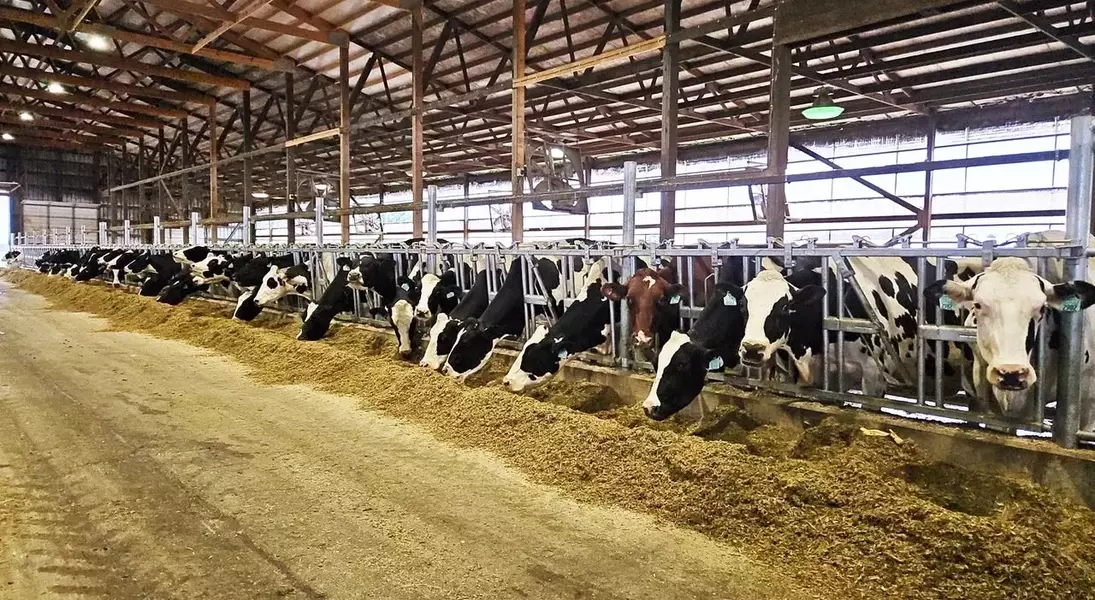
For livestock producers, particularly those involved with beef and dairy cattle or horses, forage typically constitutes a significant portion of animal diets, often exceeding 50%. Despite this fundamental role, many farmers still assess forage quality through rudimentary observations such as color, aroma, leaf texture, or the presence of seed heads. Such methods, while offering some correlation, fall short in providing the precise nutritional data essential for optimal feeding. This reliance on subjective evaluation can lead to imbalances in animal diets, either over-supplying or under-supplying critical nutrients, which in turn impacts animal productivity, reproductive success, and the financial viability of the farming operation. Transitioning to regular, scientific forage testing is therefore paramount for intelligent livestock management and maximizing returns.
Accurate forage analysis begins with proper sample collection. Producers can either perform this themselves or engage a qualified nutritionist or service provider to ensure samples are representative. These samples should then be sent to a National Forage Testing Association-certified laboratory. Certification guarantees that the analysis is precise and yields the necessary information to formulate properly balanced feed plans. Navigating the detailed reports from these labs can be challenging, as they contain numerous metrics. However, focusing on specific key indicators can help livestock owners make informed decisions. The relevance of these metrics can also vary depending on the type of livestock being fed and their production goals.
Several critical values in forage analysis reports offer actionable insights. Dry matter (DM) represents the feed's content once all moisture is removed; all nutritional comparisons and diet formulations are based on DM to ensure accuracy. Crude protein (CP), calculated from nitrogen content, indicates the potential protein supply, with legumes generally higher in CP than grasses. Acid detergent fiber (ADF) measures indigestible components like lignin and cellulose; high ADF suggests lower digestibility and energy content, often seen in more mature forages. Neutral detergent fiber (NDF) estimates total fiber, including digestible hemicellulose, and is crucial for predicting feed intake and energy availability. High NDF values are linked to lower energy and reduced dry matter intake. Neutral detergent fiber digestibility (NDFd) assesses the digestibility of NDF in the rumen, with higher NDFd indicating better intake potential and more energy for high-producing ruminants. Ash content reflects total minerals from both internal plant sources and external contamination like soil, with high levels potentially indicating issues in harvesting or feeding practices. Lastly, Relative Feed Value (RFV) and Relative Forage Quality (RFQ) are indices for pricing and marketing decisions, not diet formulation. RFV, originally for alfalfa, combines digestibility and dry matter intake, while RFQ, incorporating digestible fiber, provides a better prediction for grass-based forages. These indices assist in economic decisions but should not substitute detailed nutritional planning.
Embracing thorough forage analysis through certified laboratory testing is indispensable for making well-founded decisions regarding livestock feeding. This systematic approach supports overall animal well-being, optimizes productivity, and directly contributes to the economic success of agricultural enterprises. By effectively interpreting these vital forage reports, producers can strategically align their forage resources with the specific production needs of their animals and minimize expenditures on supplementary feed.
