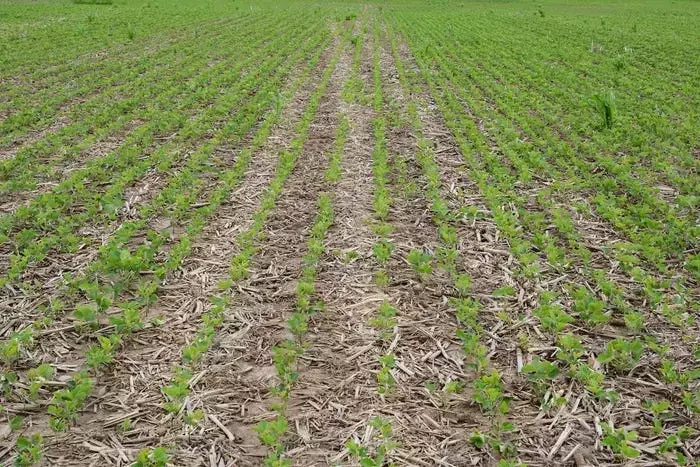
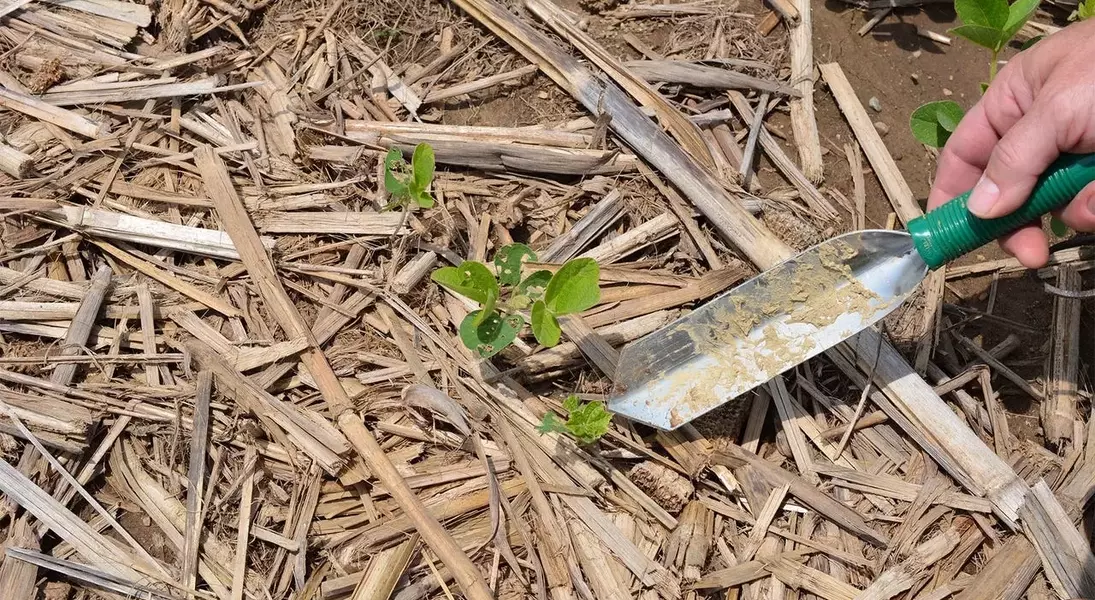
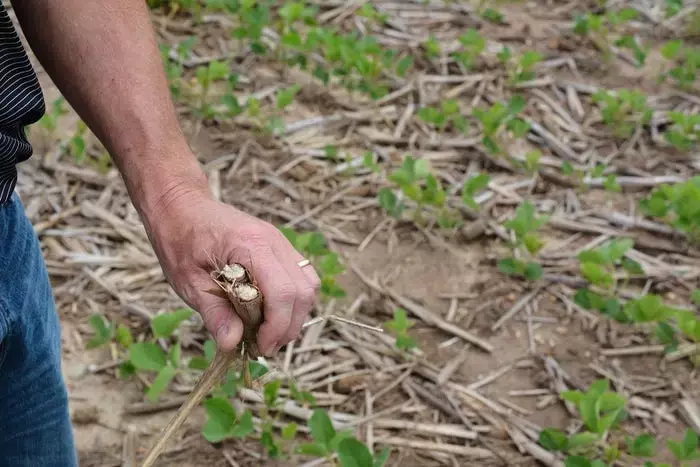
When establishing no-till soybean crops, particularly after corn, various factors can lead to subpar plant emergence. While adverse weather conditions often bear the brunt of the blame, a comprehensive field examination typically reveals additional underlying issues that impede successful stands. Understanding these challenges is the first step toward implementing effective solutions that enhance crop viability and yield potential.
Addressing the challenges of no-till soybean establishment requires strategic intervention to optimize growing conditions. Implementing measures that promote the rapid decomposition of corn residue, such as refining chopper settings on combines or utilizing biological treatments in the fall, can significantly reduce physical barriers to emergence and improve nutrient cycling. Additionally, adjusting planting patterns to a slight angle relative to previous corn rows can minimize the prolonged impact of heavy residue on seedling development. Finally, the integration of modern planting equipment, specifically row cleaners, offers a direct way to clear the seed zone, ensuring better seed-to-soil contact and fostering warmer, more favorable conditions for early growth.
By proactively identifying and mitigating issues associated with no-till soybean cultivation, farmers can significantly enhance stand establishment and overall crop performance. Embracing innovative techniques and conducting diligent field observations are crucial for adapting to environmental variables and improving agricultural productivity. These continuous efforts contribute to sustainable farming practices and the long-term success of soybean production.
