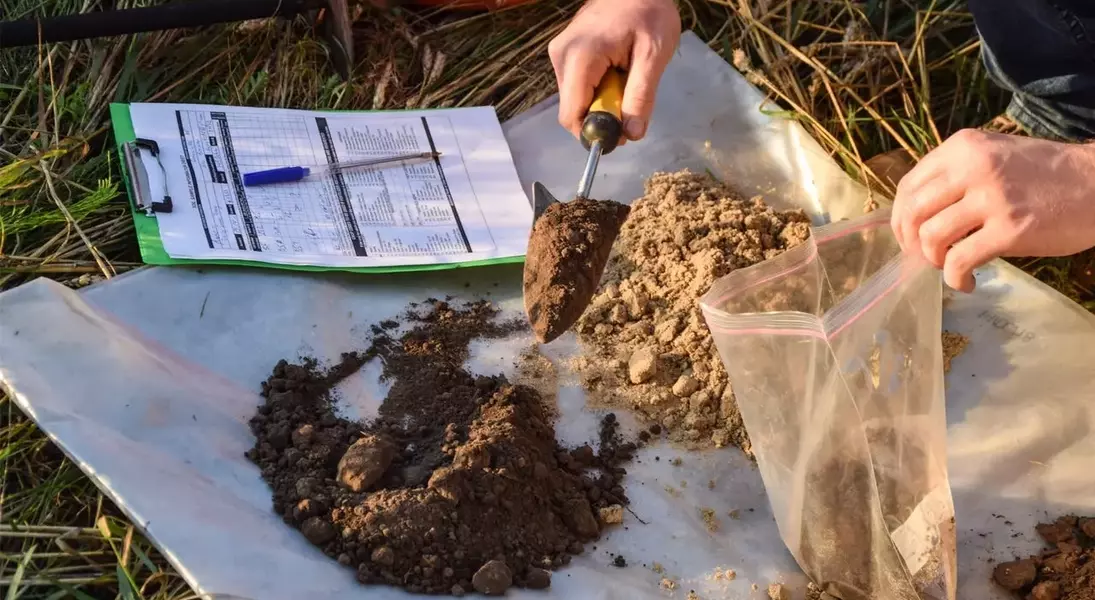
Farmers are constantly seeking innovative methods to enhance crop output and reduce operational costs. A fundamental strategy for achieving these objectives lies in precise soil fertility management, a process that begins with comprehensive soil analysis. As the current growing season concludes, it is an opportune moment for agricultural producers to focus on preparing their land for future cultivation. Implementing advanced soil testing techniques this autumn can provide critical insights into soil health, enabling the development of targeted fertilization plans for upcoming harvests.
This proactive approach not only supports robust plant development but also ensures the most efficient use of resources. Understanding the unique characteristics of each field through scientific analysis allows for tailored nutrient application, which in turn leads to increased profitability and sustainable agricultural practices. By adopting these forward-thinking strategies, farmers can cultivate healthier crops, optimize resource allocation, and secure a more prosperous future for their farming operations.
Strategic Soil Analysis for Peak Agricultural Performance
Effective soil testing is a cornerstone of modern agricultural success, enabling farmers to make informed decisions that boost crop yields and manage input costs more effectively. As the growing season winds down, now is the ideal time for producers to assess their soil's fertility to prepare for upcoming plantings. This involves employing systematic sampling methods, such as grid and zone sampling, to gather precise data on nutrient levels and soil characteristics. These insights are then utilized to craft specific nutrient application plans, ensuring that plants receive the optimal balance of elements for vigorous growth and maximum productivity. The ultimate goal is to enhance overall farm profitability while maintaining environmental stewardship.
There are two primary methodologies for soil collection: grid and zone sampling. Grid sampling involves taking soil samples at predetermined, regular intervals across a field. This technique is particularly beneficial for fields where historical data is scarce, providing a detailed overview of nutrient distribution and identifying areas that require specific attention. Although it can be resource-intensive, the granular data it provides is invaluable for precision nutrient application. Conversely, zone sampling is typically more cost-effective, leveraging existing field knowledge, such as yield maps, topographic data, and past management practices, to delineate distinct management zones. By sampling within these specific zones, farmers can obtain highly representative data, minimizing variability and enabling more accurate and economical nutrient management decisions.
Maximizing Returns Through Nutrient Optimization
The success of any soil testing program hinges on its consistent execution and the subsequent interpretation and application of results. Regardless of the chosen sampling method, maintaining uniformity in sampling depth and timing across seasons is crucial for tracking changes in soil fertility over time. Once samples are collected, they should be analyzed by reputable laboratories, whether academic institutions or private facilities, to ensure accurate nutrient assessments. Prioritizing analyses for essential macronutrients like nitrogen, phosphorus, and potassium is paramount, as these play a foundational role in plant development and yield potential. While micronutrient testing might be considered when specific deficiencies are suspected, routine analysis for these elements may not always be economically justifiable.
By adhering to these principles—consistent sampling, rigorous analysis, and a focus on economically significant nutrients—farmers can significantly minimize yield-limiting factors and boost their profit margins. This fall presents an excellent opportunity to engage with agricultural experts, such as agronomists or extension agents, to develop a comprehensive soil management plan. Collaborating with these professionals can help translate complex soil data into actionable strategies, ensuring that fields are optimally prepared for the 2026 planting season. Ultimately, a well-executed soil testing and nutrient management program empowers farmers to achieve superior harvests and sustain long-term economic viability.
