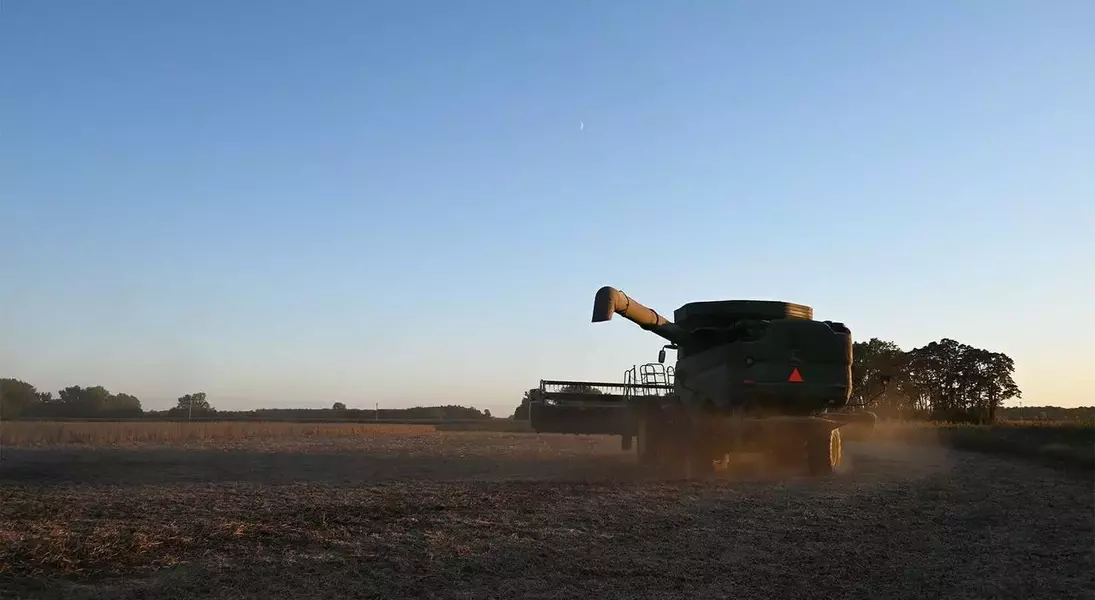
Effective post-harvest field preparation is essential, particularly regarding the distribution of crop remnants. Maintaining an even spread of this organic material across the field prevents the formation of problematic microclimates. Unevenly distributed residue can significantly hinder the consistent growth and emergence of future crops, including both cash crops and beneficial cover crops. Furthermore, it can disrupt the uniform availability of vital nutrients in the soil. To combat these issues, farmers should carefully adjust their harvesting equipment, such as combines, to ensure the plant matter is dispersed uniformly across the entire width of the header. For instance, in soybean fields, using sharp sickle sections helps maintain consistent stem size, and harvesting with the wind can optimize spreader patterns. For corn, cutting stalks to specific lengths aids in distribution and simplifies spring planting operations.
Achieving a consistent layer of crop residue offers numerous advantages. Primarily, it establishes a uniform soil environment, which is crucial for optimal seed germination. Areas with dense residue retain more moisture and stay cooler, potentially fostering slug infestations and delaying growth. Conversely, thinly covered areas can dry out too rapidly and overheat, stressing seedlings and encouraging weed proliferation. By ensuring even residue coverage, farmers can create a balanced thermal and moisture profile across their fields, promoting synchronized planting depths and uniform emergence, leading to robust and healthy crop stands. Moreover, uniform residue distribution ensures an even spread of nutrients as the material decomposes, mimicking precise fertilizer application and providing consistent fertility throughout the field.
Neglecting proper residue management can lead to several adverse effects, especially for cover crops. Poorly distributed residue can result in sparse cover crop stands, which in turn leads to increased weed competition and reduced biomass. This lack of robust cover crop growth compromises their ability to return organic matter to the soil, scavenge nutrients, and prevent soil erosion. Since cover crops represent a significant investment, maximizing their benefits is crucial. Farmers are encouraged to inspect residue distribution as it exits the combine and make necessary adjustments. Utilizing modern tools like drones can simplify this monitoring process, enabling precise modifications. Investing time in these adjustments during the fall can lay the groundwork for superior crop and cover crop performance in subsequent seasons.
By prioritizing the meticulous management of crop residue, agricultural practices move towards greater efficiency and sustainability. This careful attention to detail not only optimizes immediate yields but also contributes to the long-term health and productivity of the land, demonstrating a commitment to responsible stewardship and the enduring vitality of our agricultural systems.
