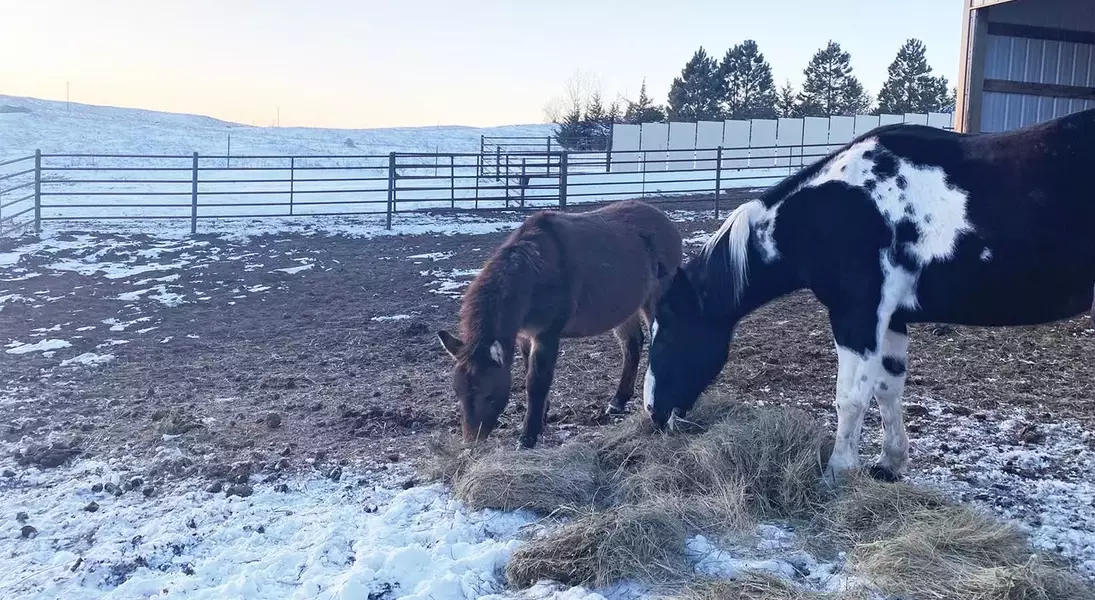
When considering the dietary needs of horses, the choice of forage plays a pivotal role in their overall well-being and athletic condition. Logan Leach, a seasoned horse trainer based in Arizona with roots in Nebraska's Sandhills, advocates for high-quality alfalfa, particularly second or third cuttings, for the high-value horses under his care. He notes that Nebraska and South Dakota are prime regions for producing excellent alfalfa, which is why he prioritizes its inclusion in his horses' diets. Leach distinguishes alfalfa from grass pastures, typically reserving the latter for cattle, and emphasizes the importance of purchasing feed tailored to equine needs, such as alfalfa hay or hay cubes, rather than compromising on quality by using cow feed for horses.
Beyond nutritional value, the purity of hay is paramount. Leach strongly advises against feeding horses hay contaminated with weeds, regardless of whether it's for cattle or horses. The temporary cost savings from cheaper, weed-laden hay can lead to long-term issues, as invasive seeds can infest pastures and become difficult to eradicate. Furthermore, while legumes like alfalfa and clover are rich in essential nutrients, protein, minerals, and energy, it's crucial to manage the richness of the forage. For instance, Minnesota Extension research indicates that highly palatable, nutrient-dense options like fourth-cutting alfalfa can lead to obesity in horses if not carefully monitored. This underscores Leach's preference for less potent cuttings and his suggestion of introducing pasture grass in limited, controlled amounts if a horse starts gaining excessive weight. Vigilance against mold in legume hay is also a critical aspect of horse health management.
In addition to alfalfa, cool-season grasses such as brome, orchardgrass, timothy, and fescue are acceptable components of a horse's diet, though they offer lower levels of protein, calcium, and calories compared to legumes. Regardless of the type, several factors are critical when evaluating forage. Hay quality should be assessed by its maturity and texture, ensuring it's neither too coarse nor too sharp to ingest. A pleasant, sweet aroma is a good indicator of freshness, while any off-odors suggest spoilage. Equally important is the moisture content, which should ideally fall between 10% and 15% to prevent mold growth, as per University of Minnesota Extension guidelines. Conversely, overly dry hay can result in leaf loss and a reduction in nutritional value, highlighting the delicate balance required in hay production and storage for optimal equine health.
Prioritizing the health and well-being of horses through careful forage selection is a testament to responsible animal husbandry. By focusing on quality, nutritional balance, and environmental safety, horse owners and trainers contribute to a thriving equine community. The dedication to providing optimal feed, free from contaminants and balanced in nutrients, reflects a broader commitment to fostering healthy lives and peak performance for these magnificent animals.
