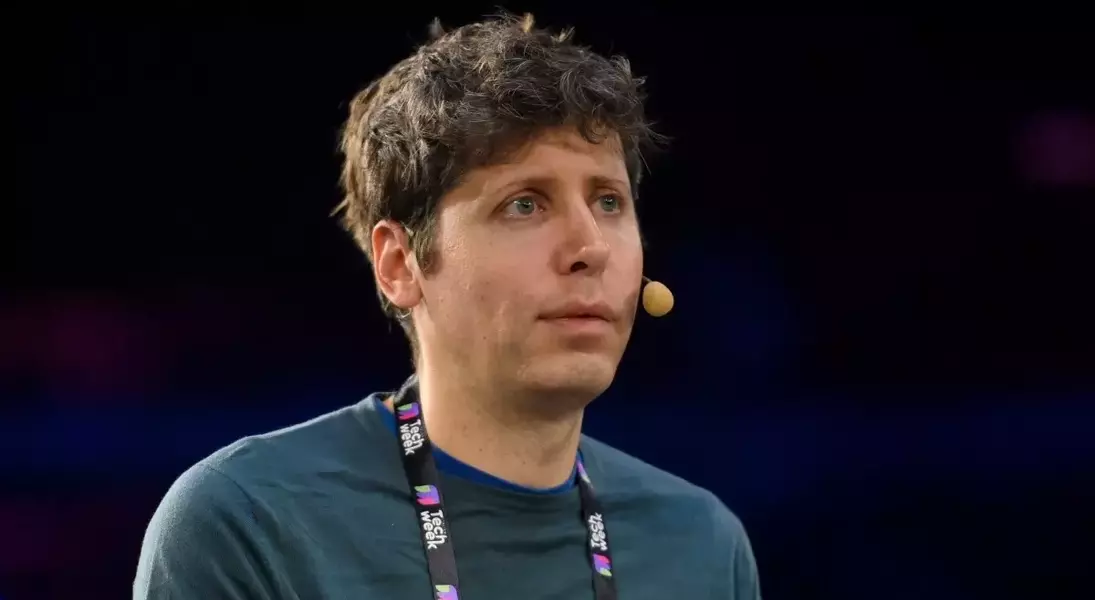
During an interview at The New York Times’ DealBook Summit on Wednesday, a significant discussion took place. OpenAI CEO Sam Altman firmly stated that it would be “profoundly un-American” for Elon Musk, the CEO of X and Tesla, to utilize political influence to “hurt competitors” and “advantage [his] own businesses.” This assertion holds great weight and has sparked much debate.
OpenAI CEO's Bold Stand Against Elon Musk's Political Influence
OpenAI vs. xAI: The Rivalry and Its Implications
During the interview, Altman called xAI a “serious competitor.” This rivalry between OpenAI and xAI has far-reaching implications. OpenAI has been at the forefront of artificial intelligence development, while xAI, owned by Musk, is also making significant strides. The competition between these two entities is not only driving innovation but also raising questions about the future of the industry. It highlights the intense battle for dominance in the AI space and the potential impact it can have on various sectors.Altman's comments about Musk's potential misuse of political influence add another layer of complexity to this already intense rivalry. The idea that a major figure like Musk could use his political clout to gain an unfair advantage over his competitors is a concern that resonates with many in the industry. It raises questions about the ethics and fairness of such actions and the need for regulations to ensure a level playing field.
Musk, on the other hand, is suing OpenAI, accusing the company of abandoning its original mission and harming rivals like xAI through anticompetitive behavior. This legal battle further intensifies the already strained relationship between the two companies. It showcases the intense competition and the willingness of both sides to take legal action to protect their interests.
Musk's Planned Advisory Commission: DOGE and Federal Agency Cuts
Musk, alongside Vivek Ramaswamy, is leading DOGE, a planned advisory commission that aims to recommend deep cuts to federal agencies. This initiative by Musk shows his influence and his desire to have a say in government policies. The potential impact of these cuts on various sectors and the economy is a topic of great concern. It raises questions about the balance between private interests and public service and the role of business leaders in shaping government decisions.Musk's ownership of xAI and his potential input into incoming President Donald Trump's AI policy lead also add another dimension to the situation. If Trump decides to appoint an AI policy lead, Musk's influence could play a significant role in shaping that policy. This raises questions about the potential conflicts of interest and the need for transparency in such decision-making processes.
The entire situation highlights the complex and intertwined nature of the business and political worlds. The actions and decisions of figures like Musk and Altman have far-reaching consequences that extend beyond their respective companies. It emphasizes the need for careful consideration and regulation to ensure a healthy and competitive environment in the AI industry.
