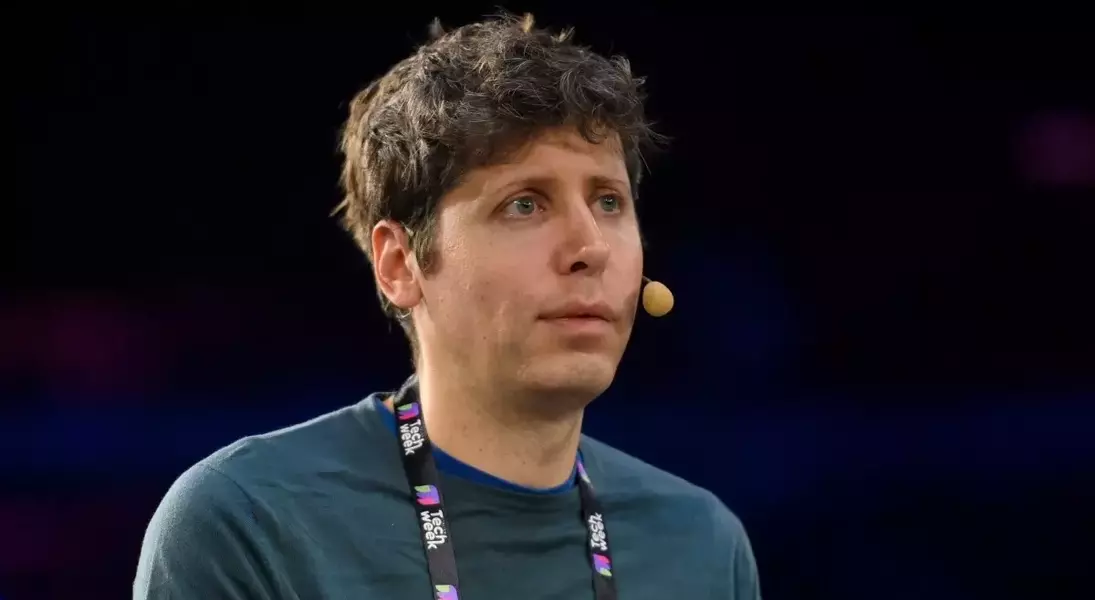
OpenAI, a pioneer in artificial intelligence, is currently undergoing a significant transition. The company, which was initially founded as a nonprofit in 2015 by CEO Sam Altman and several AI researchers and entrepreneurs, is now moving towards a corporate structure where a nonprofit board governs. This shift is well underway, and it holds significant implications for the future of the company.
OpenAI's Journey from Nonprofit to For-Profit and Back
Background and Foundation
In 2015, OpenAI was established with the noble goal of advancing artificial intelligence in a collaborative and ethical manner. It operated as a nonprofit, bringing together like-minded individuals to work towards common goals. However, as the company grew and its ambitions expanded, it became clear that additional capital was needed to fuel its research and development.In 2018, faced with the challenge of raising sufficient funds, some within the group decided to adopt a new corporate structure. A for-profit OpenAI was formed, allowing the company to take on investors while still maintaining the oversight of the nonprofit board. This dual structure presented unique challenges and opportunities for the company.The Pressure to Act
According to The New York Times, OpenAI is currently in discussions to pay the nonprofit billions of dollars for ceding control. There is a clear sense of urgency, as the company must change its corporate structure within two years. Failure to do so could result in the conversion of the $6.6 billion raised recently into debt.This pressure highlights the importance of finding a balanced solution that satisfies the interests of both the for-profit and nonprofit entities within OpenAI. It also underscores the need for careful negotiation and strategic decision-making.The Role of the Board
OpenAI board chairman Bret Taylor emphasized the importance of reconfiguring the corporate structure. The nonprofit and for-profit entities within the company need to find a way to work together harmoniously, with the nonprofit providing guidance and oversight while the for-profit focuses on generating revenue and driving growth.The board's role will be crucial in ensuring that this transition is carried out smoothly and that the interests of all stakeholders are protected. It will require careful coordination and communication between the different parts of the organization.Future Implications
The transition away from a for-profit corporation to a nonprofit-governed structure has the potential to shape the future of OpenAI. It could lead to a greater focus on long-term research and development, with an emphasis on advancing artificial intelligence in a responsible and sustainable manner.On the other hand, the for-profit entity will continue to play a vital role in generating revenue and funding the company's operations. Finding the right balance between these two aspects will be key to OpenAI's success in the years to come.In conclusion, OpenAI's corporate restructuring is a complex and significant process that will have a lasting impact on the company. As the discussions with the nonprofit continue and the transition unfolds, it will be interesting to see how OpenAI navigates this new chapter in its history. You May Like