In 2024, numerous sites witnessed a decline in their organic traffic, largely attributed to the ascent of AI-generated search results. Many queries no longer lead to click-throughs, and even when users do click, it becomes challenging for companies to obtain more context regarding searches made within apps like ChatGPT or Perplexity.
Generative Engine Optimization: The Answer to the Problem
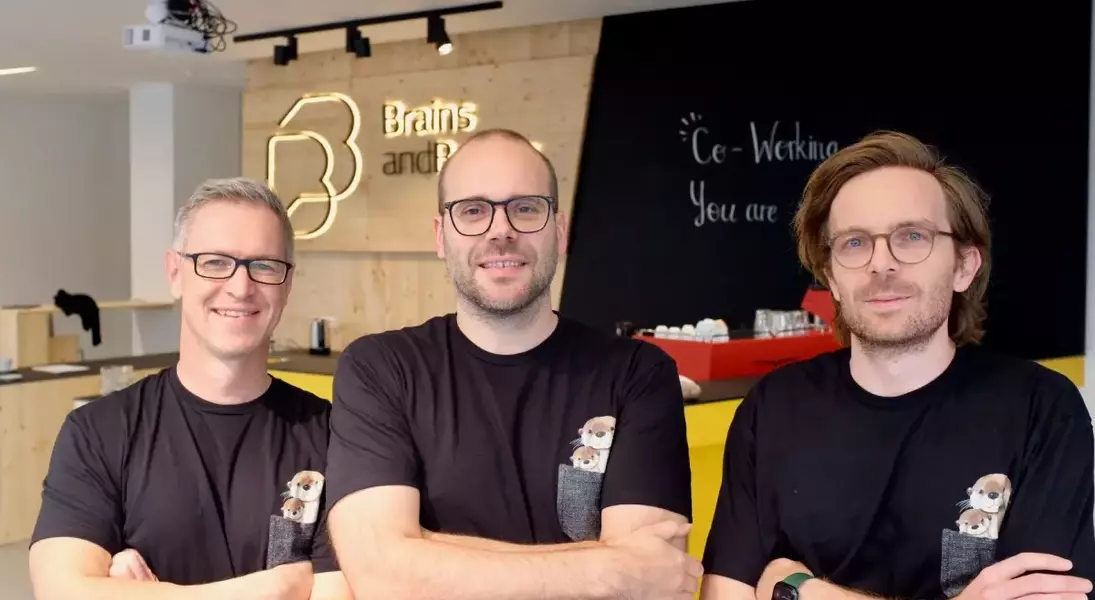
This problem is sometimes referred to as generative engine optimization, or GEO, in recognition of SEO. As stated by Otterly.AI CEO Thomas Peham (seen on the right in the image above), "Some call it AI search visibility optimization, which is a bit longer but I believe is more accurate."Building Dashboards for AI Search Optimization
Similar to New York-based competitor Profound, the Austrian startup Otterly builds dashboards to assist companies and ad agencies in monitoring and optimizing their presence in AI results. While Profound is still in closed beta, Otterly has passed the 1,000-user milestone and is no longer in stealth mode, as Peham exclusively told TechCrunch.You might have come across Otterly earlier this year when it launched on Product Hunt with some success. However, Google's introduction of AI Overviews in May disrupted everything.AI Overviews and Their Impact on Organic Search
AI Overviews are Google's implementation of AI-powered results, frequently resulting in zero-click searches where users do not go beyond the search engine. As AI Overviews begins to roll out globally, companies that relied on organic search traffic are feeling the effects. For instance, a SaaS business saw its organic search presence decline in the US, only to discover through Otterly that Google was showing AI Overviews search results for half of its SEO keywords.Making Knowledge Actionable in the Age of LLMs
The next question is how to make this knowledge actionable, especially when LLMs are often regarded as a black box. This is one reason why Otterly plans to add a recommendation engine. In the meantime, it has shifted from monthly to weekly tracking to enable marketing teams to conduct experiments and quickly determine what is working or not.Although this tinkering is somewhat similar to SEO, clicks are not the primary focus. As Peham said, "I think calling it AI search visibility optimization really emphasizes the aspect that we as marketing teams also need to consider our brand position and visibility."Peham himself has spent the majority of his career in marketing. As a former VP of marketing at CMS company Storyblok, he founded Otterly to address his own concerns and understand how ChatGPT was influencing search from a brand perspective.Eventually, he joined forces with two co-founders, Josef Trauner (in the middle in the image above) and Klaus M. Schremser (on the left). Trauner is focused on technical aspects, while Schremser is responsible for operations and product. Having two co-founders allows them to divide tasks effectively. Additionally, Schremser's previous experience as the former CEO and head of growth at Usersnap, which was sold to saas.group in 2023, is beneficial.Otterly plans to continue growing with its customer base and aims to become what Semrush or Ahrefs is for SEO but in the AI search space. There is always a risk that these companies may expand their scope and become direct competitors, but Otterly hopes to collaborate with them. It plans to announce details of a partnership with Semrush next month, as Peham mentioned.You May Like