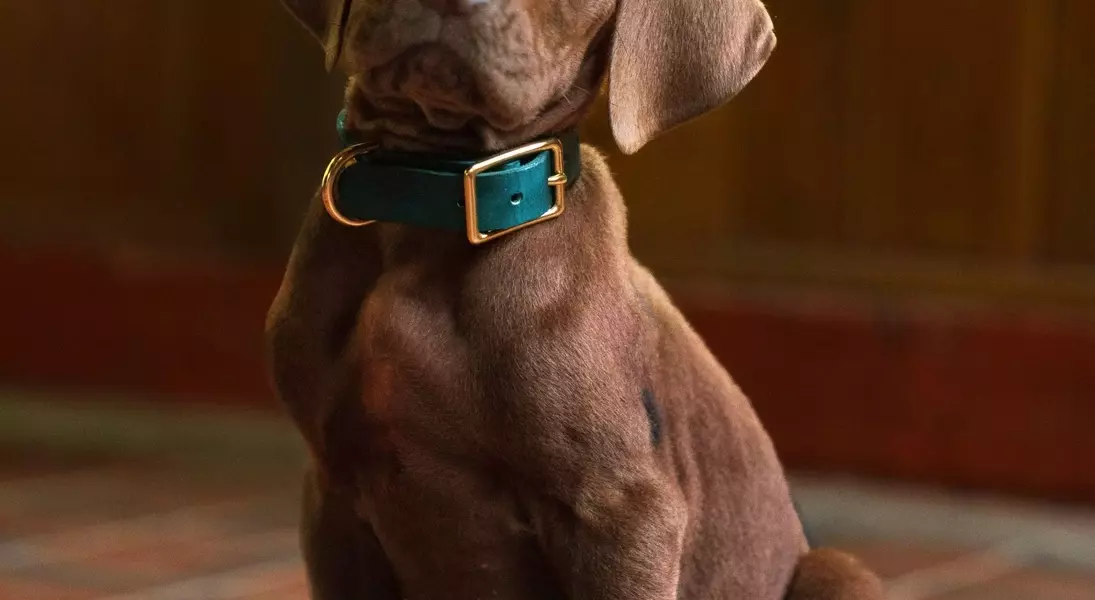
A recent online commotion has erupted following the initial reveal of Scooby-Doo in the forthcoming Netflix live-action adaptation, 'Scooby-Doo: Origins.' This series is poised to delve into more supernatural horror elements, drawing comparisons to 'Riverdale's' reinterpretation of 'Archie Comics.' Notably, the production has opted for a genuine puppy to portray Scooby, a departure from the prevalent trend of using computer-generated animals in Hollywood. Despite these progressive choices, a surprising segment of online enthusiasts has expressed outrage, specifically questioning the breed of the puppy, an issue that has been widely deemed as trivial.
Details Unfold: The Great Dane Debate
On a Monday, the public received its inaugural look at the beloved canine character from the new Netflix series, 'Scooby-Doo: Origins.' This modern rendition aims to infuse the classic cartoon with a darker, supernatural horror tone, echoing the transformation seen in 'Riverdale.' A significant decision by the production team was to cast a real-life puppy for the role of Scooby, moving away from the common industry practice of employing CGI animals. This choice was generally well-received, aligning with the franchise's potential for a fresh, eerie direction. However, the online community, particularly fans of Scooby-Doo, quickly found a contentious point: the appearance of the puppy itself.
Reports from platforms like Variety's Facebook page, Instagram, Reddit, and X revealed a flurry of comments from users disputing the puppy's breed. Many asserted that the dog did not resemble a Great Dane puppy, with some suggesting it looked more like a Labrador Retriever or simply an unfamiliar breed. This widespread skepticism led to an unforeseen online debate, as numerous fans expressed their conviction that the casting was inaccurate based on their understanding of Great Danes.
In response to the skepticism, more knowledgeable dog enthusiasts and Great Dane owners stepped forward. They posted images and provided explanations, confirming that the puppy cast in the series is indeed a Great Dane. The confusion, it appears, stems from the significant physical changes Great Danes undergo as they mature. Their distinctive jowly appearance, often associated with the breed, typically develops when they reach 18 to 24 months of age. Furthermore, the iconic cropped ears of the cartoon Scooby-Doo, a common practice in the 1960s when the original series began, might have contributed to the public's distorted perception, as ear cropping is now widely considered inhumane. This situation suggests that decades of exposure to a stylized cartoon depiction might have inadvertently skewed the public's understanding of what a young Great Dane genuinely looks like.
Reflecting on Public Perception and Adaptation
This incident offers an interesting insight into the intersection of cherished cultural icons, artistic interpretation, and public perception. The strong reactions from fans regarding the breed of a fictional character's real-life counterpart highlight the deep emotional connection audiences form with beloved franchises. It also underscores a potential disconnect between idealized, long-standing cartoon portrayals and the realities of the natural world. Perhaps it serves as a reminder that while adaptations strive for authenticity, they also navigate a landscape of ingrained expectations shaped by years of media consumption. The debate, though seemingly minor, sparks a broader conversation about how faithfully adaptations should adhere to original designs versus embracing realistic portrayals, especially when dealing with live-action transformations of animated classics.
