




The author recounts a personal experience of pulling a highly sought-after 'Secret Illustration Rare' Charizard card from a Pokémon pack, a moment that was met with excitement and cheers. Despite having spent a considerable amount to acquire the card, its market value quickly appreciated, highlighting the surprising financial gains currently possible within the Pokémon TCG market. This immediate surge in value challenges the traditional understanding of collectible card depreciation and underscores a broader, concerning trend within the hobby.
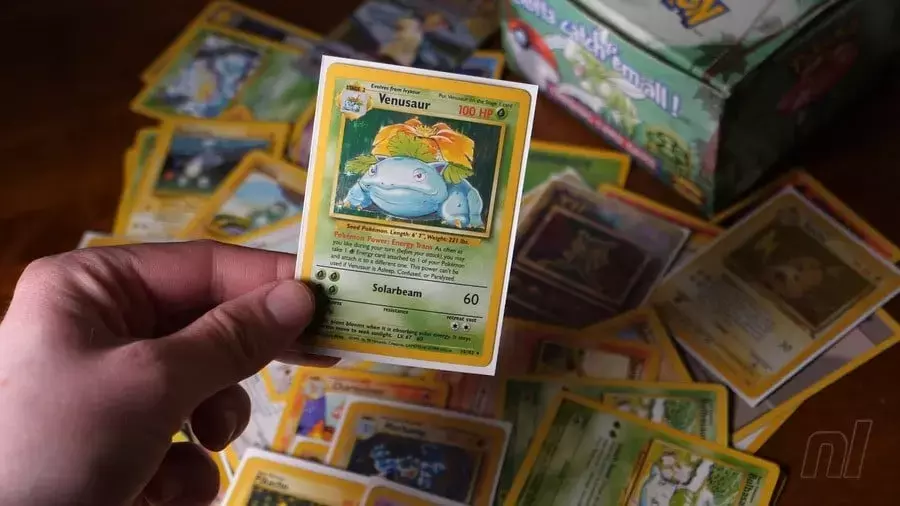
The escalating value of Pokémon cards, particularly rare, non-serialized editions, is raising concerns about the long-term health of the product and its accessibility. The author notes a significant increase in card values, citing a 282% rise between 2004 and 2020, and an astounding 1,350% increase between 2020 and today, according to industry indices. This financial boom has unfortunately led to a chaotic market, characterized by adults aggressively competing for products in stores, online bots monopolizing sales, and the emergence of new industries centered on card ripping and reselling. This environment deters younger collectors and those who simply wish to enjoy the game recreationally, transforming it from a leisure activity into a high-stakes economic endeavor, blurring the lines between a hobby and a speculative market.
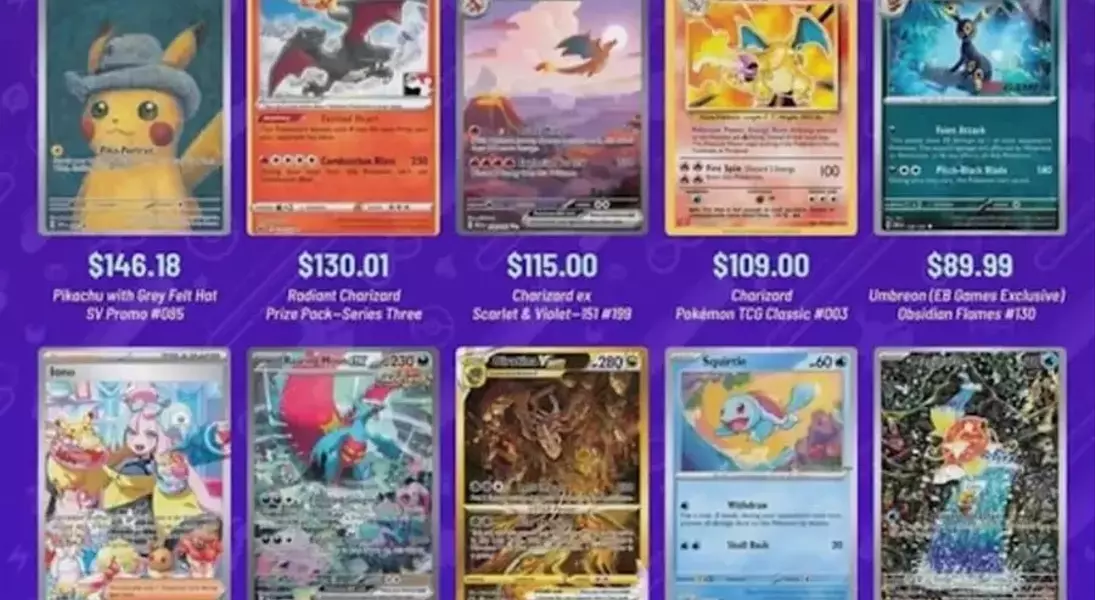
The current state of the Pokémon TCG market, where cards can command prices equivalent to down payments on significant assets, suggests that it is no longer merely a hobby but a luxury collectible driven by market forces and economic uncertainty. This shift is not unique to Pokémon cards but reflects a broader trend in luxury collectibles, exacerbated by global economic factors such as deregulation, inflation, and wealth inequality. The collectables market, particularly Pokémon cards, has become a perceived safe haven for investment, with numerous individuals and businesses now relying on it for their livelihoods. This symbiotic relationship between the TCG and the aftermarket, fueled by extensive media coverage and grading services, indicates a permanent transformation where the pursuit of these cards requires significant dedication, far beyond what is typically associated with a casual pastime.
The phenomenon of Pokémon cards transitioning from a beloved hobby to a significant economic asset reflects a broader societal trend where leisure activities are increasingly monetized. While individual enjoyment and collecting still exist, the overwhelming market dynamics necessitate a reevaluation of what it means to participate in the Pokémon TCG. This evolution, driven by market demand and investment interest, underscores the need for enthusiasts to adapt their expectations and recognize the dual nature of collecting in a world where everything can become a commodity.
