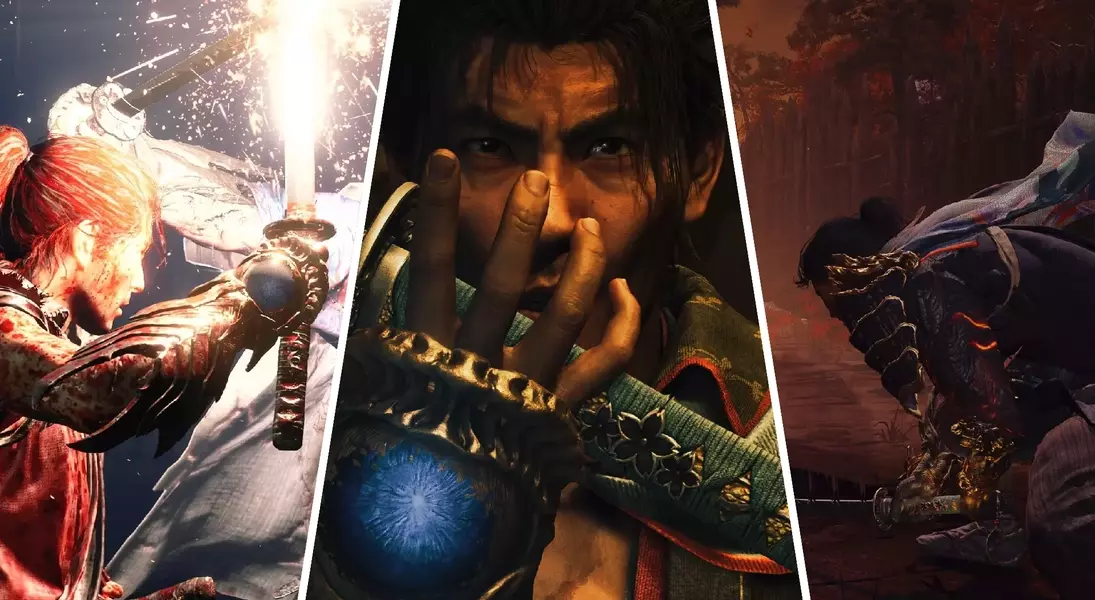
While some action games might overwhelm players with a flurry of complex mechanics from the outset, "Onimusha: Way of the Sword" adopts a more measured approach. It introduces its defensive capabilities incrementally, beginning with the fundamental parry. This measured introduction, though initially slow, paves the way for a profoundly gratifying combat experience that blossoms as players invest more time.
The Unfolding Symphony of Combat in Onimusha: Way of the Sword
"Onimusha: Way of the Sword" may initially deceive with its deliberate pace, particularly concerning its combat system. Many players, accustomed to immediate action, might find its measured introduction, focusing on basic parrying, a bit slow. However, this is merely the game's cautious welcome, akin to a gentle overture before a grand symphony. The game’s true depth unfurls gradually, revealing a combat system that is both intricate and immensely rewarding for those who persevere.
The journey begins with the ubiquitous timed block, or "deflect," a mechanic so common in action games that it can lead to what some term "parry fatigue." Yet, in "Onimusha," this seemingly simple mechanic is just the first note in a complex composition. As protagonist Musashi progresses through his adventure, his arsenal of defensive and offensive maneuvers expands dramatically. Beyond the basic deflect, players unlock a more nuanced parry that demands a held block button, and a precisely timed dodge specifically effective against unarmed attacks.
The pinnacle of Musashi's defensive capabilities is the "Issen." This high-risk, high-reward reversal requires immaculate timing, pressing an attack button at the very last second. Successfully executing an Issen can instantly dispatch lesser foes, inflict substantial stagger and damage on stronger adversaries, and even charge a "super state" allowing for more frequent Issen activations. This mechanic transforms combat into a thrilling rhythm game, where precision and daring are generously rewarded.
What truly sets "Onimusha" apart is the dynamic interplay between Musashi’s diverse abilities and the varied attacks of his enemies. Foes deploy a range of assaults, from weapon strikes that can be swatted aside to unarmed flurries requiring agile dodging. Grabs force players to momentarily break their rhythm, demanding a well-timed dodge to counter. Blade barrages test players' quick reflexes, while unpredictable blade locks trigger impromptu duels, demanding immediate responses.
Enemies also employ strategic counter-stances, compelling players to interrupt them with fisticuffs, or unleash unavoidable attacks that necessitate a parry or deflect. At its most intense, "Onimusha" never allows for complacency. Opponents consistently present new combinations of threats, turning each encounter into a deadly, high-stakes game of rock-paper-scissors. This constant demand for adaptability and strategic thinking is what elevates "Onimusha"'s combat beyond mere button-mashing.
For those well-versed in the action genre, particularly fans of titles like "Sekiro" and its spiritual successors such as "Lies of P" and "Nine Sols," "Onimusha" offers a combat system that is not only robust but also uniquely textured. Its design is exceptionally thoughtful, making the initial slow burn a minor drawback in an otherwise brilliant experience. By the game's mid-point, it sheds its training wheels, revealing a challenging and deeply satisfying core that thrives on player mastery.
Recurring boss and miniboss encounters, often a point of criticism in other games, become celebrated opportunities in "Onimusha." What were once formidable challenges transform into stages for players to showcase their acquired prowess. Foes that initially presented significant hurdles are now dispatched with elegant precision, a testament to the player's understanding of their attack patterns and the expanded toolkit at their disposal. These rematches feel less like repetitive chores and more like triumphant reunions with old adversaries, allowing players to demonstrate how far they've come.
Therefore, if "Onimusha: Way of the Sword" initially feels sluggish or overly familiar, a continued investment is highly recommended. Even those weary of the prevalence of parry-based mechanics in modern games should give this title a chance. Despite its deliberate opening, it stands as a best-in-class action game that richly rewards patience and dedication with an unparalleled sense of combat mastery.
"Onimusha: Way of the Sword" offers a valuable lesson in game design: sometimes, a slow burn leads to the most explosive and satisfying conclusions. The initial restraint in introducing its combat mechanics ultimately serves to deepen the player's appreciation and mastery of each new ability. This approach fosters a sense of genuine growth and accomplishment, making every hard-won victory feel truly earned. In an era where instant gratification often dominates, "Onimusha" reminds us that patience can be a virtue, transforming a seemingly conventional action game into an unforgettable journey of skill and discovery.
