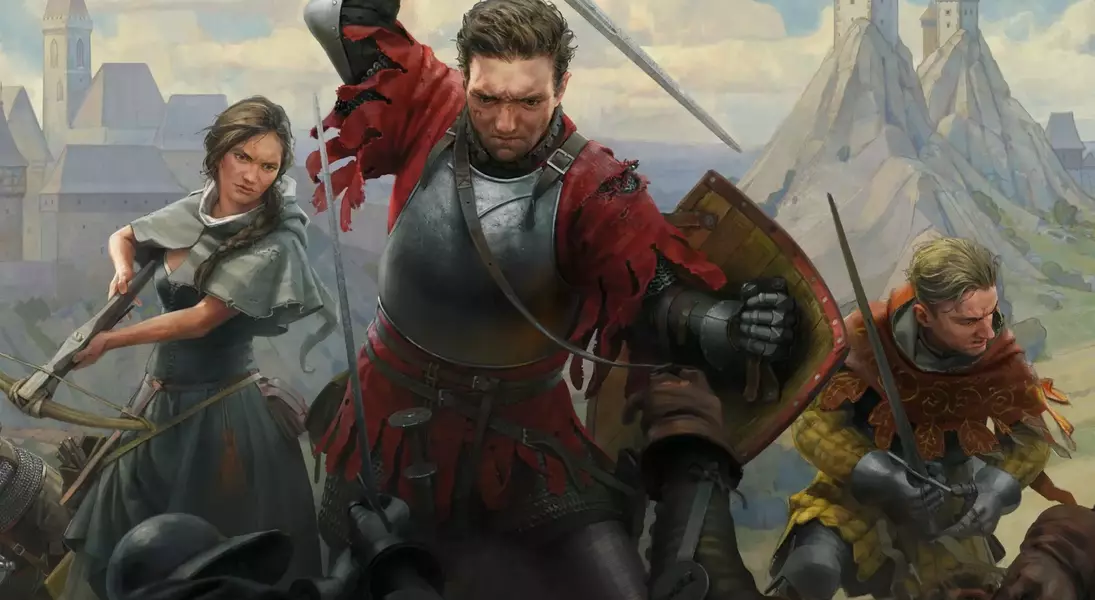
This article explores the ongoing discussion surrounding NVIDIA's DLSS 5 technology, focusing on the perspective of Daniel Vávra, director of the acclaimed Kingdom Come: Deliverance games. It delves into his defense of the technology, showcasing how he believes it enhances his artistic vision, and contrasts this with critical views on AI's impact on game development and artistic integrity.
Unveiling Enhanced Realism: The Director's Perspective on DLSS 5
The Controversial Nature of DLSS 5 in Gaming
NVIDIA's DLSS 5 technology continues to spark considerable debate within the gaming community and among developers. A primary point of contention revolves around the technology's perceived 'uncanny' visual output, leading to discussions about whether it compromises a game's intended artistic style. Despite NVIDIA's efforts to mitigate these concerns, the conversation persists, touching upon the broader implications of AI in creative fields.
Director's Defense: DLSS 5 as an Artistic Tool
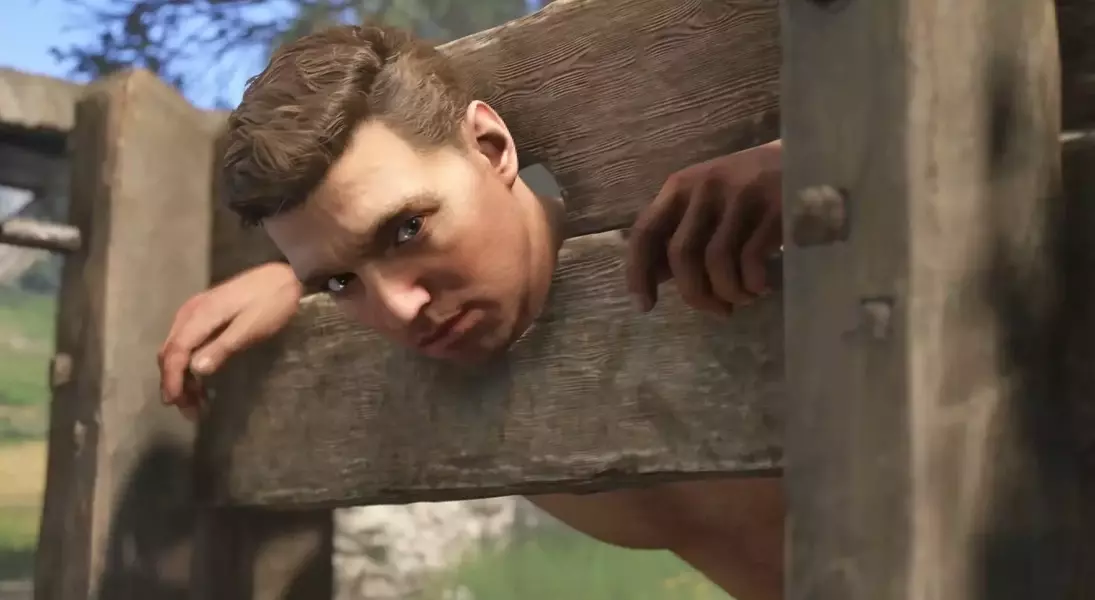
Daniel Vávra, the creative mind behind both Kingdom Come: Deliverance titles, has stepped forward as a vocal advocate for DLSS 5. He recently utilized social media to highlight how the technology actively contributes to realizing his team's artistic objectives. Vávra presented a compelling visual comparison from Kingdom Come: Deliverance 2, illustrating how DLSS 5 significantly improves graphical elements, thereby aligning the game's visuals more closely with his original vision.
Overcoming Engine Limitations with Advanced Rendering
Vávra elaborated that previous technical constraints of the game engine hindered proper rendering of intricate details like shadows, skin textures, and normal maps, particularly on character models. He vehemently stated that these imperfections were never part of their artistic ambition. DLSS 5, according to Vávra, serves as a crucial tool to overcome these limitations, ensuring that elements like realistic helmet shadows and accurate texture mapping are faithfully represented, thus elevating the game's visual storytelling.
Community Reactions: A Divided Opinion on AI's Role
The director's defense has ignited varied reactions among the online community. While some acknowledge the technical improvements DLSS 5 brings, others voice concerns that such AI-driven enhancements can inadvertently lead to an overly polished, almost unnatural aesthetic. Critics argue that while AI can refine visual aspects, it should not dictate artistic choices, suggesting a potential loss of human touch in the pursuit of perfection. This discussion extends to the broader impact of AI in development, recalling instances where AI was perceived to replace human talent.
The Broader Debate: AI in Game Development
The discourse surrounding DLSS 5 is part of a larger, ongoing dialogue about artificial intelligence's evolving role in game creation. From enhancing graphical fidelity to potentially streamlining development processes, AI's presence is becoming more pronounced. However, this progress also raises fundamental questions about artistic ownership, the authenticity of creative expression, and the balance between technological innovation and human artistry in the future of gaming.
