
At CES 2026, Nvidia's CEO Jensen Huang outlined a bold new direction for the future of gaming graphics, firmly rooting it in artificial intelligence. He declared that neural rendering, epitomized by technologies like DLSS, represents the inevitable evolution of how visual content will be generated in gaming. This vision moves beyond traditional rendering methods, promising more efficient and versatile graphic production.
Revolutionizing Visuals: AI is the Future of Gaming Graphics
Nvidia's AI-Centric Revelation at CES 2026
Nvidia's presence at CES 2026 revolved heavily around artificial intelligence, a theme consistently highlighted by CEO Jensen Huang. While PC gaming received attention with the introduction of DLSS 4.5, promising enhanced performance for 4K 240Hz path-traced gaming, Huang made it unequivocally clear that AI's role extends far beyond mere performance boosts. He articulated that AI is set to redefine the very essence of graphics generation in the coming years.
The Dawn of Neural Rendering: A New Era for Graphics
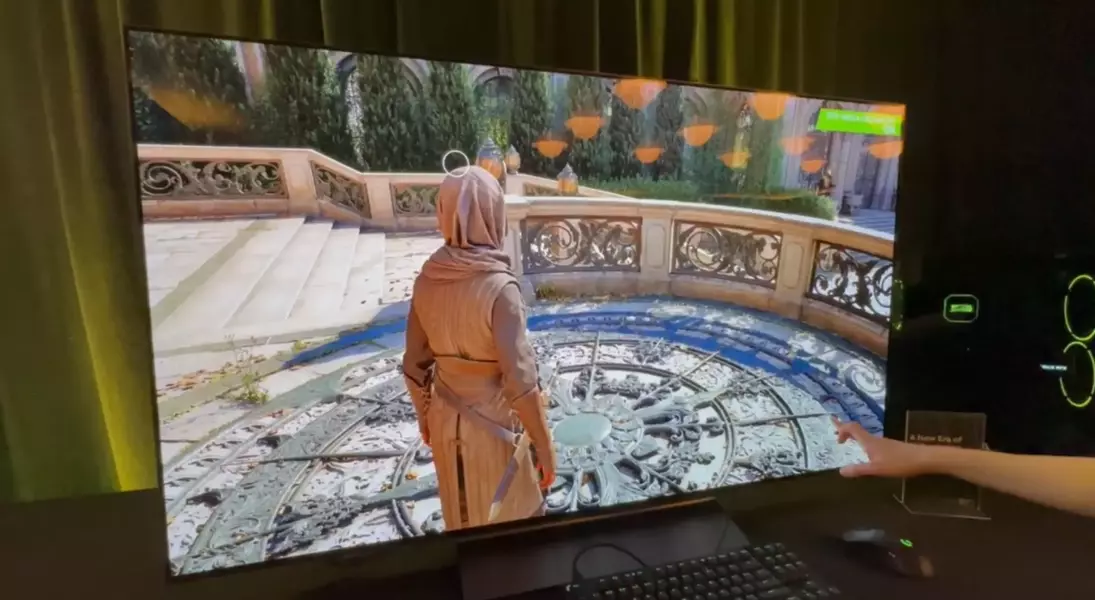
The concept of neural rendering isn't new to Nvidia, having been a recurring theme since previous CES events. Other industry players, including Microsoft with its Direct3D cooperative vectors and AMD with FSR Redstone, have also embraced AI-driven rendering. This collective shift signals a broad industry consensus: artificial intelligence is becoming an indispensable component of the graphics pipeline. During a Q&A session, Huang sidestepped discussions on the peak of traditional rasterization, instead emphasizing that neural rendering, akin to DLSS, is the optimal approach for future graphics.
Beyond Traditional Generation: The Power of AI
Huang elaborated on his vision, describing a future where systems can generate imagery across a vast spectrum of styles, from hyper-realistic photographs at incredibly high frame rates to stylized cartoon visuals. The fundamental difference lies in the word "generate." While all graphics involve generation, neural rendering significantly reduces the amount of input data needed to achieve high-quality graphical output compared to conventional rasterization techniques. This efficiency could lead to substantial advancements in how games look and perform.
The Shift from Extensive Data to Intelligent Generation
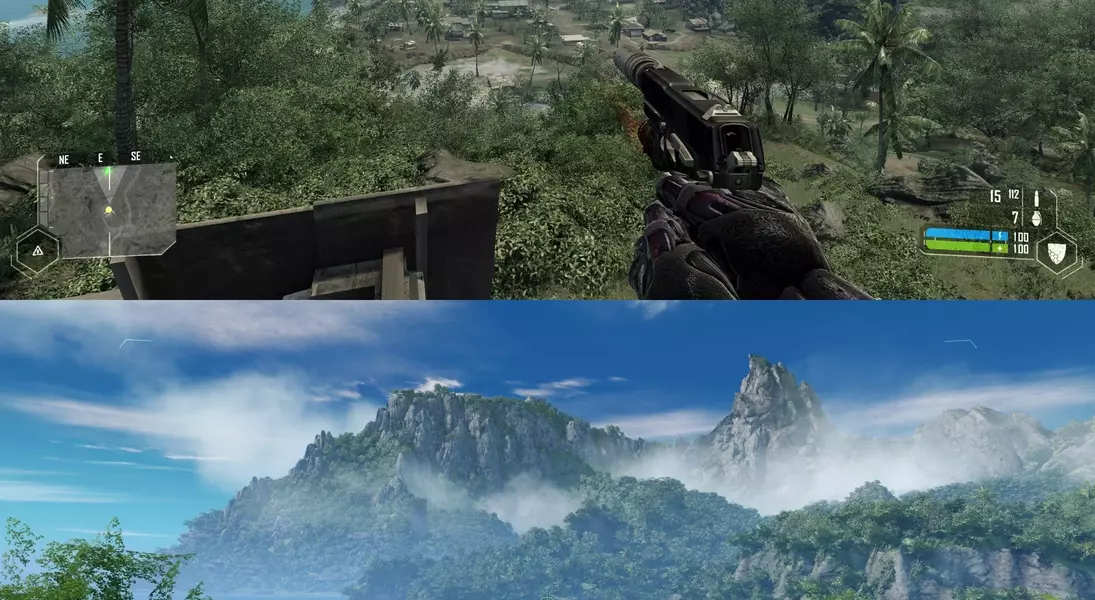
Consider classic games like the original Crysis, where intricate visuals were meticulously constructed from vast amounts of vertices, texture maps, and rendering resources. Nearly two decades later, this approach still demands massive data volumes. However, as demonstrated by DLSS Super Resolution, AI graphics can operate more efficiently. DLSS upscales frames by rendering at a lower resolution and then using a neural network to refine the image, reducing artifacts. Neural rendering proposes an even bolder step: utilizing lower-resolution assets initially and generating higher-quality details as needed, thereby streamlining the entire graphics production process.
Unanswered Questions in the AI-Driven Future of Gaming
The ultimate impact of neural rendering on gaming remains a topic of debate. For many players, the method of graphic production matters less than the final visual quality and performance. Currently, AI's role in gaming graphics is largely confined to upscaling and frame generation, with rasterization still underpinning most of the visual pipeline, even with ray tracing. This raises critical questions: Will future GeForce GPUs continue to prioritize rasterization advancements, or will performance gains primarily stem from improved DLSS technology? Are future GPUs destined to become specialized AI processing units? How will these new chips handle legacy graphics routines? Nvidia's clear commitment to neural rendering suggests a need for greater transparency regarding its long-term roadmap for gaming GPUs and its strategy for supporting current and future gaming experiences.
