Maintaining cognitive function as we age is a paramount concern, and diet emerges as a powerful ally in this endeavor. Beyond the physical aspects of aging, our brains also benefit from dedicated care, which can be significantly supported by the foods we consume. Scientific research consistently highlights specific nutritional choices that can help safeguard cognitive abilities and preserve mental acuity, memory, and focus. Incorporating certain foods into your daily meals can transform routine eating into a brain-boosting ritual. These dietary adjustments, complemented by other healthy lifestyle practices, are crucial for sustaining a sharp and vibrant mind well into later life.
Protecting cognitive health involves more than just diet; it requires a holistic approach that includes various lifestyle factors. While genetics play a role, proactive measures can significantly mitigate the risk of cognitive decline. Regular physical activity enhances blood flow to the brain and encourages new brain cell growth, making it an indispensable component of brain health. Mental challenges, such as learning new skills or engaging in puzzles, build cognitive reserve, increasing the brain's resilience. Additionally, maintaining strong social connections and ensuring sufficient, quality sleep are vital for preserving brain function. By integrating these strategies, individuals can establish a comprehensive defense against cognitive decline, fostering a sharper mind for years to come.
The Power of Nutrition: Key Foods for Brain Health
As individuals reach their mid-fifties and beyond, the importance of diet in maintaining cognitive sharpness becomes increasingly evident. Just as physical well-being requires attention, so too does mental acuity. Scientific insights reveal that various foods deliver critical nutrients that may offer protection against cognitive decline, thereby supporting memory and concentration. Making conscious and nourishing food choices daily can profoundly influence the aging process of our brains. By integrating specific items into your regular meals, you can transform your eating habits into a potent tool for cognitive support. This section delves into five scientifically-backed foods that are instrumental in safeguarding brain function as you age.
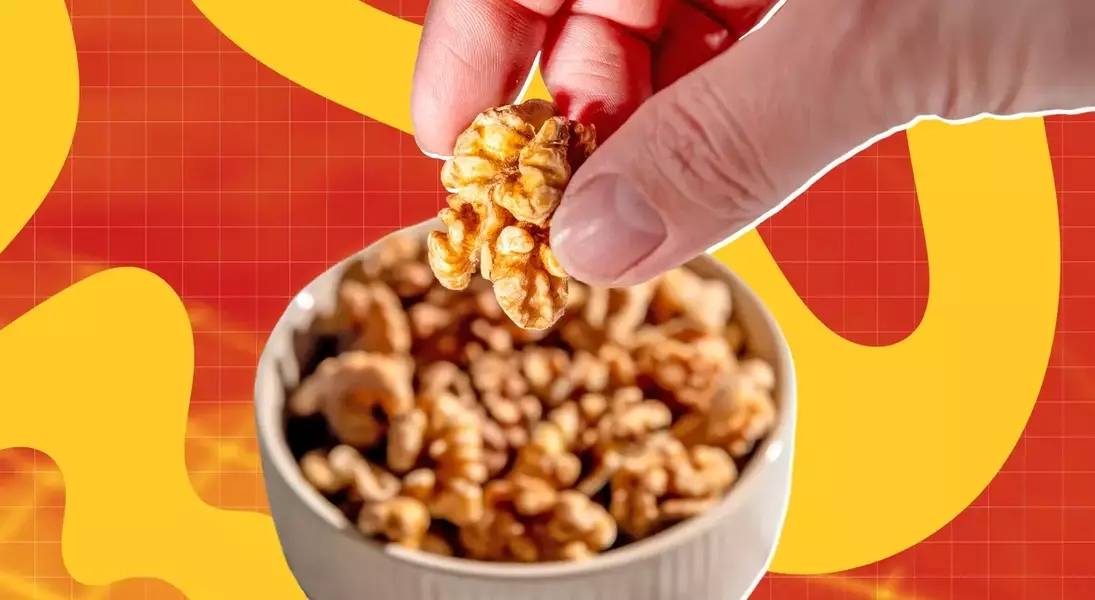
Fatty fish, such as salmon, mackerel, and sardines, are widely recognized as superfoods for the brain due to their rich content of omega-3 fatty acids, particularly DHA. DHA is crucial for maintaining the integrity of brain cell membranes, reducing inflammation linked to cognitive decline, and improving cerebral blood flow, all of which are vital for enhancing memory and learning. Research spanning over a decade consistently shows that these beneficial fats are associated with improved learning capabilities, enhanced memory retention, and overall better brain health. Including just one or two servings of fatty fish weekly offers a straightforward and delicious method to nourish your brain, helping it remain agile and focused. Similarly, blueberries, often hailed for their brain-protective properties, are packed with anthocyanins, potent antioxidants that traverse the blood-brain barrier to reduce inflammation and boost brain-derived neurotrophic factor (BDNF), thereby supporting memory and learning. Eggs, a nutritional powerhouse, provide choline, a nutrient essential for mood regulation and memory, which many adults lack. Two eggs at breakfast can fulfill a significant portion of daily choline needs and offer high-quality protein, potentially reducing the risk of Alzheimer’s disease. Walnuts, uniquely rich in plant-based ALA omega-3 fatty acids, combine antioxidants and fiber to combat oxidative stress and inflammation, both major contributors to age-related cognitive decline. Observational studies suggest a link between walnut consumption and better cognitive performance, particularly in memory and thinking skills. Lastly, leafy green vegetables like spinach and kale are foundational to a brain-healthy diet, supplying vitamin K and lutein. Vitamin K is crucial for brain cell structure, while lutein enhances brain function and structure during cognitive tasks. Studies indicate that a higher intake of dark green vegetables is associated with improved memory and overall brain function in older adults, partly by reducing inflammation.
Beyond the Plate: Holistic Approaches to Cognitive Well-being
While a nutritious diet forms the cornerstone of cognitive health, its effectiveness is amplified when integrated with a broader spectrum of healthy lifestyle choices. A proactive and multifaceted approach is essential for optimal brain protection. Embracing regular physical activity, stimulating mental challenges, and nurturing social connections creates a robust defense against cognitive decline. These practices, combined with dietary adjustments, contribute to a more resilient and vibrant brain, allowing individuals to maintain mental sharpness and overall well-being throughout their later years.
Alongside a brain-healthy diet, several complementary strategies are crucial for bolstering cognitive function. Regular physical activity, such as brisk walking or swimming for at least 150 minutes weekly, significantly boosts blood flow to the brain and promotes the growth of new brain cells, enhancing its overall health. Challenging your mind by acquiring new skills, engaging in strategic games, reading, or solving puzzles helps build cognitive reserve, making your brain more adaptable and resistant to age-related changes. Strong social connections and meaningful conversations are equally important, as they contribute to preserving cognitive function and lowering the risk of dementia. Additionally, managing high blood pressure, especially in middle age, is vital, as it can otherwise increase the likelihood of memory and thinking problems later in life. Finally, prioritizing adequate sleep—seven to nine hours per night—is non-negotiable for brain health, allowing the brain to consolidate memories and perform essential restorative processes. By consistently integrating these lifestyle factors, alongside a nutrient-rich diet, individuals can significantly enhance their cognitive resilience and enjoy a sharp, active mind for many years to come.
