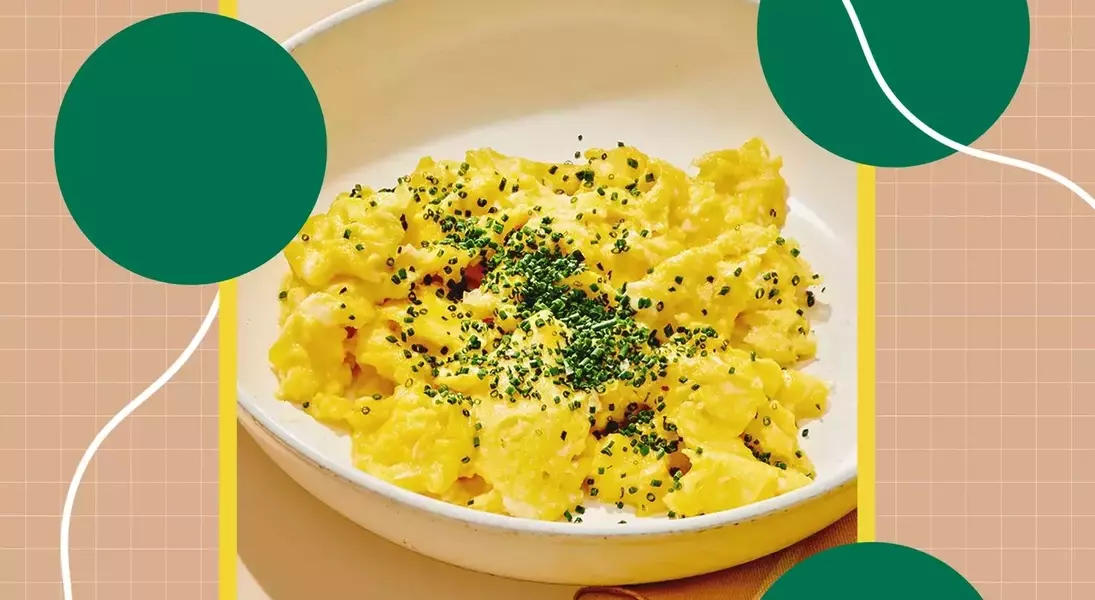
Making perfect scrambled eggs often feels like a culinary mystery, yet five distinguished chefs have demystified the process, sharing their insights into achieving exceptional results. Their collective wisdom emphasizes key elements such as the desired texture, the superior quality of certain eggs, precise cooking methods, and even the debated addition of liquids. By adhering to these expert recommendations, anyone can elevate their scrambled eggs from ordinary to extraordinary, consistently producing dishes that are both fluffy and rich in flavor.
Scrambled eggs, a dish many first learn to prepare, hold a special place in our memories. From childhood breakfasts with family to late-night diner meals, they evoke a sense of comfort and nostalgia. Beyond their role as an affordable and nutritious meal, perfectly cooked scrambled eggs connect us to cherished moments and fill us both literally and figuratively. This timeless dish continues to be a staple, offering versatility and a canvas for culinary creativity, making it much more than just a simple breakfast item.
The Quest for Optimal Texture and Egg Selection
Achieving the perfect texture in scrambled eggs is paramount for professional chefs. They consistently highlight the importance of a soft, velvety consistency with medium-sized curds, avoiding any rubbery or hard-cooked pieces. This ideal texture, often described as fluffy and pillow-like, contributes significantly to the overall enjoyment of the dish. Chefs emphasize that cooking eggs too quickly over high heat can result in an undesirable, bouncy texture, whereas a slower, more controlled approach yields a creamy, buttery, and savory flavor profile that is truly exquisite.
The quality of eggs used is another critical factor unanimously endorsed by these culinary experts. They strongly advocate for fresh, farm-sourced, or cage-free eggs, citing their superior flavor and nutritional benefits. Many chefs, like Anne Quatrano, exclusively use eggs from their own farms, underscoring the direct correlation between freshness and taste. The humane treatment of chickens, ensuring they are raised on open pastures without hormones or antibiotics, is also a significant consideration, contributing to both ethical food practices and higher quality eggs. The vibrant orange hue of yolks is often seen as an indicator of a well-sourced egg, though experts clarify that eggshell color does not impact nutritional value, being merely a result of the hen's breed.
Mastering Cooking Techniques and Liquid Additions
The journey to perfectly scrambled eggs begins even before the heat is applied. A crucial initial step, often overlooked, is the thorough mixing of egg yolks and whites. Inadequate mixing can lead to uneven cooking and distinct textures, an issue easily resolved by combining them completely with a fork, whisk, or even chopsticks, a method some chefs surprisingly prefer. Once mixed, the cooking process itself requires patience and precision: employing low heat, continuous stirring, and the right-sized nonstick pan are essential. Using a pan that is too large for a small quantity of eggs can cause them to cook too rapidly, preventing the development of a thick, creamy curd. For two to four eggs, an 8-inch pan is recommended to ensure a slower, more even cooking process.
When it comes to fat, butter is preferred over oil for its richness. Clarified butter or ghee are particularly favored for their lack of milk solids, making them a healthier choice and easier to digest for those with lactose sensitivities. If oil must be used, avocado oil is suggested for its neutral flavor and high smoke point. Throughout the cooking, gentle, continuous movement of the eggs with a spatula or wooden spoon, drawing them from the pan's edges towards the center, incorporates air and fosters that desirable pillowy texture. Seasoning with salt and freshly cracked pepper should occur during cooking to allow the flavors to meld, while additional enhancements like chives or chili crisp are best reserved for the final touch. Removing the eggs from heat just before they reach your preferred doneness is key, as residual heat will complete the cooking, preventing overcooked, tough eggs. Adding a touch of butter or crème fraîche at the very end can also halt the cooking process and boost creaminess.
