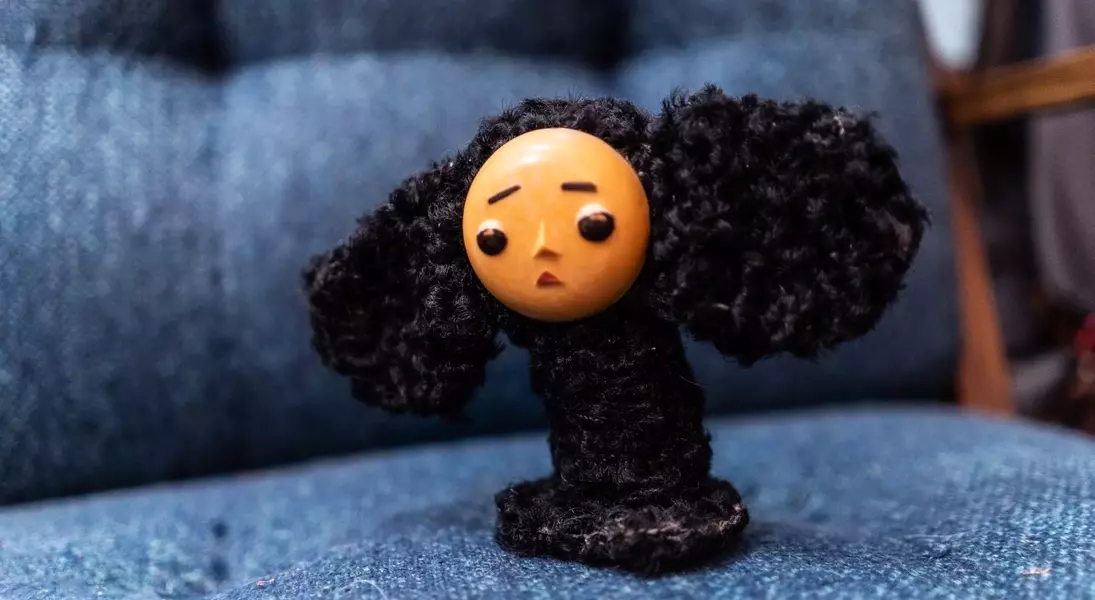
In an era dominated by sleek, digital interfaces and rapidly evolving technologies, there remains a profound appreciation for objects that carry the weight of history and the whispers of a bygone era. The fascination with the \"Soviet Labubu\" transcends mere collecting; it speaks to a deeper human desire for connection with the past, for narratives embedded in tangible items, and for the simple, enduring charm of the imperfect. This particular toy, with its melancholic expression and handmade quality, serves as a poignant reminder that beauty and value are not always found in polished perfection or modern design, but often in the quirky, the unique, and the resonant echoes of a different time.
This unique collectible, despite its unconventional appearance, captures hearts precisely because of its distinctive charm. Unlike its contemporary counterparts, which are often tied to fleeting trends and marketing strategies, the Soviet Labubu possesses a timeless appeal rooted in its historical and cultural significance. Its story, from its origins as a potential bootleg of a beloved cartoon character to its journey through vintage markets, adds layers of intrigue and personality. This narrative transforms it from a mere object into a cherished artifact, illustrating how emotional resonance and historical context can imbue an item with far greater worth than any manufactured scarcity.
The Enigmatic Origins of a Beloved Toy
The story of the \"Soviet Labubu\" begins not in a factory producing trendy collectibles, but rather in the rich cultural tapestry of the Soviet Union. This unique item is not a traditional Labubu, the popular modern toy known for its distinctive appearance and the gamified chase involved in acquiring it. Instead, it is a vintage piece, acquired from a Ukrainian memorabilia vendor, and is believed to be an unofficial rendition of Cheburashka, a beloved character from Soviet-era children's animation. Cheburashka, a creature with an endearing, often sad, demeanor, found its way into popular culture through a series of cartoons and books, depicting the adventures of a bear-monkey mutant child cared for by a crocodile-man. The wistful expression and somewhat crude craftsmanship of this particular toy lend it an authentic, melancholic charm, a direct reflection of the character's personality and the often lo-fi production quality of bootleg items from that period.
The journey of this distinct toy from its speculative beginnings in the early 1970s to its present-day appreciation highlights a fascinating intersection of cultural history and personal sentiment. It embodies a blend of nostalgia and an attraction to the unconventional, distinguishing it significantly from the mass-produced, brand-driven toys of today. The allure of collecting such items often lies in their embedded narratives and the tangible link they provide to a specific time and place. This \"Soviet Labubu,\" with its unique character and uncertain lineage, serves as more than just a plaything; it is a piece of history, a memento of a different era, cherished for its imperfections and the stories it implicitly tells. This deeply personal connection to objects from the past, especially those with a hint of mystery and a distinctive aesthetic, resonates strongly with collectors who value authenticity over manufactured hype.
Beyond Modern Collectibles: A Testament to Timeless Appeal
In stark contrast to the modern toy market, characterized by elaborate marketing schemes and the manufactured scarcity of \"blind boxes\" designed to fuel frenzied consumerism, the \"Soviet Labubu\" offers a refreshing perspective on value and desirability. Contemporary toys like the widely sought-after Labubu, produced by companies such as Pop Mart, often rely on gamified purchasing experiences, where consumers invest in sealed boxes without knowing which specific variant they will receive. This strategy, while successful in generating hype and demand, often prioritizes the thrill of the chase over the inherent quality or unique character of the toy itself. The \"Soviet Labubu,\" by contrast, carries an intrinsic worth derived from its age, its cultural context, and its tangible imperfections, which imbue it with a soulfulness often lacking in contemporary mass-produced items.
The enduring appeal of the \"Soviet Labubu\" underscores a broader appreciation for vintage artifacts and cultural relics that transcend fleeting trends. It represents a form of \"cultural nostalgia,\" not merely for the sake of the past, but for the inherent qualities found in items crafted during different eras. The toy's slightly eerie, yet undeniably charming, presence is a testament to its singular nature, a quality that cannot be replicated by modern manufacturing techniques. This extends beyond toys to various antique and vintage items, such as the resin-encased wind-up clock also cherished by the owner. Such objects evoke a sense of wonder and connection, hinting at untold stories and previous lives. The allure is not solely about their age but also about the unique aesthetic, the quality of craftsmanship, and the historical authenticity they represent, fostering a deep and meaningful connection that modern consumer goods often struggle to achieve.
